
Home/Commercial/Capabilities/Custom colour matching
Commercial leather color matching
Mixed to the shade it is now.
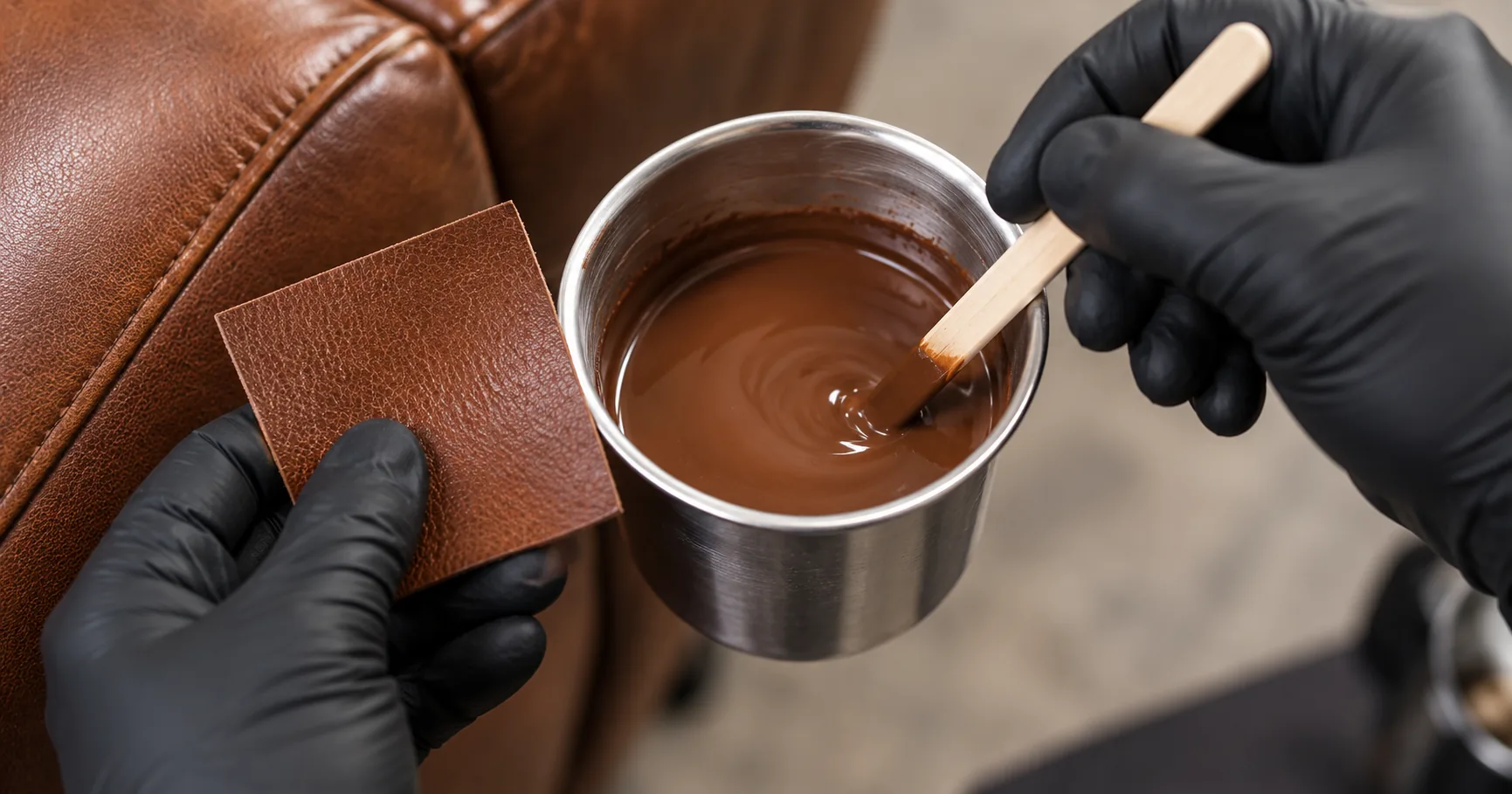
Pigment is mixed to the piece as it stands today, not to the shade it was made in, and proved on the furniture before any of it is committed. For restaurants, hotels, offices and property teams across New York City, Long Island and New Jersey.
In short
Colour is mixed to the furniture, never ordered from a name.
Commercial leather color matching is the colouring step inside a restoration. The target is the shade the piece is now, after years of light, cleaning and use.
- WhereIn your space, on the furniture, wherever it can stay put. See on-site repairs.
- What must agreeTone, sheen and grain, against the neighbouring panel.
- When it's approvedFrom a cured test on the piece itself. Never a wet mix, a swatch card or a photo.
- What it is notChoosing the hide, vinyl or fabric. That is material matching, settled first.
The target
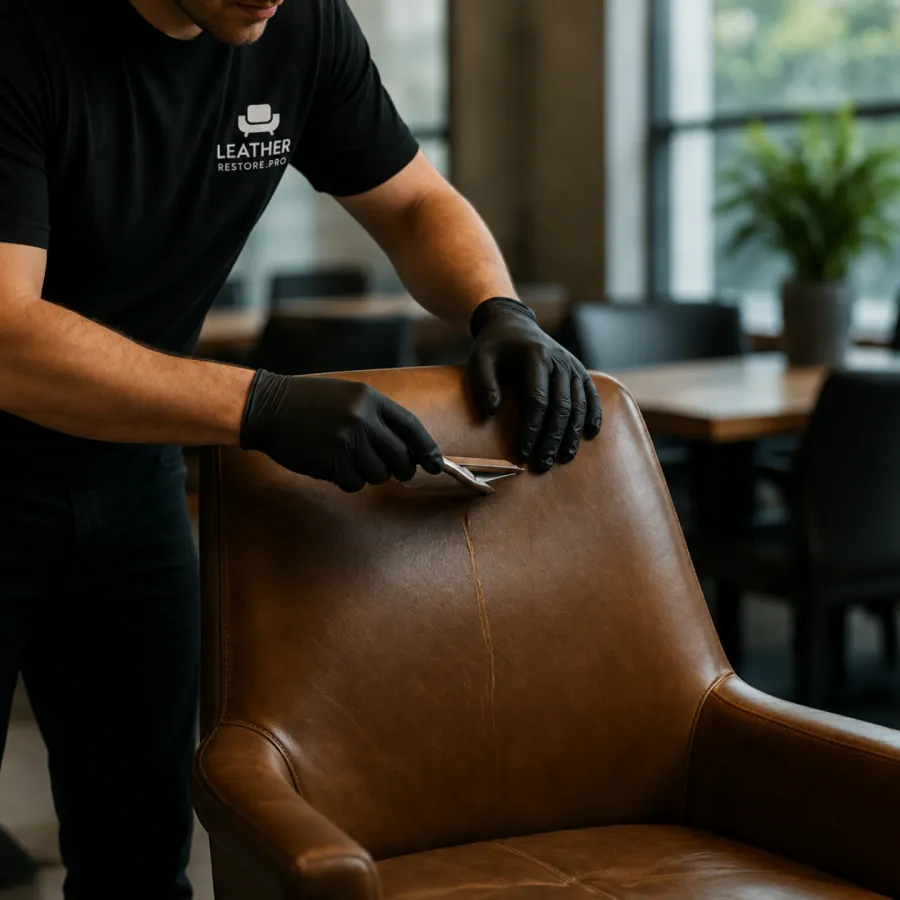
You match the panel beside it, not the leather.
Three references get offered on almost every job. Working from any of them is the most common reason a repair stays visible.
 Not the target
The original factory colour
The furniture stopped being that colour years ago. Beside a faded seat, it becomes the brightest thing in the room.
- Not the target
A shade name on the spec sheet
A name is an order code. It describes a hide before it was cut, sat on and cleaned.
- Not the target
A photograph
Every camera and screen shifts colour, and no photo carries sheen, which the eye catches first.
- The target
The panel beside the repair, in its own room
One arm against the other arm, one bay against the next. For a whole piece, the rest of the run as it is today.


Three agreements
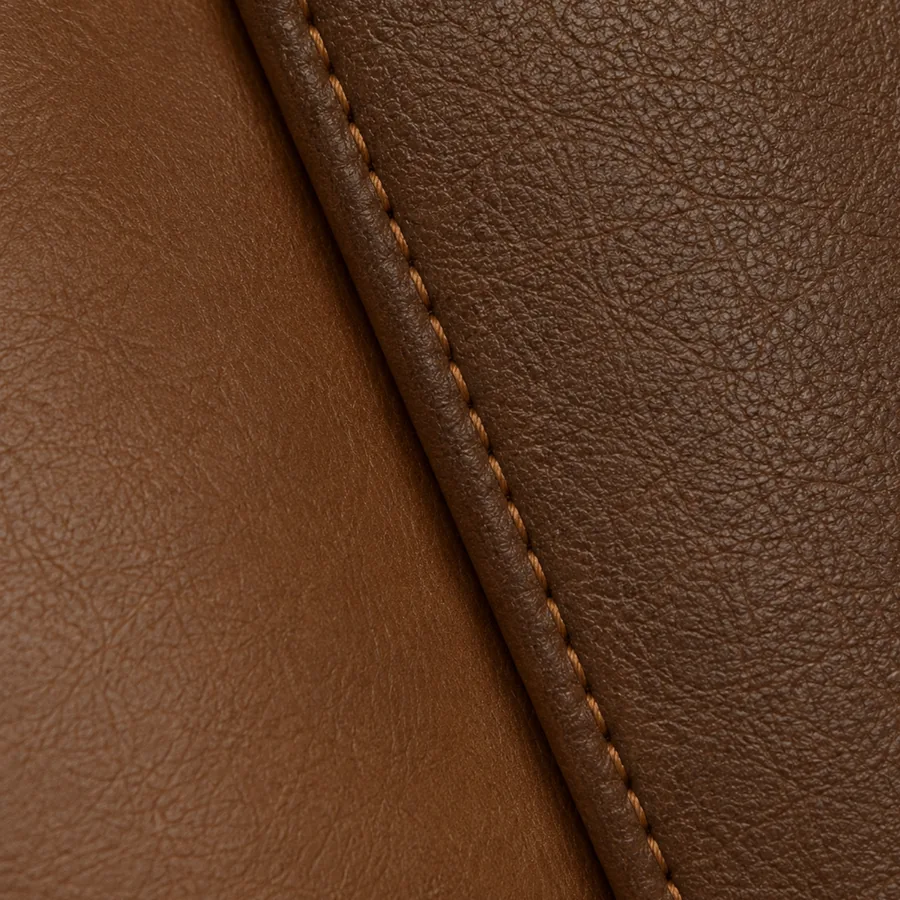
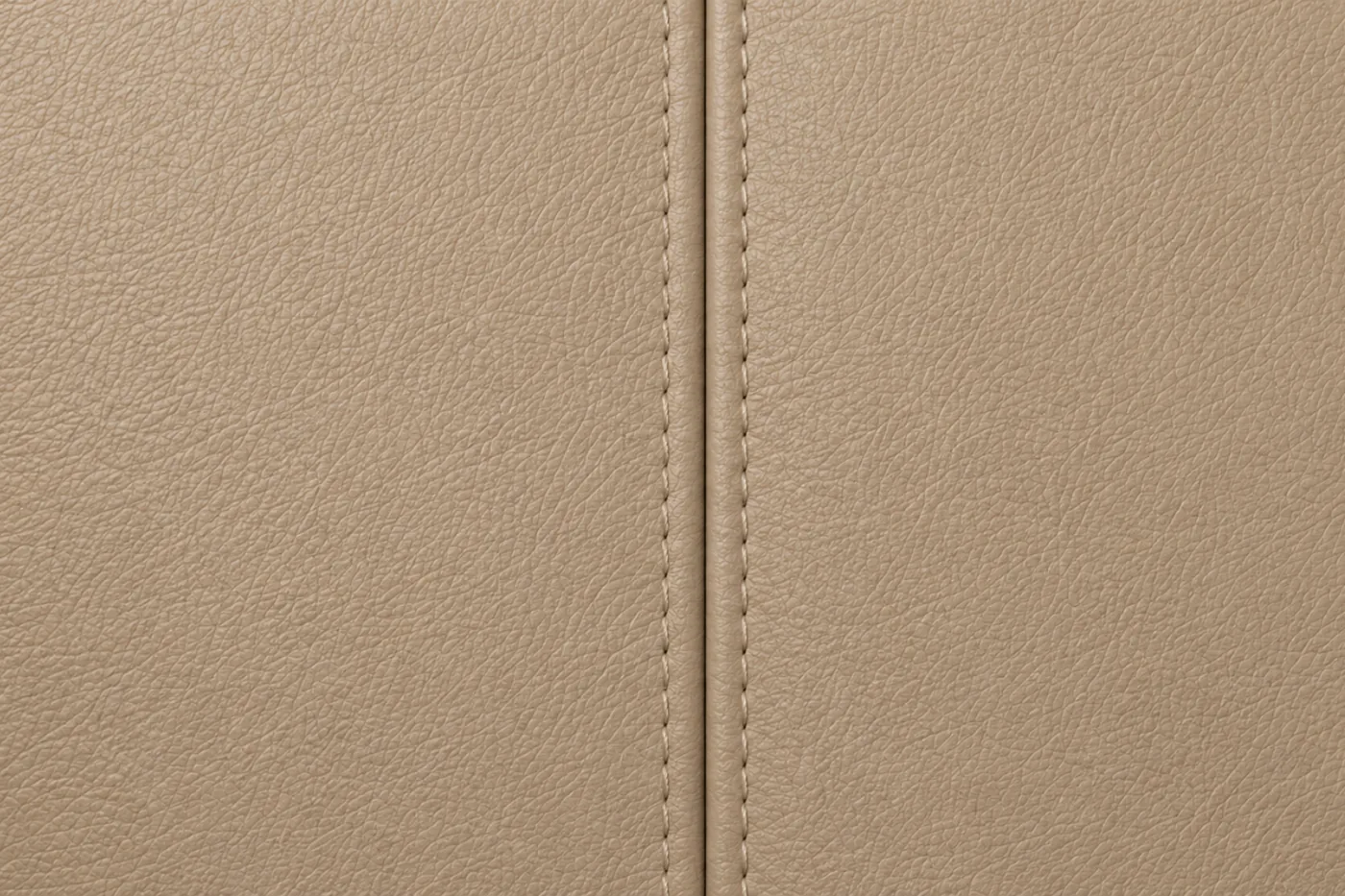
Commercial leather color matching is three agreements, not one.
Hue is the part everyone thinks about, and the part that fails last. When a repair still shows, it is almost always one of the other two.
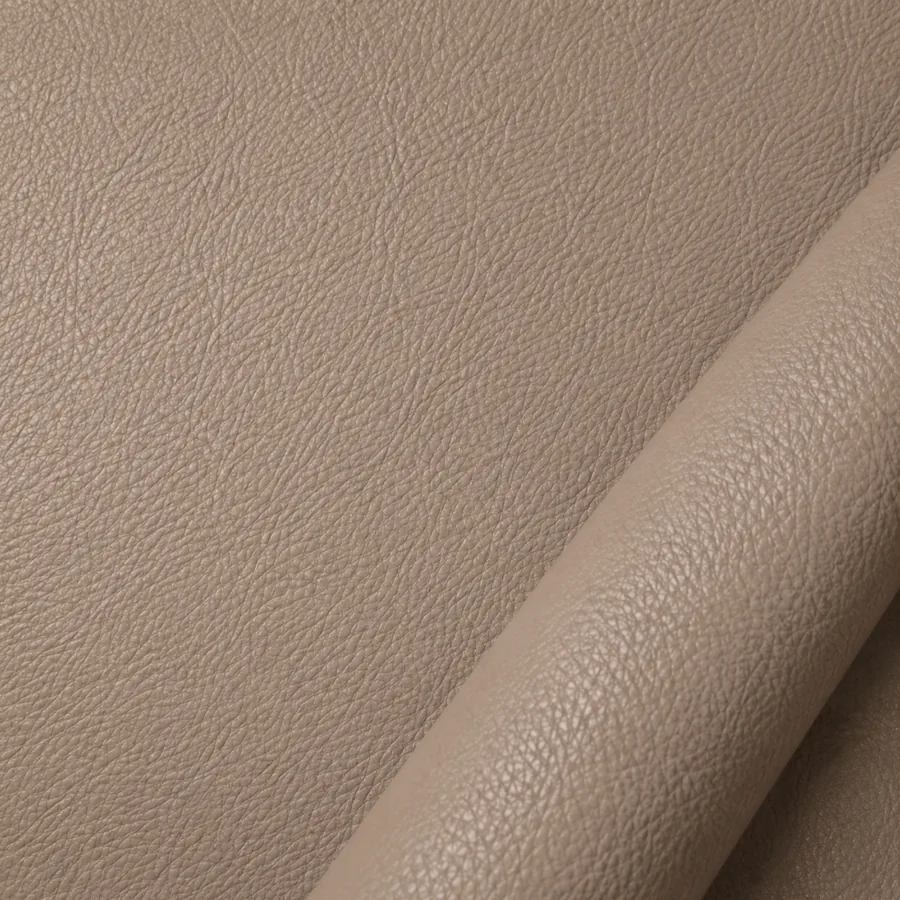 01
01Tone
How warm or cool, how light or deep. Corrected until it disappears close up and from across the room.
The tellRight at midday, pink or grey under the evening lamps.
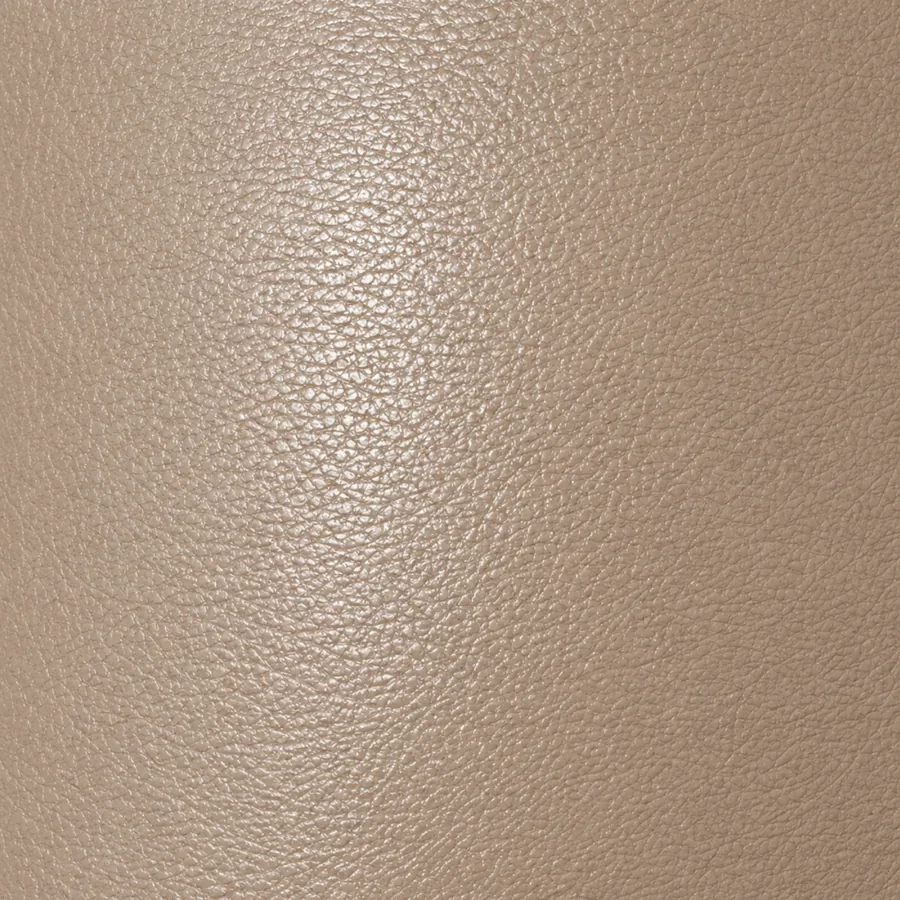 02
02Sheen
How much light the surface throws back. The eye reads reflection before colour, so sheen is matched in the topcoat.
The tellA bright shape as you walk past that vanishes when you stop.
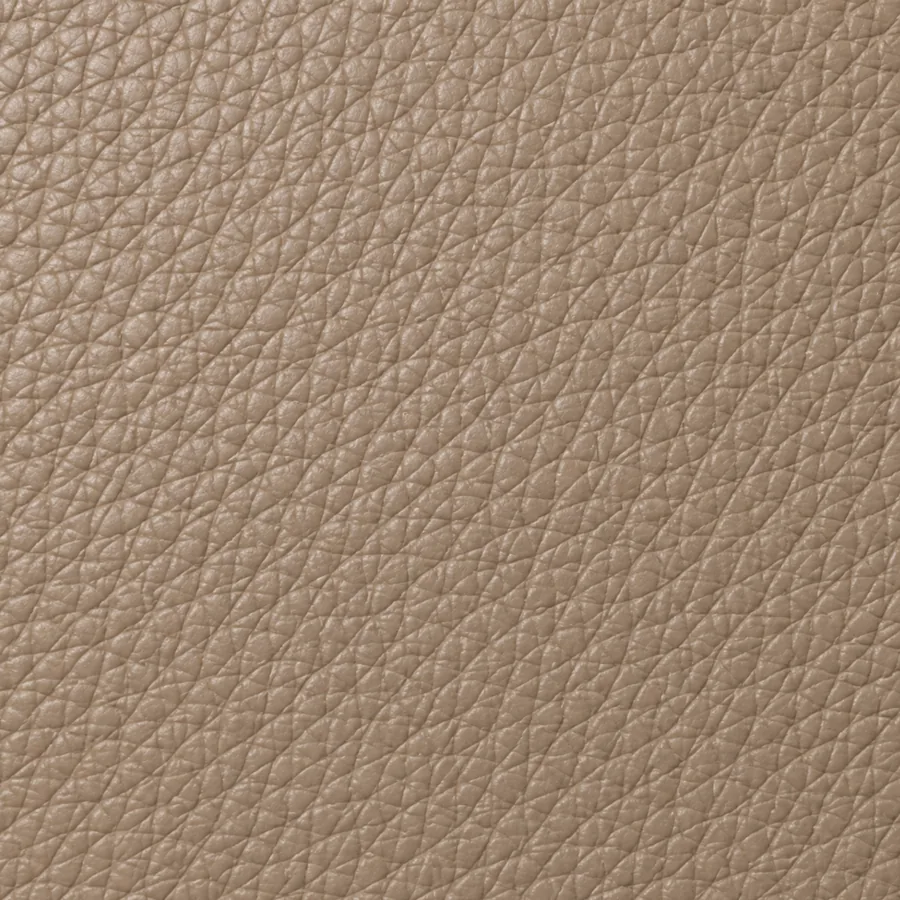 03
03Texture
How much grain shows through. Colour laid on too heavily fills it and leaves a flat, painted panel.
The tellNobody can fault the colour, but it feels like plastic.
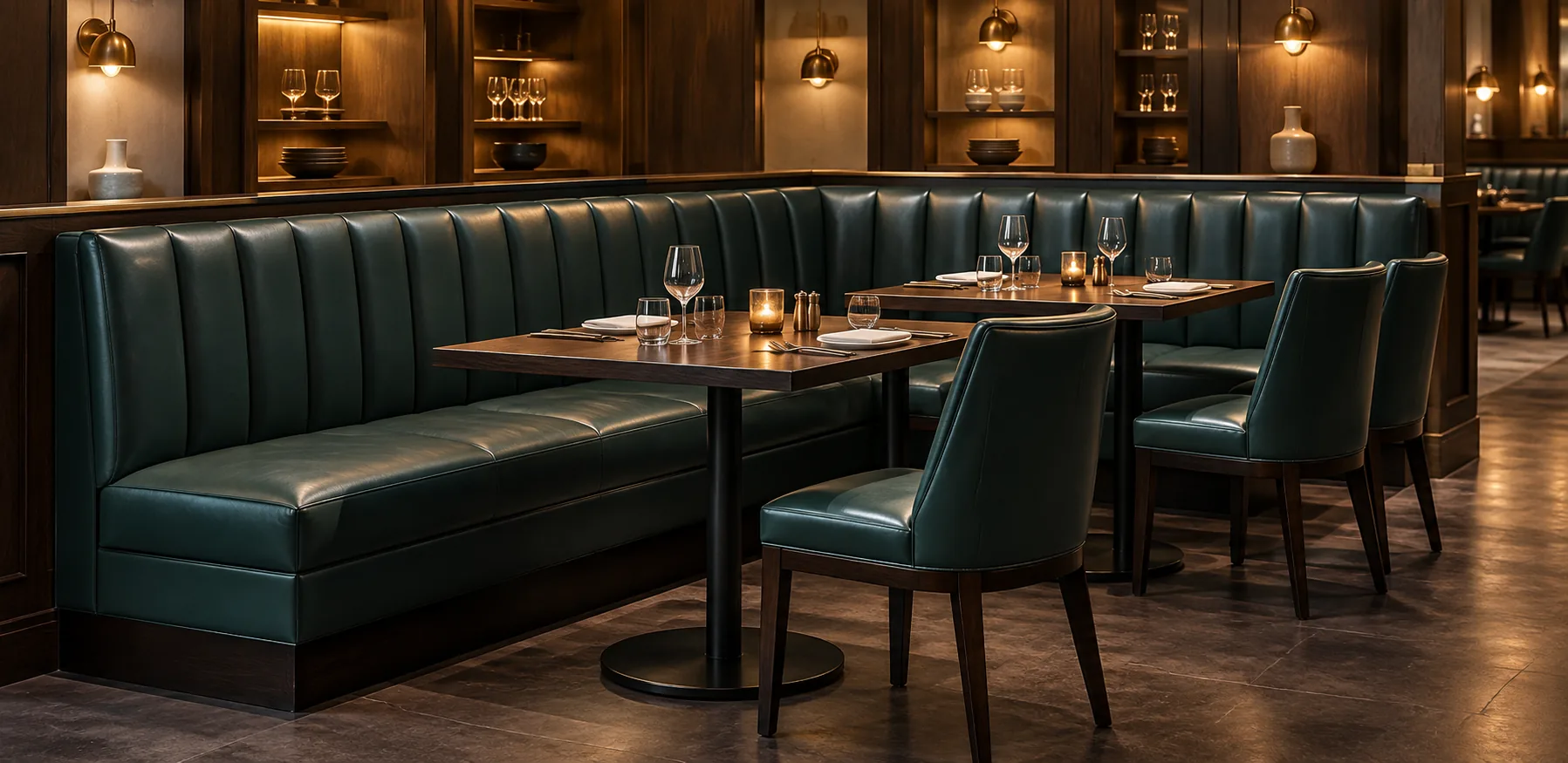
The light
A match under one light can fail under another.
Different pigments answer differently to different light. A mix that looks exact on the bench can read wrong at dinner service, so commercial leather color matching happens in the room, at the hour that matters.
- Restaurants, bars and clubsLow, warm, after darkRead under service lighting, dimmed to the level it runs at when guests are in.
- Hotel lobbies, offices, loungesDaylight, then LEDRead twice: once against the window, once under the house lights.
- Event spaces and private roomsWhatever the booking calls forRead at the room's neutral setting, then at the extremes it gets pushed to.
Where a piece has to leave for bench work, the final read still happens back in the room. Collection and return run under pickup and delivery.
The proof
Nothing is committed until it is proved on the piece.
Every mix is a prediction until it has cured on the same hide it will end up on, and you see the result before you approve anything.
- 01
A hidden area
The back of a banquette or under a seat deck, on the same hide as the finished work.
- 02
Tests side by side
Several candidate mixes, not one hopeful attempt. Side by side, the differences are obvious.
- 03
The cure
A wet mix is darker and glossier than the finish it becomes, so nothing is judged wet.
- 04
The read
The cured tests are held against the neighbouring panel in the room's light. The one that disappears is the mix.
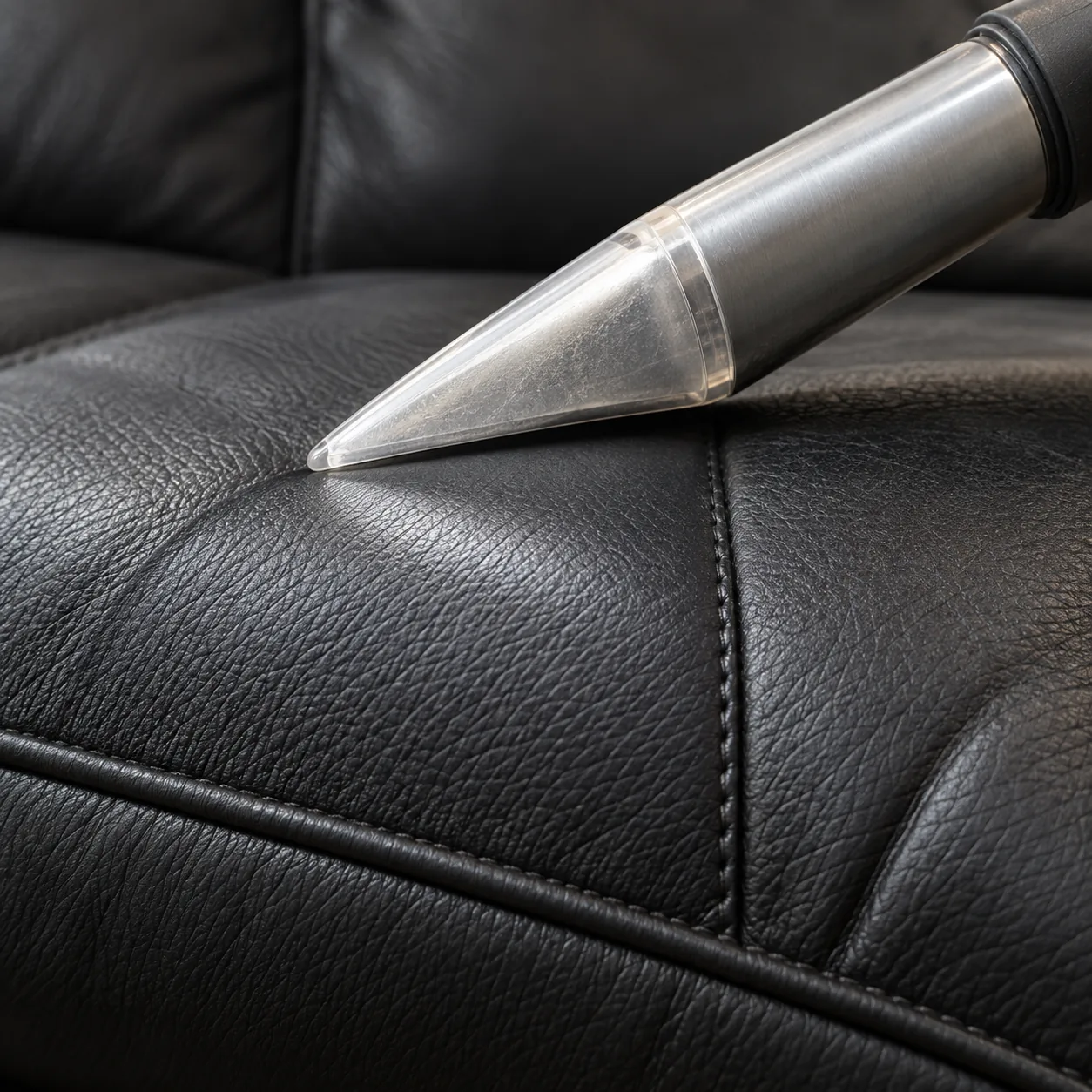 01
01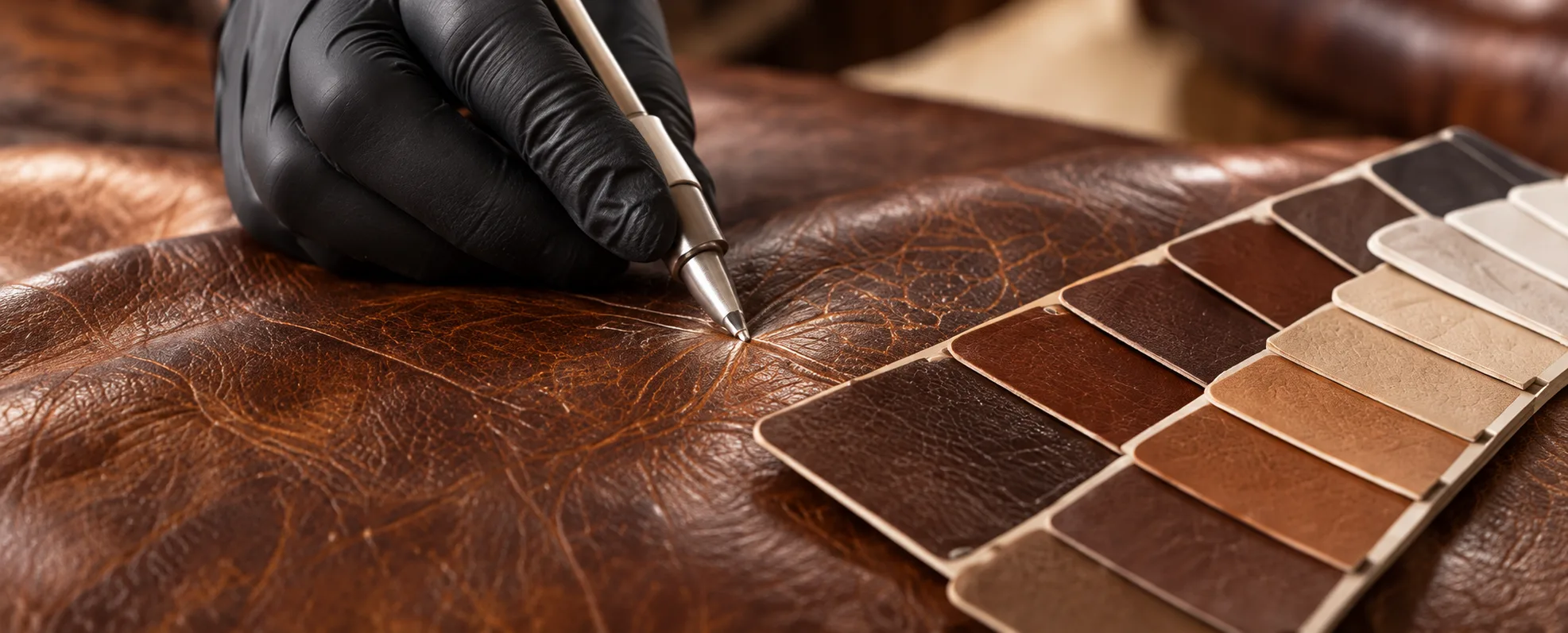 02
02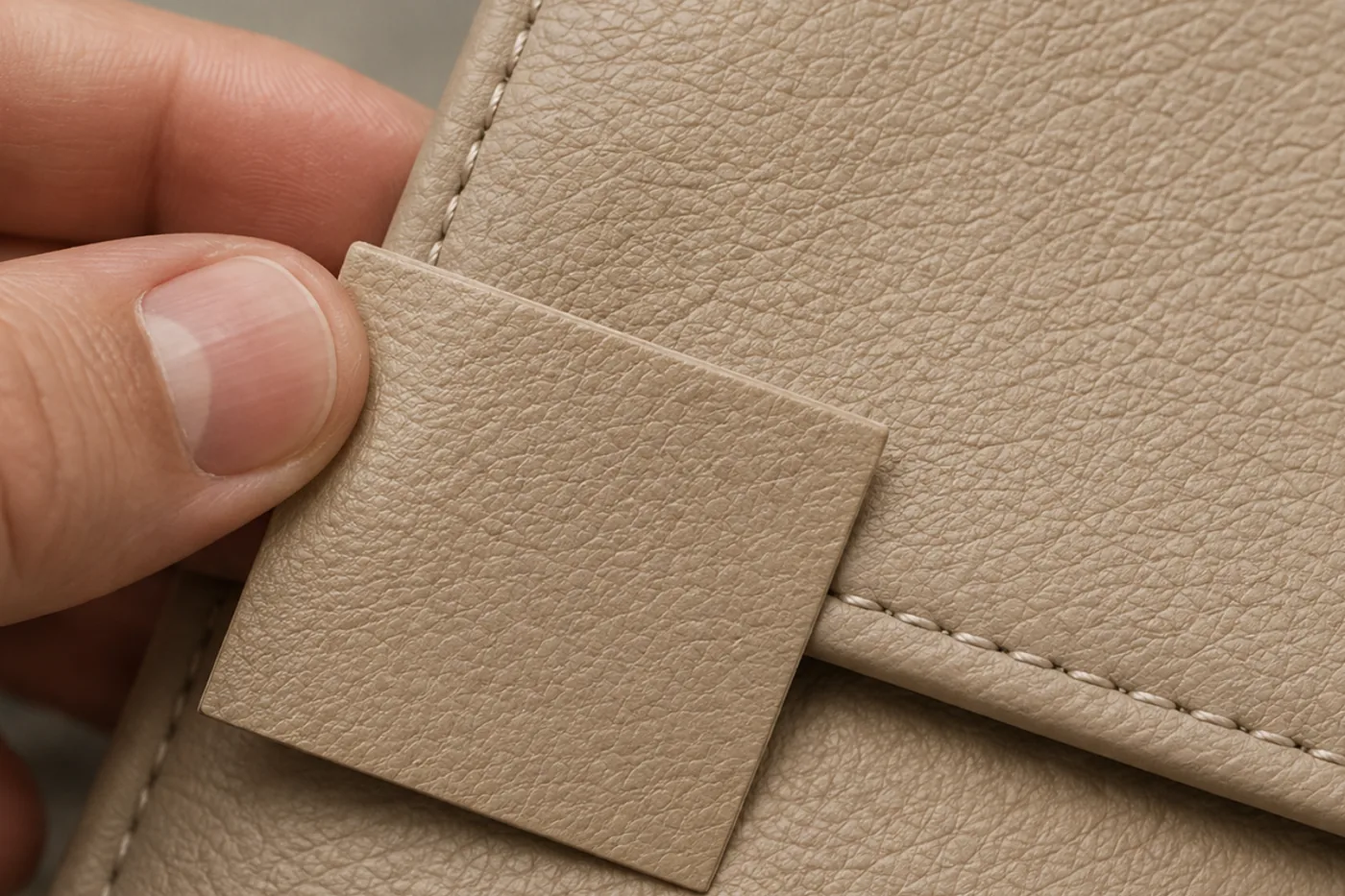 03
03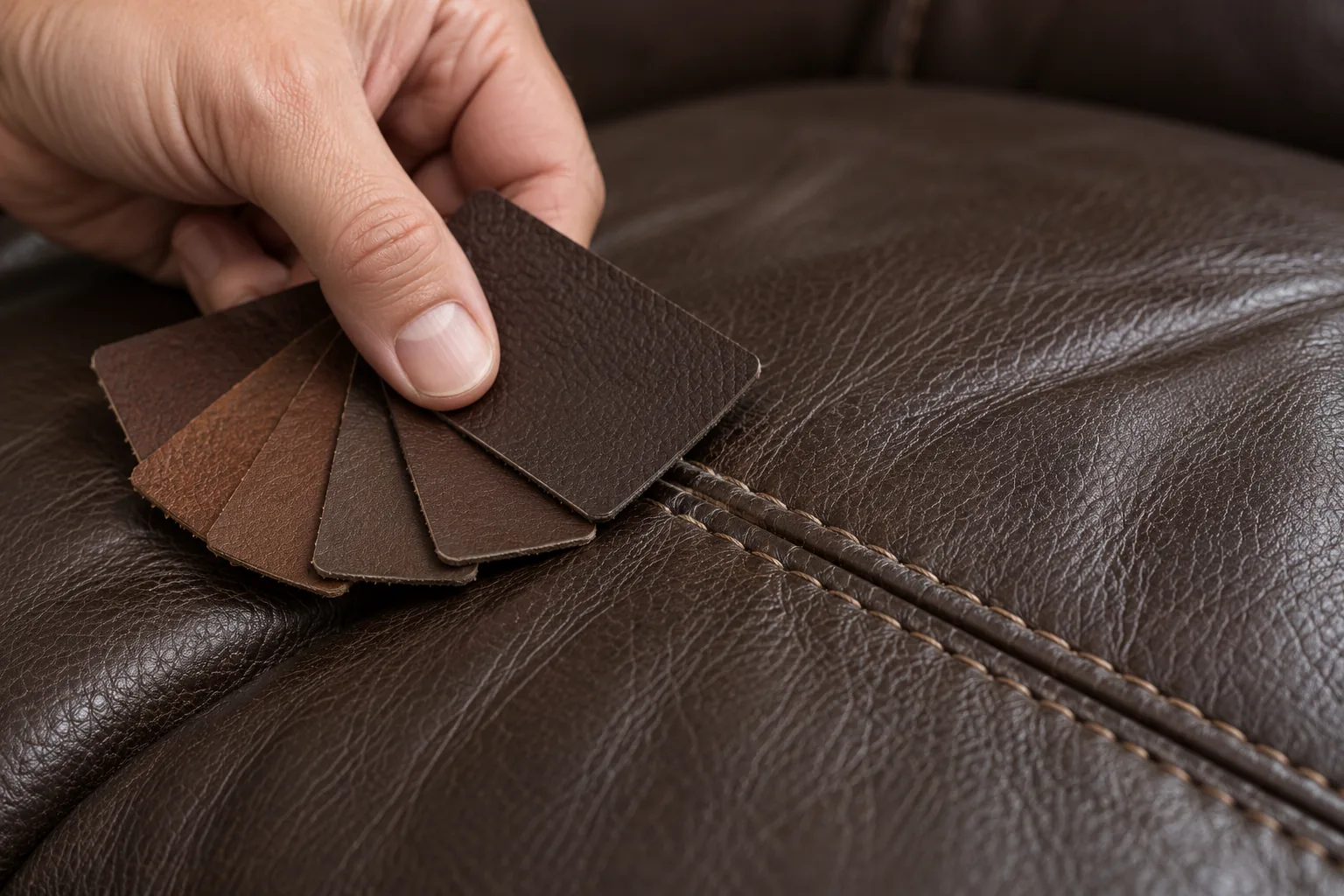 04
04The approved mix is written to the file with the piece, so a later phase starts from a known formula. How that fits the wider job is on project process.
Order of work
Colour goes on last. Everything under it comes first.
Colour is a finish, not a repair. It will not hold on a surface that is still moving, and it will follow any fault it covers.
- 01
Frame and structure
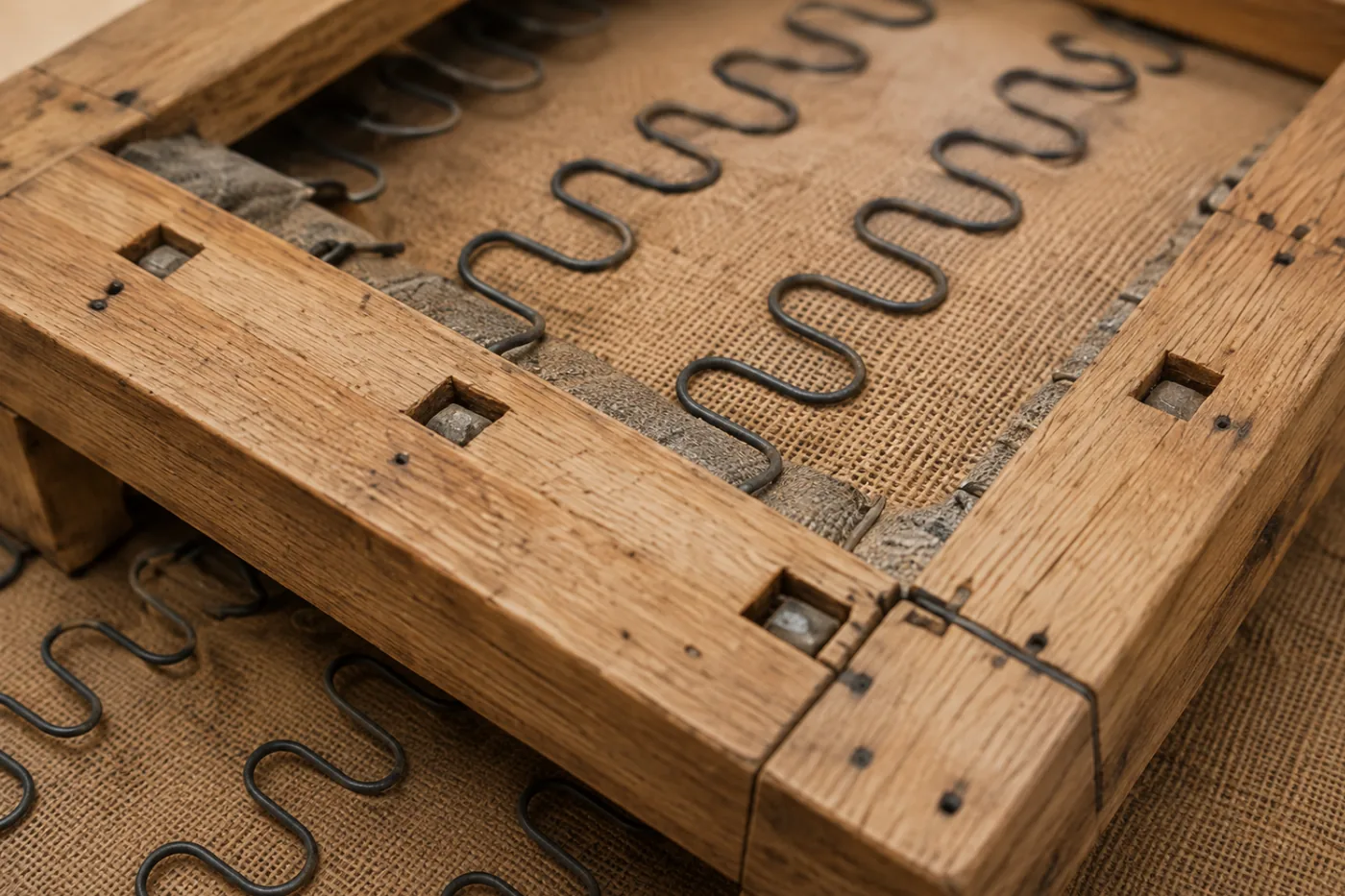
A seat that still racks cracks the new finish. Fixed first under leather repair.
- 02
Material
Tears repaired or the panel recovered, with the hide chosen before colour.
- 03
Preparation
Old finish cleaned back and filled areas levelled, so the colour holds.
- 04
Colour
Thin coats, worked out to a seam or panel edge so no boundary shows.
- 05
Seal and cure
A topcoat matched in sheen, cured before the piece goes back into service.
 01
01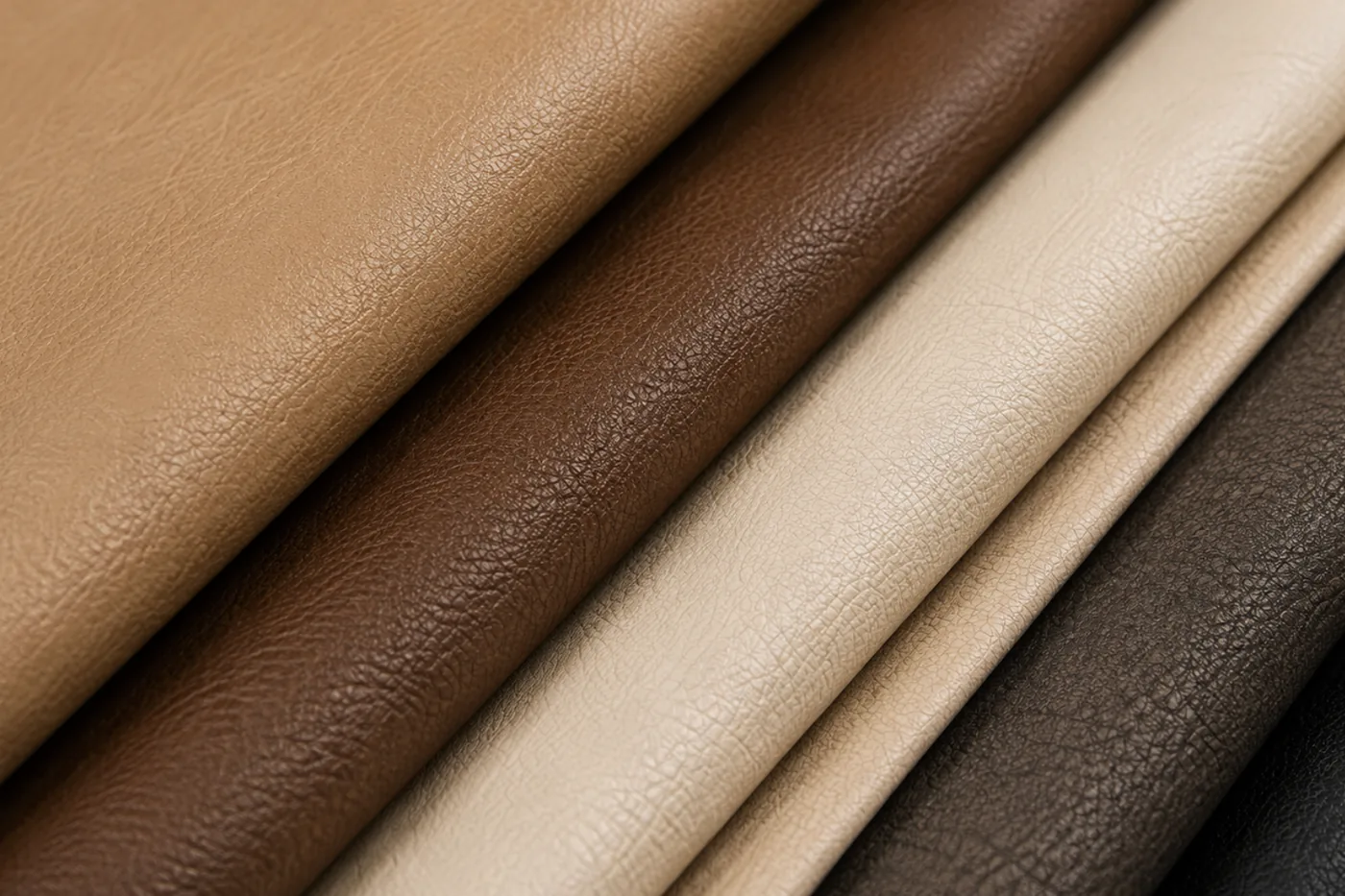 02
02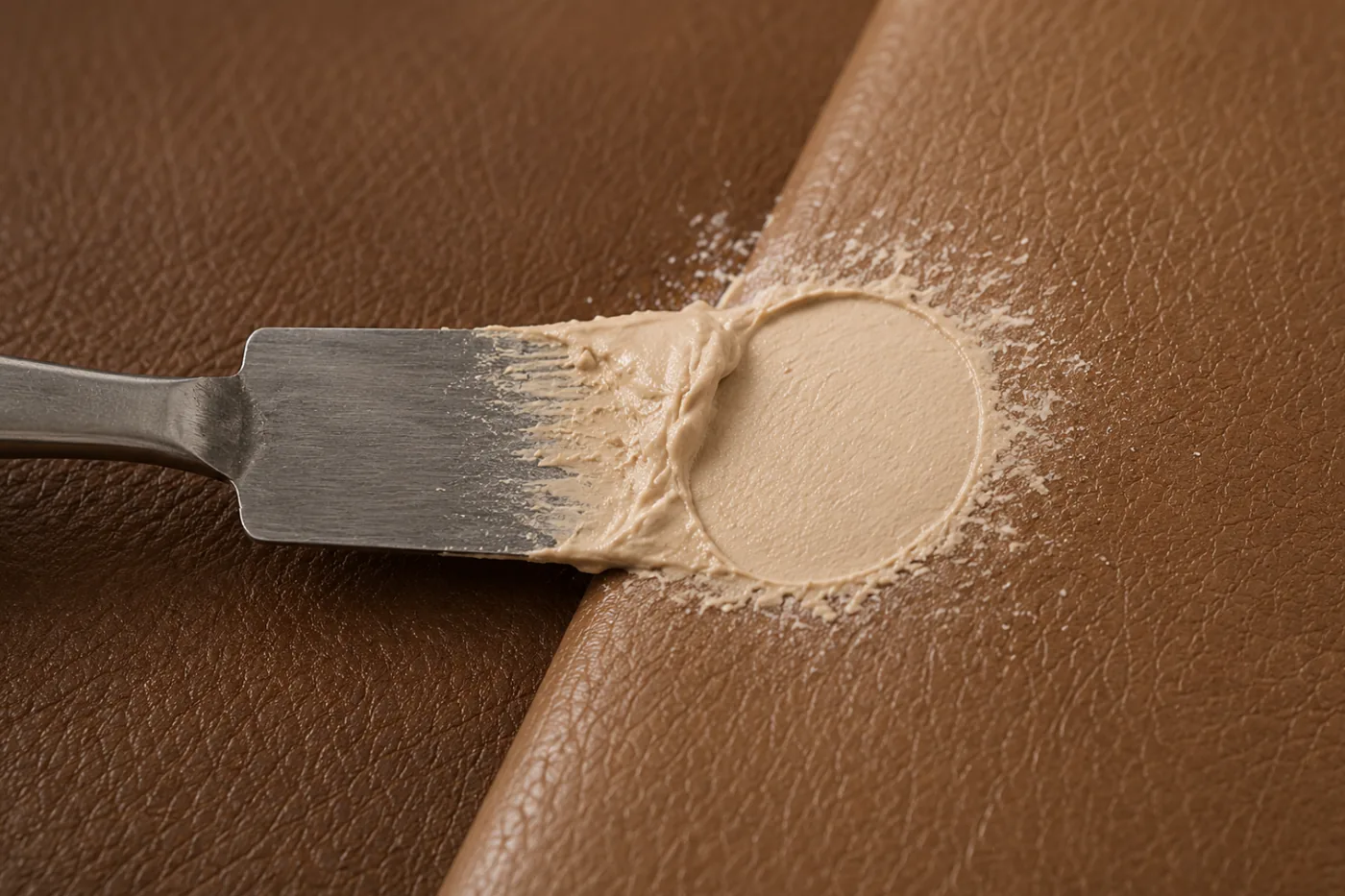 03
03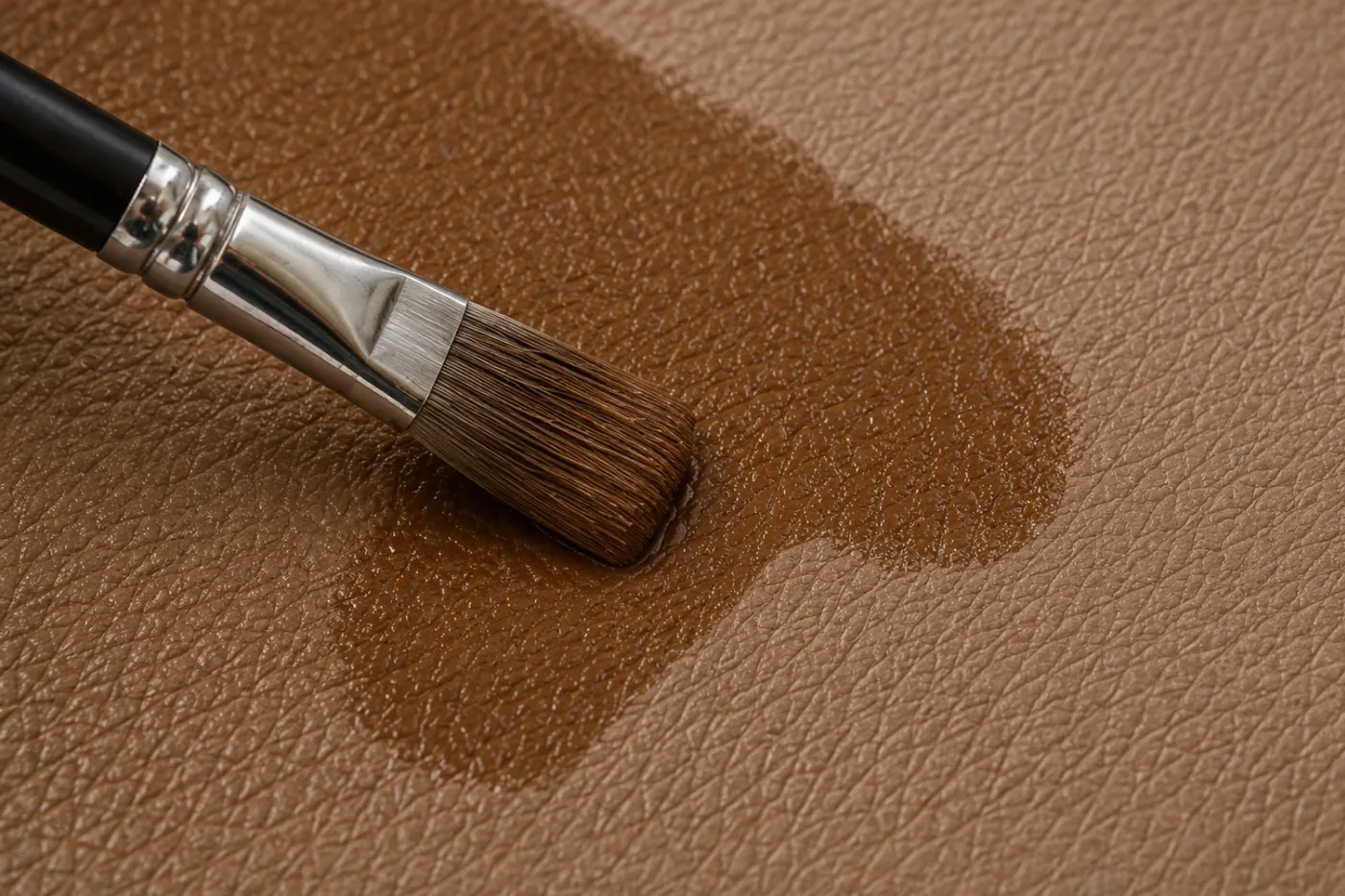 04
04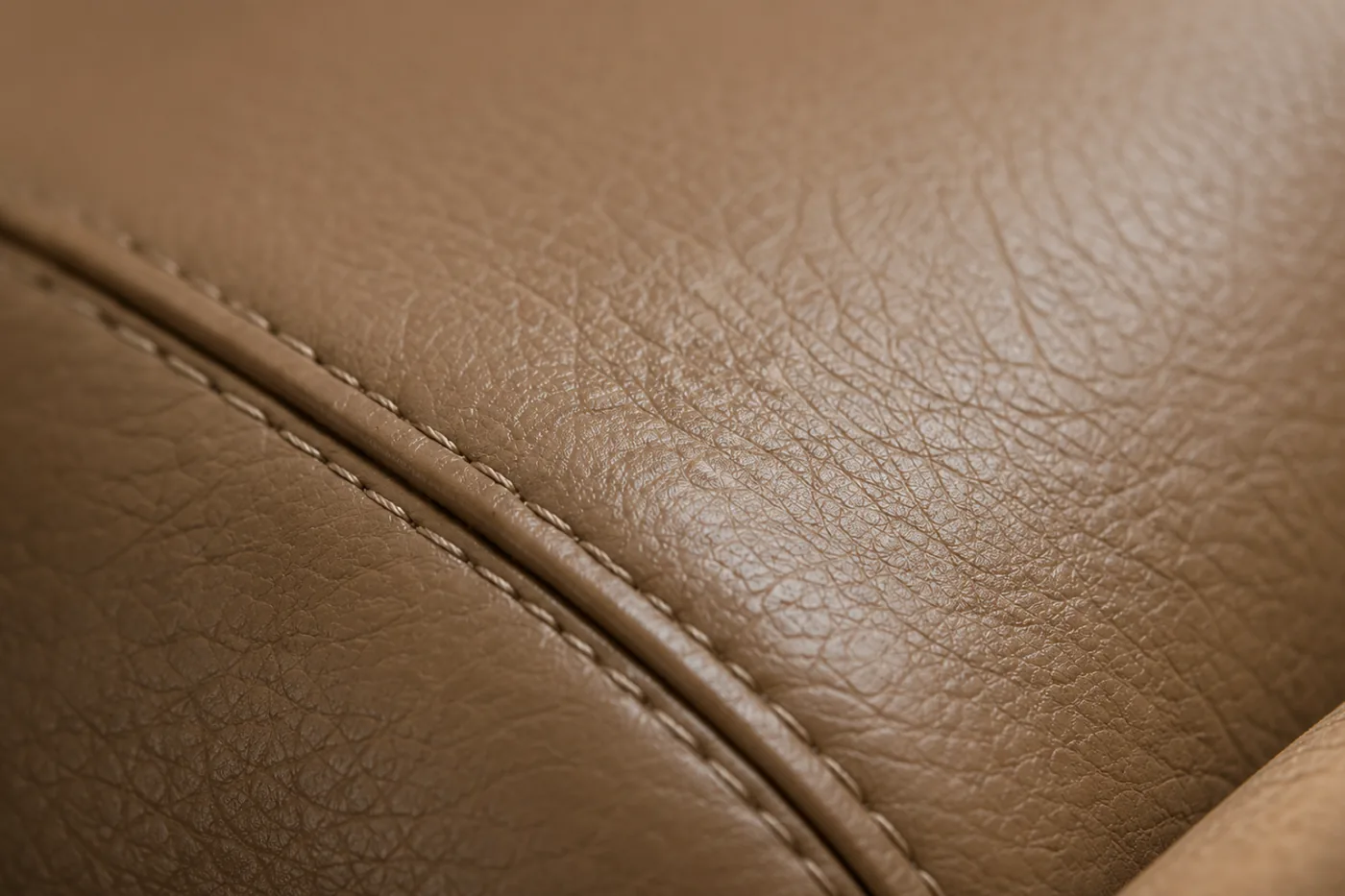 05
05If the surface is peeling in sheets, as bonded and faux leather do, colour is not the answer, and you are told before anyone pays for it.
How far
How far the colour goes is decided before we start.
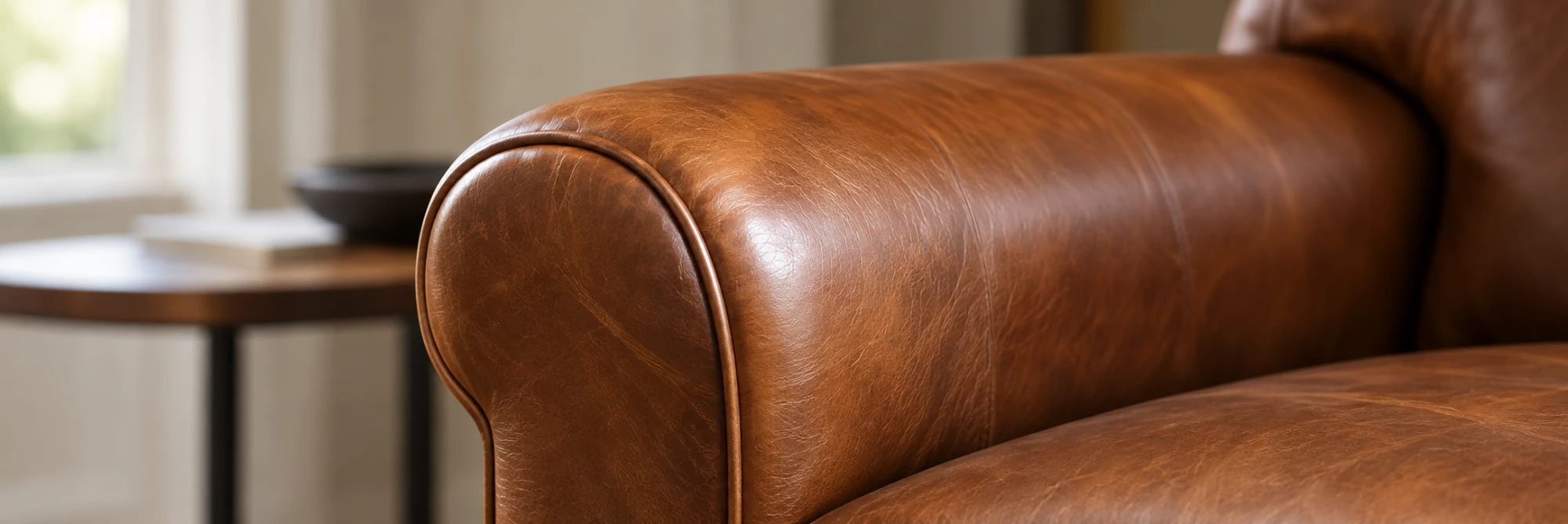
Commercial leather color matching can stop at four points, with the same bench work behind each. Where it stops decides whether the job reads as a repair or as a room.
- 01 · Blend
One repair, feathered out
Worked out to the nearest natural break and stopped. When: the damage is local and the colour around it is still even.
- 02 · Element
One panel, arm or bay
Edge to edge on that element, with the seams carrying the join. When: no break is close enough to hide a blend.
- 03 · Piece
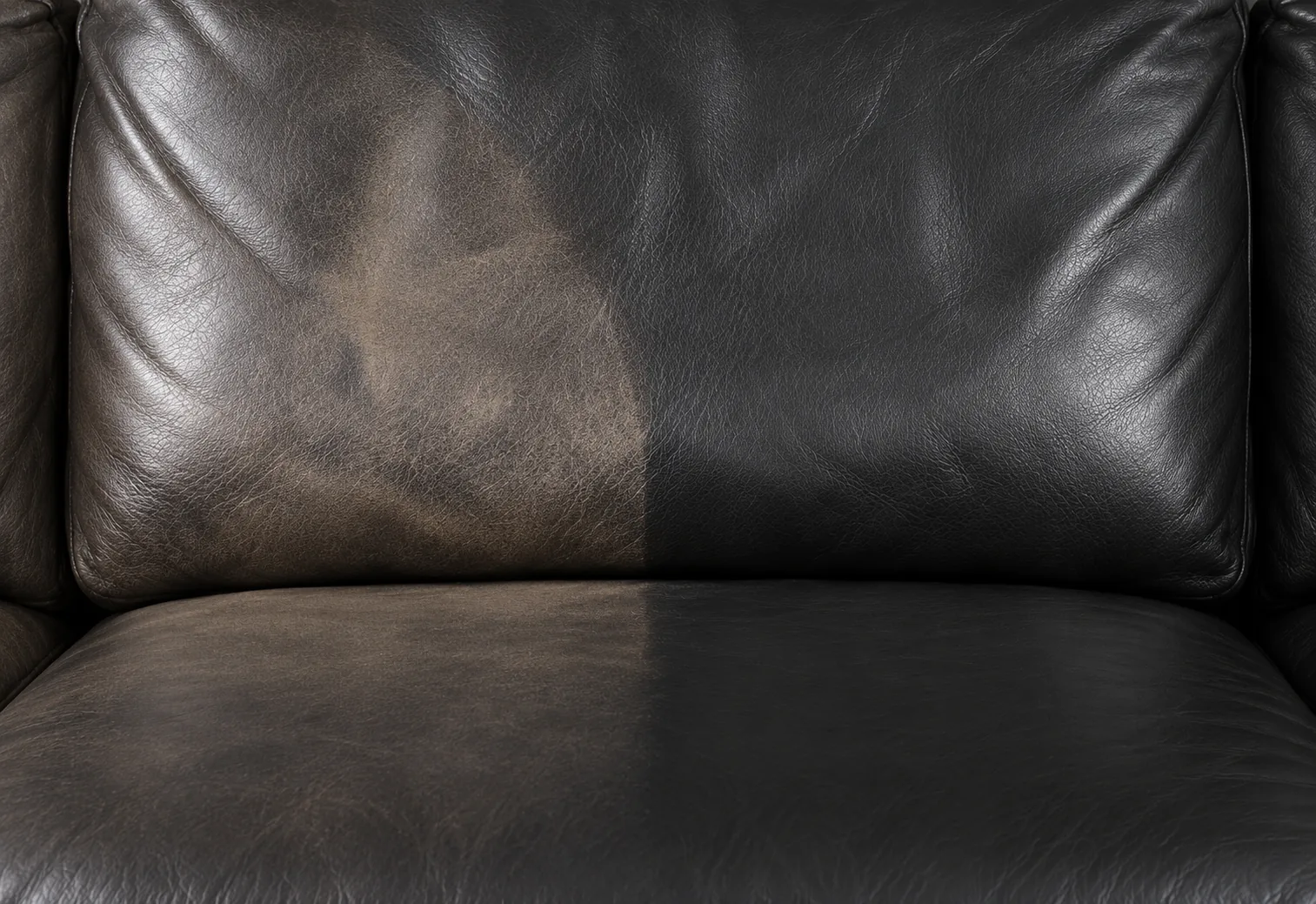
The whole sofa or chair
Every surface to one shade. When: the piece has faded unevenly, window side against shaded side.
- 04 · Run
Every booth in the row
The whole run to one shade, at once or in phases under bulk projects. When: the room has to read as a set.
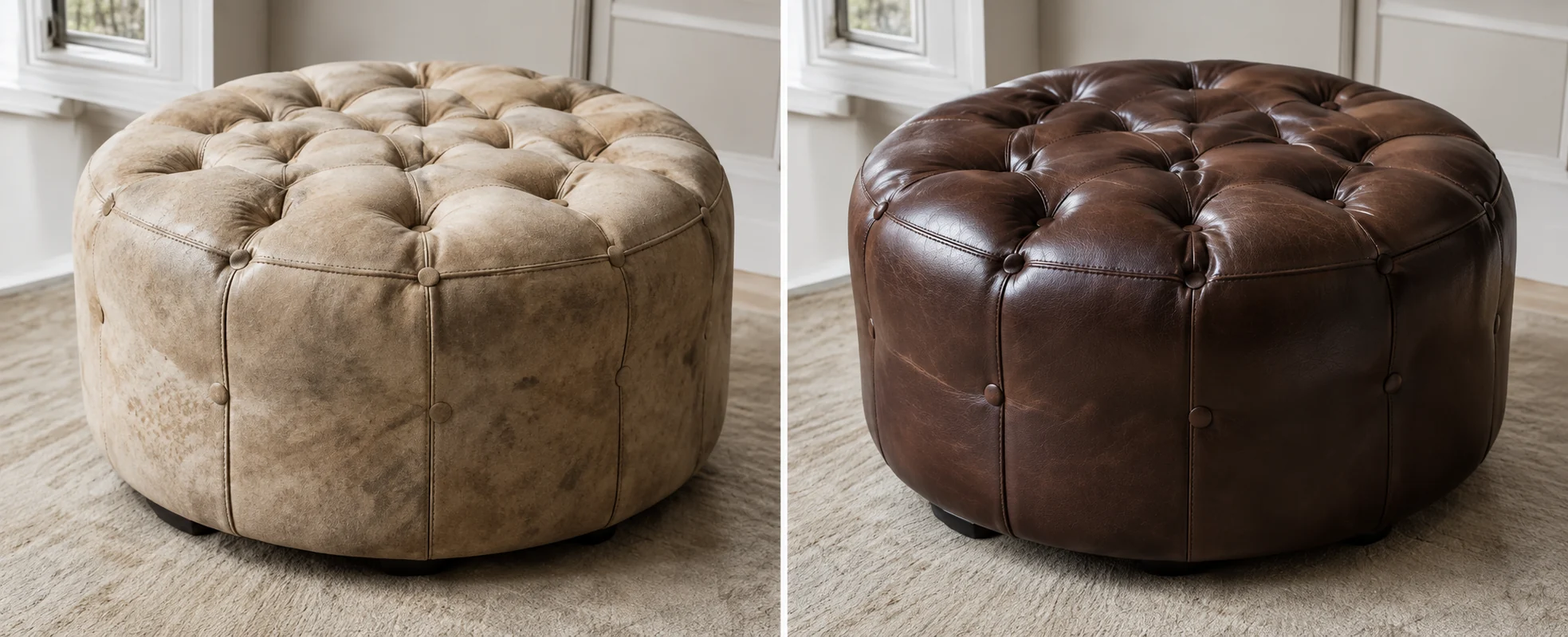
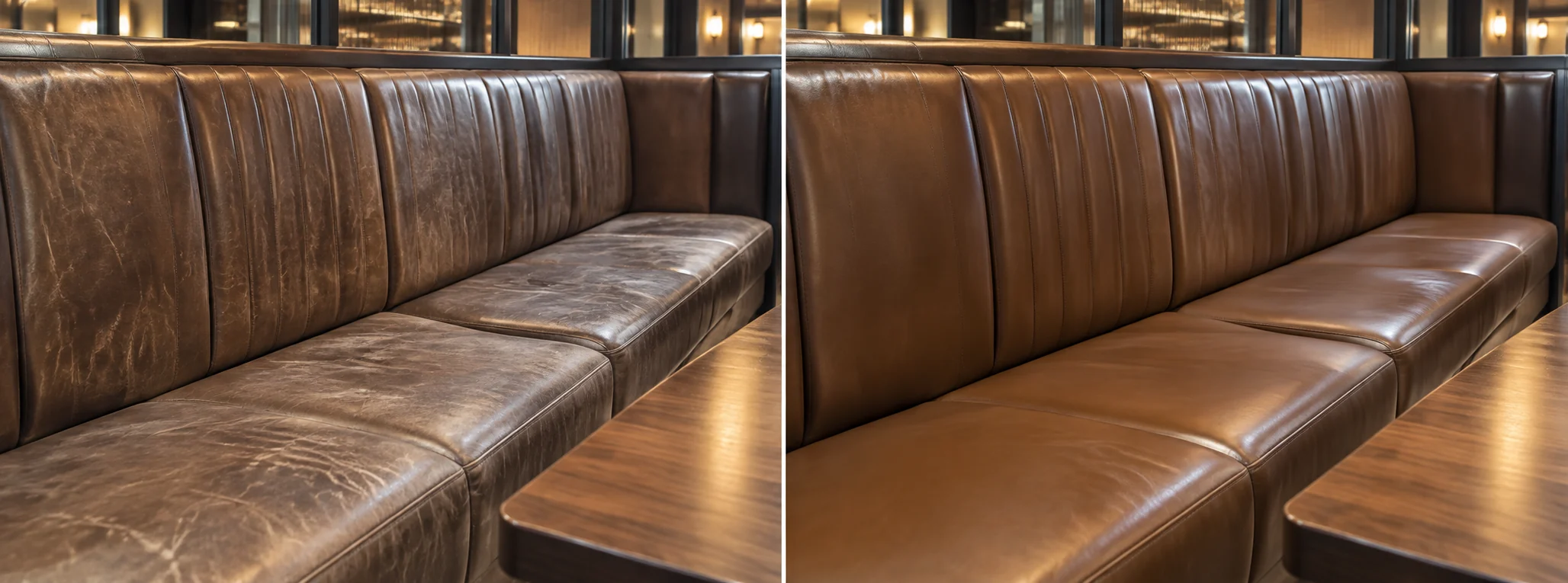
A colour change is the same work with a chosen shade instead of a matched one. It has to run to a real boundary, so it usually means the whole piece or run, and going much lighter has real limits. Formulas carry forward under maintenance.
Questions
Colour, answered.
What is commercial leather color matching?
The step inside a restoration where colour is mixed to the piece itself, to the shade it is now rather than the shade it was made in. The mix is tested on a hidden area, left to cure, and read against the neighbouring panel in the room's own light. Tone, sheen and grain all have to agree before it goes on.
Can you match a faded or sun-bleached section?
Yes, and it is the normal case. Fading is why the factory colour is the wrong target. Where a piece has faded unevenly, matching one area can make the rest look worse, so the honest answer is often one shade for the whole piece, agreed with you first.
Is the colour mixed on site or in a workshop?
On site, in the room, whenever the piece can stay. Two surfaces can agree under one light and separate under another. Where a piece has to leave, a reference from the room goes with it and the final read happens back in the space.
Can you change the colour instead of matching it?
Yes. The shade is chosen rather than matched, and proved on the piece the same way. A change has to run to a natural boundary, so it usually covers the whole piece or run. Going much lighter has limits, and we say so before anyone pays.
Which materials can take commercial leather color matching?
Pigmented and semi-aniline leather take colour best, which covers most commercial seating. Aniline can be matched but loses some of its character. Suede and nubuck are dyed separately, vinyl takes its own coating, and peeling bonded or faux material cannot be fixed with colour.
Start on the piece
Show us the panel. We read the colour in one visit.
Tell us what the furniture is covered in, how many pieces are affected and how the room is lit. Commercial leather color matching starts from a test on your own furniture, not a swatch card or a shade name. Damage that cannot wait goes through emergency repairs.