

The shape is a decision
Nobody Sits on a Headboard
A chair has to go back at the height it arrived at, because someone sits in it. A headboard carries nobody. Two numbers are fixed — the width it has to cover and the height of the cleat it hangs on. Everything above that line is a choice, and choosing differently costs the same as choosing the same thing again. That is what separates headboard reupholstery from every other piece in the house.
What is fixed
Two numbers, and then you are free
Both of these boards sit in a bedroom the same size, over a mattress the same width, on a cleat at the same height. Nothing else about them agrees. That gap is the whole reason this page exists.
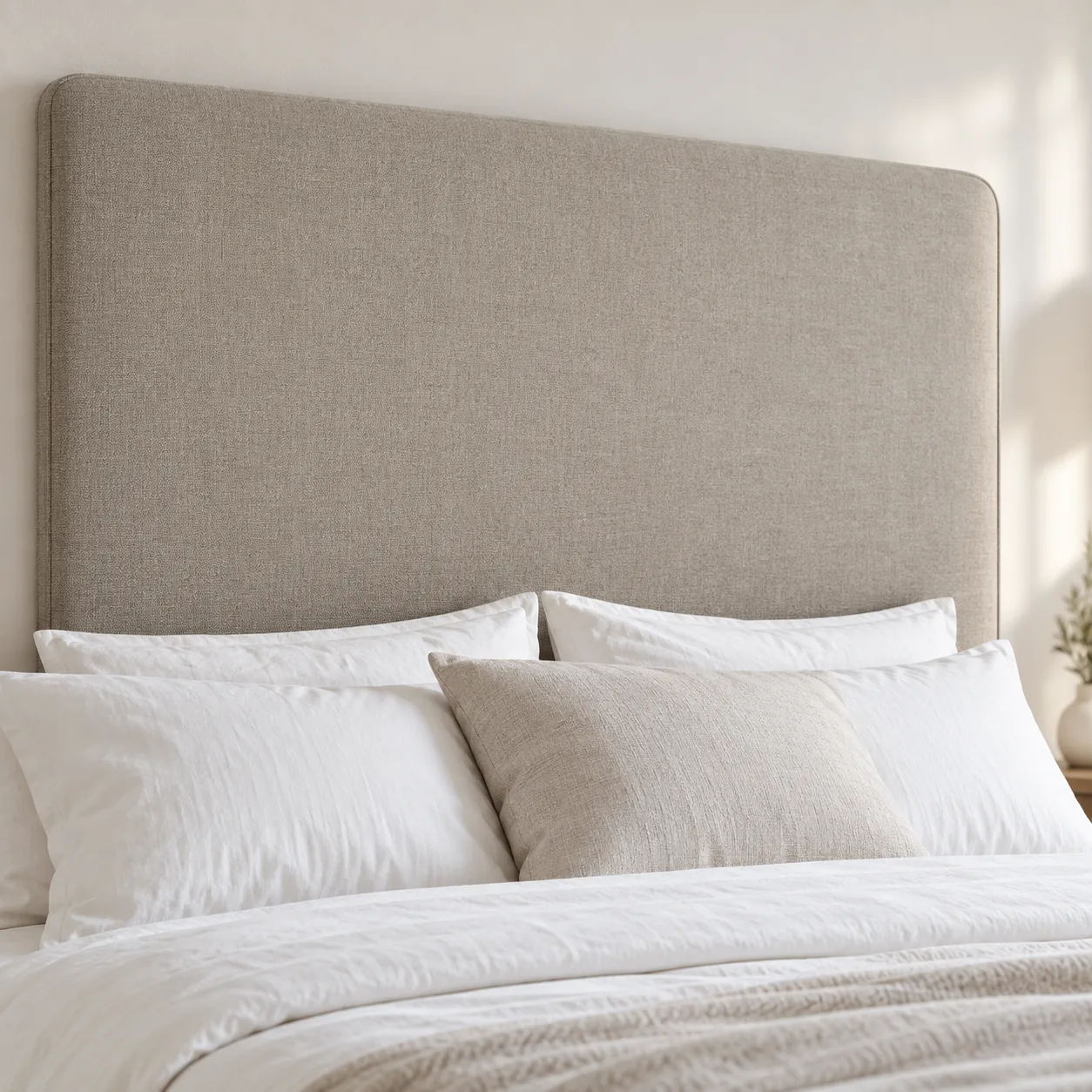
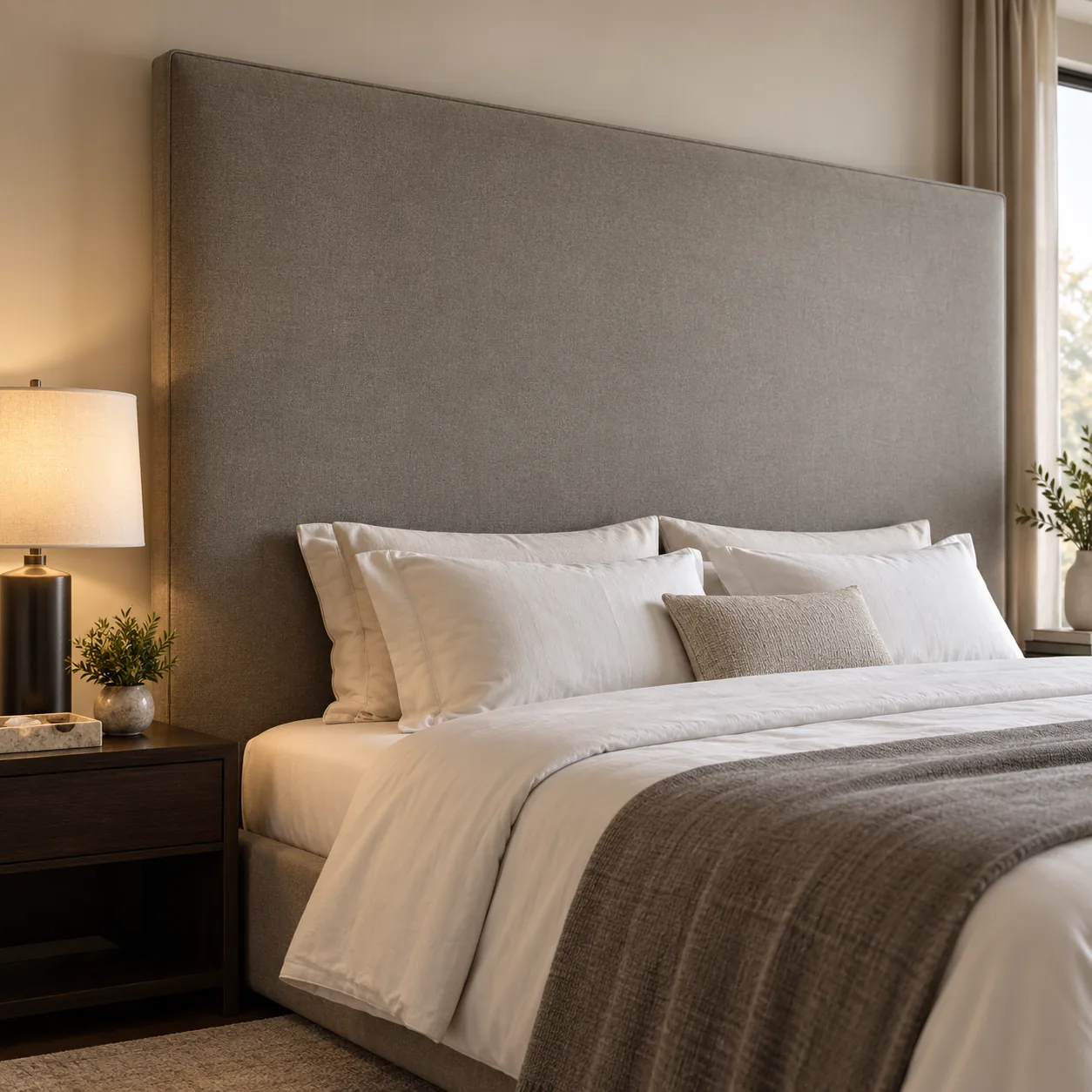
Left, a rounded slab that stops at the mattress. Right, the same idea run wide enough to pass both nightstands. Same mount, same bed, different decision.
Fixed before you start
- Mattress width. Twin, full, queen, king or a custom frame. The board has to cover it or deliberately overrun it.
- The mount. A French cleat screwed to studs, bolts through the bed frame, or legs that slide behind the base. Whichever it is now sets the cheapest option.
Free to change
- Height. Low behind the pillows, or up past the picture rail.
- Silhouette. Arched, scalloped, winged, asymmetric, square.
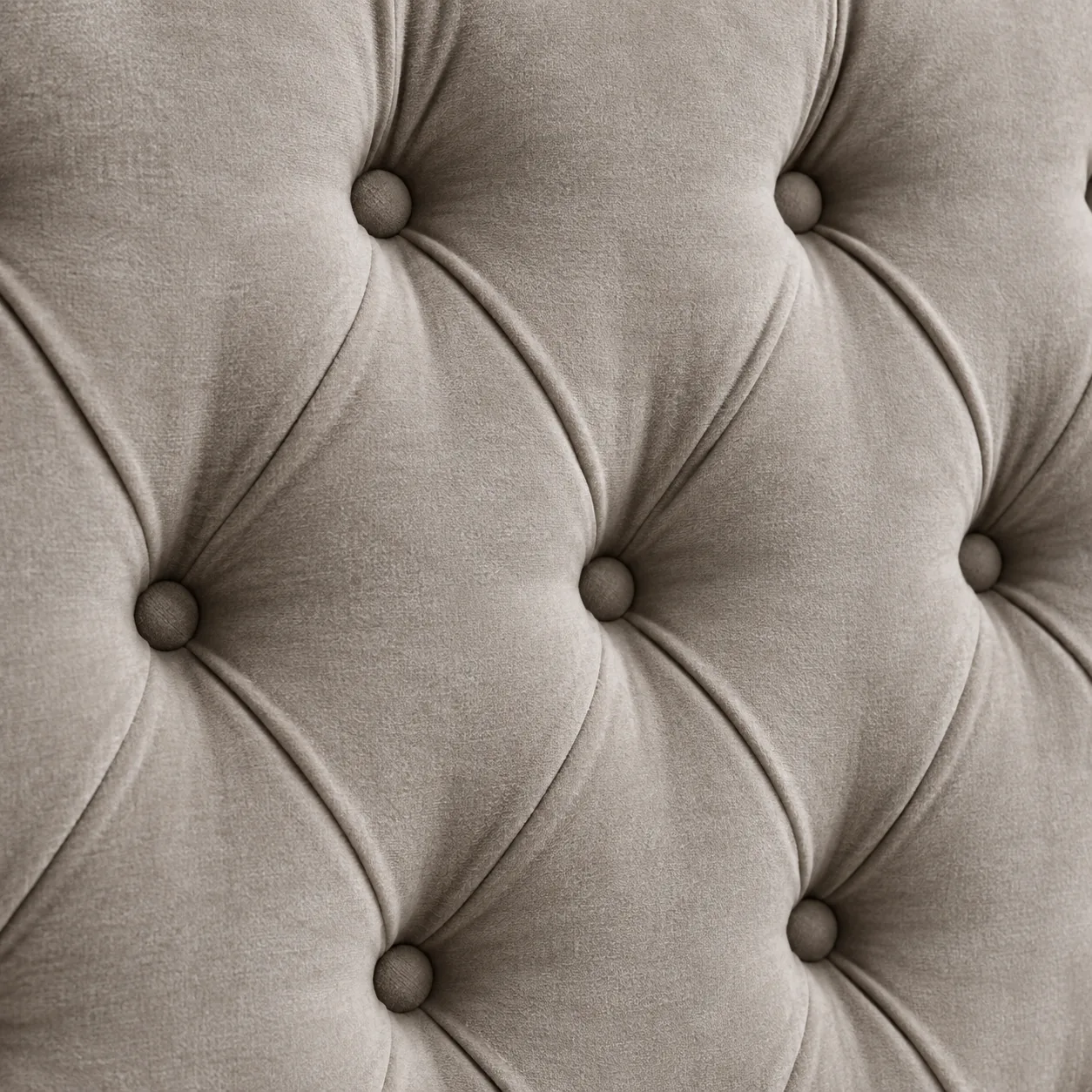
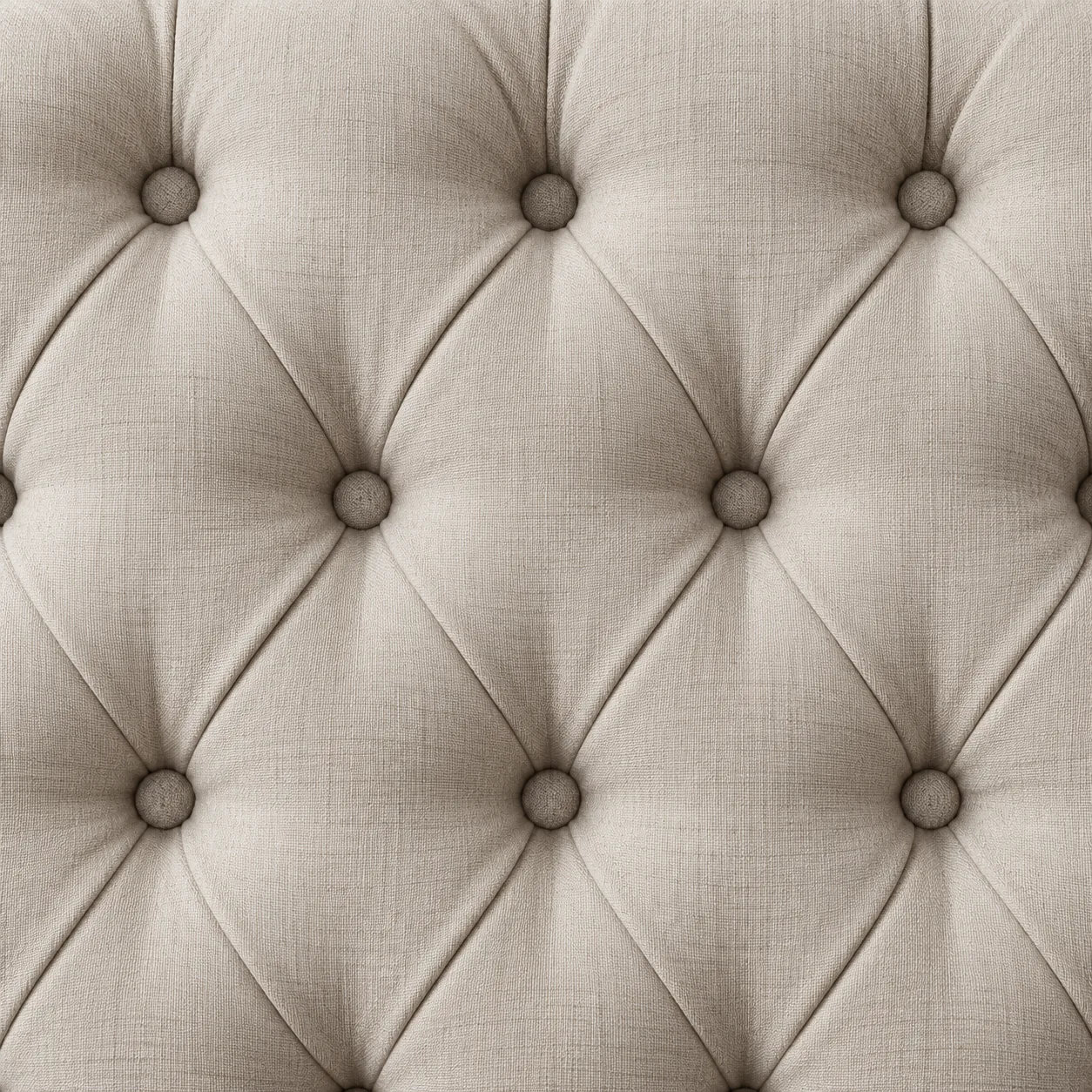
- Face. Channels, diamonds, plain, framed panels.
- Cover. Leather, suede, velvet, linen, bouclé.
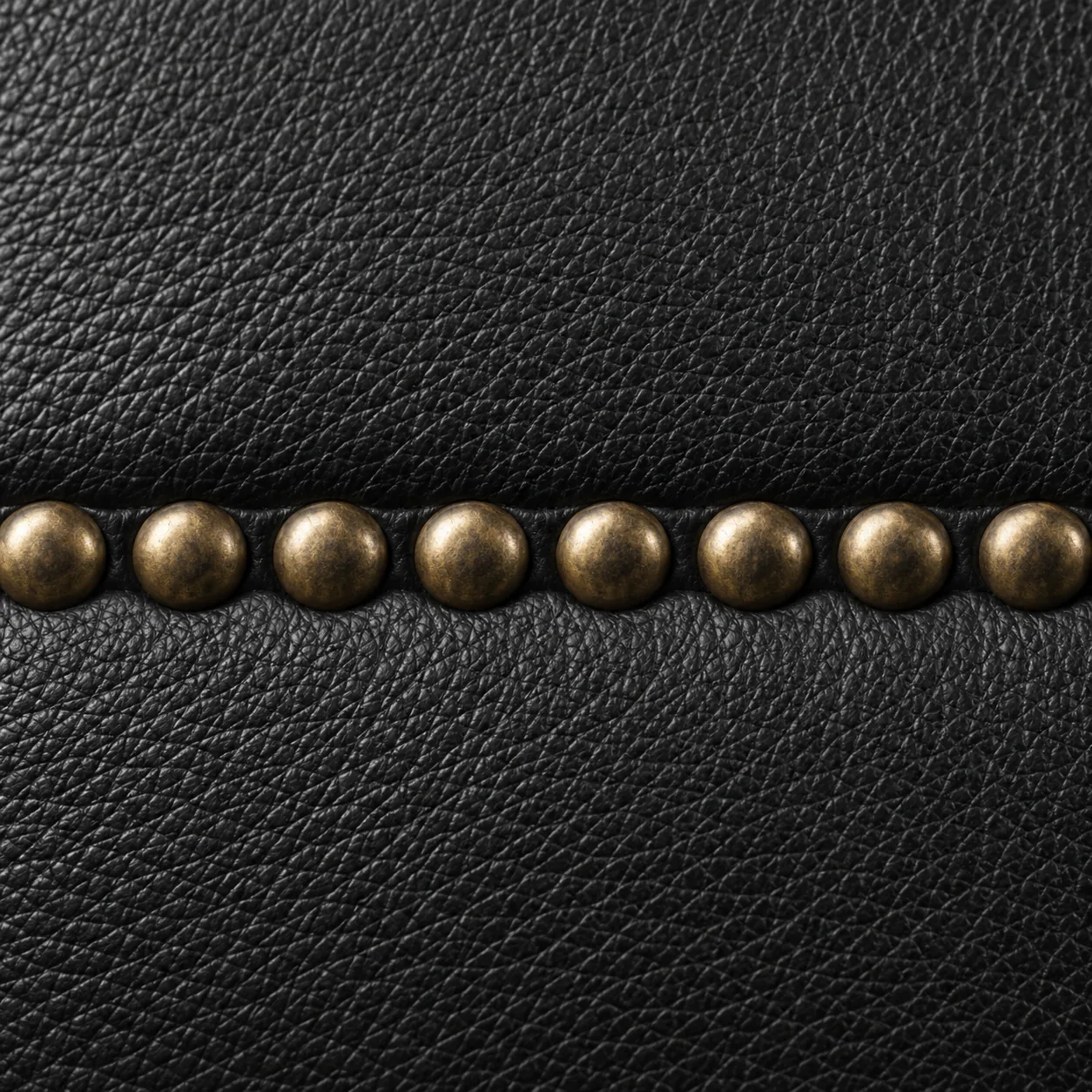
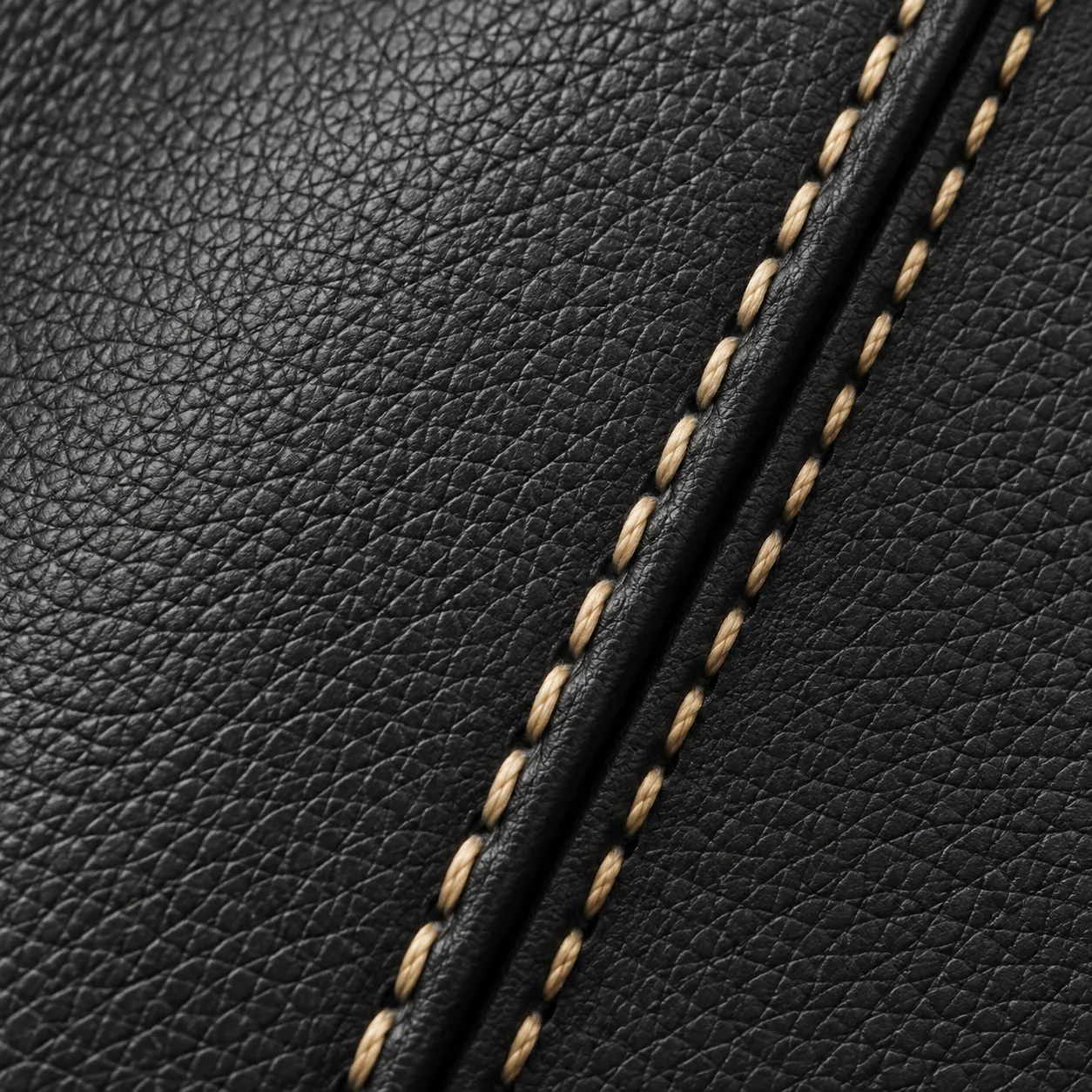
- Edge. Welt, double welt, saddle stitch, nailheads.
If the mount has to move, it moves. Four screws into studs, and the only part of headboard reupholstery done in the bedroom rather than the workshop.
The shapes
Headboard reupholstery starts with the silhouette, not the fabric
Most people arrive with a swatch. In headboard reupholstery the swatch is the last decision, not the first. Eighteen shapes, all buildable over the same cleat, all the same week of work.

Camelback
One soft arch, welted in a contrasting shade so the curve reads from the doorway.
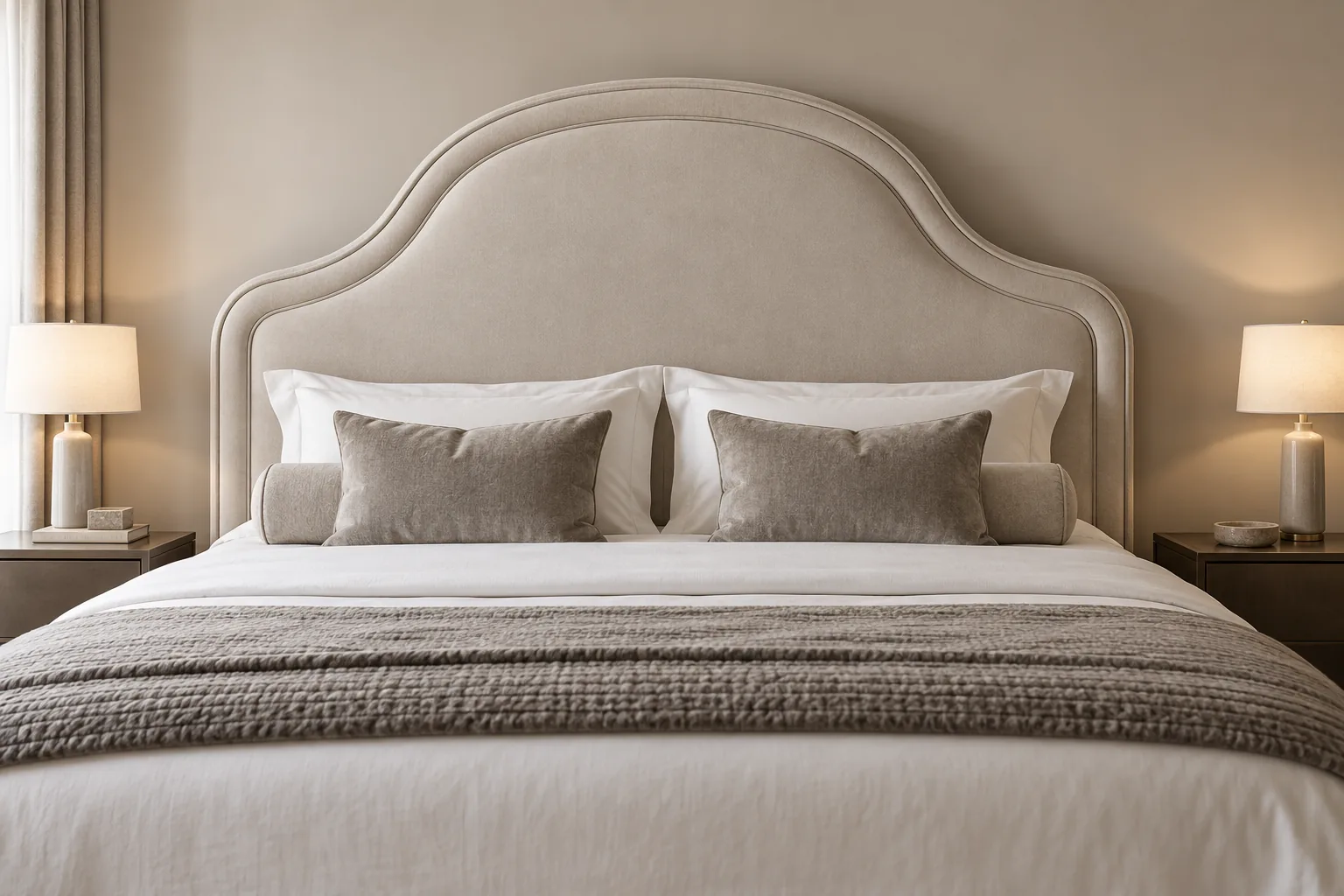
Serpentine, outlined
A shaped top with a raised border sewn a few inches inside the edge. Reads as a frame without adding wood.

Asymmetric
High on one side, falling to the other. Needs a reason in the room — a window, a door swing, a sloped ceiling.
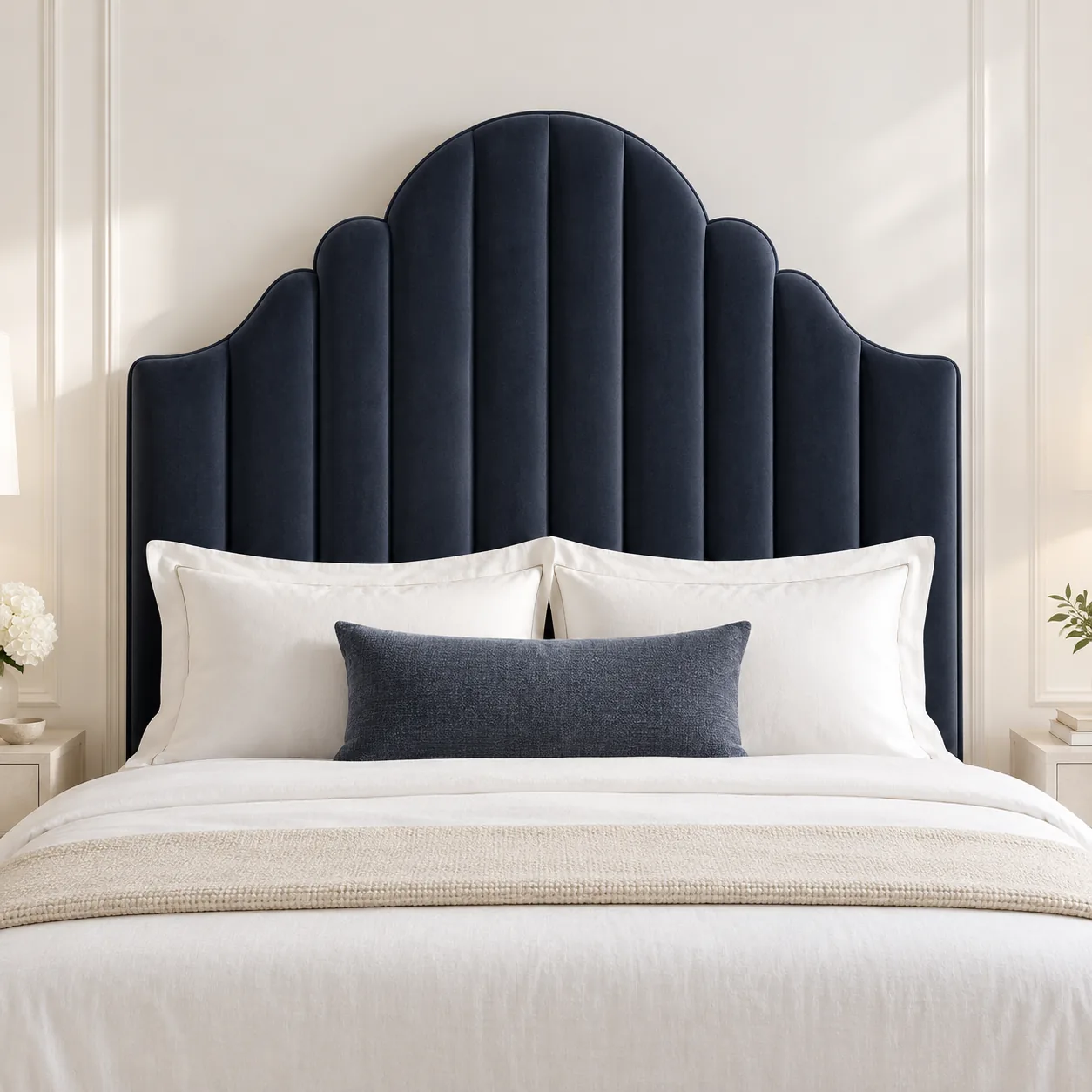
Scalloped crown
Several arches cut as one crown. The hardest top edge to keep fair, and the one people photograph.
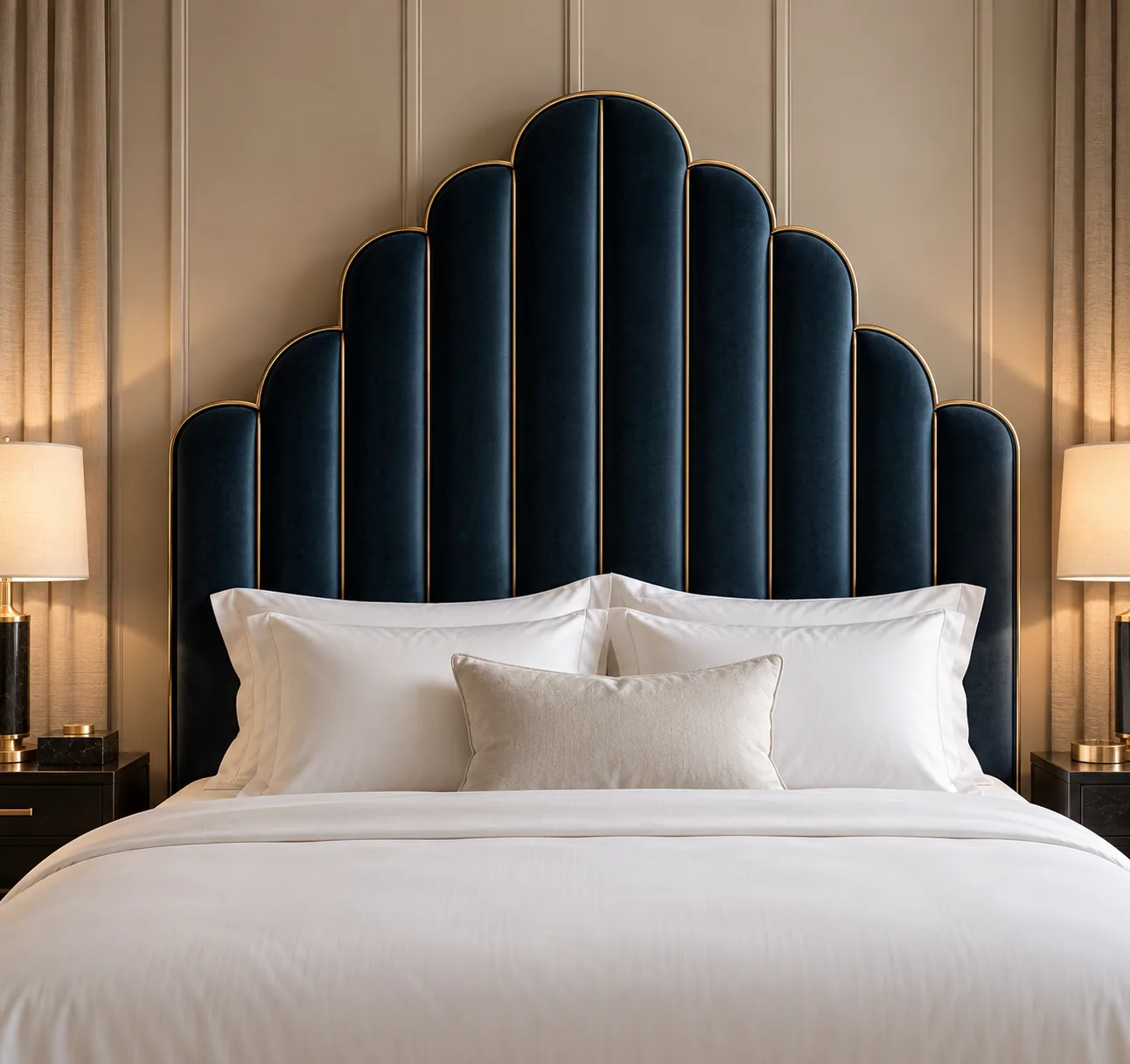
Fan
Deco. Every flute ends in its own arc, so the top edge is cut once per channel rather than once per board.
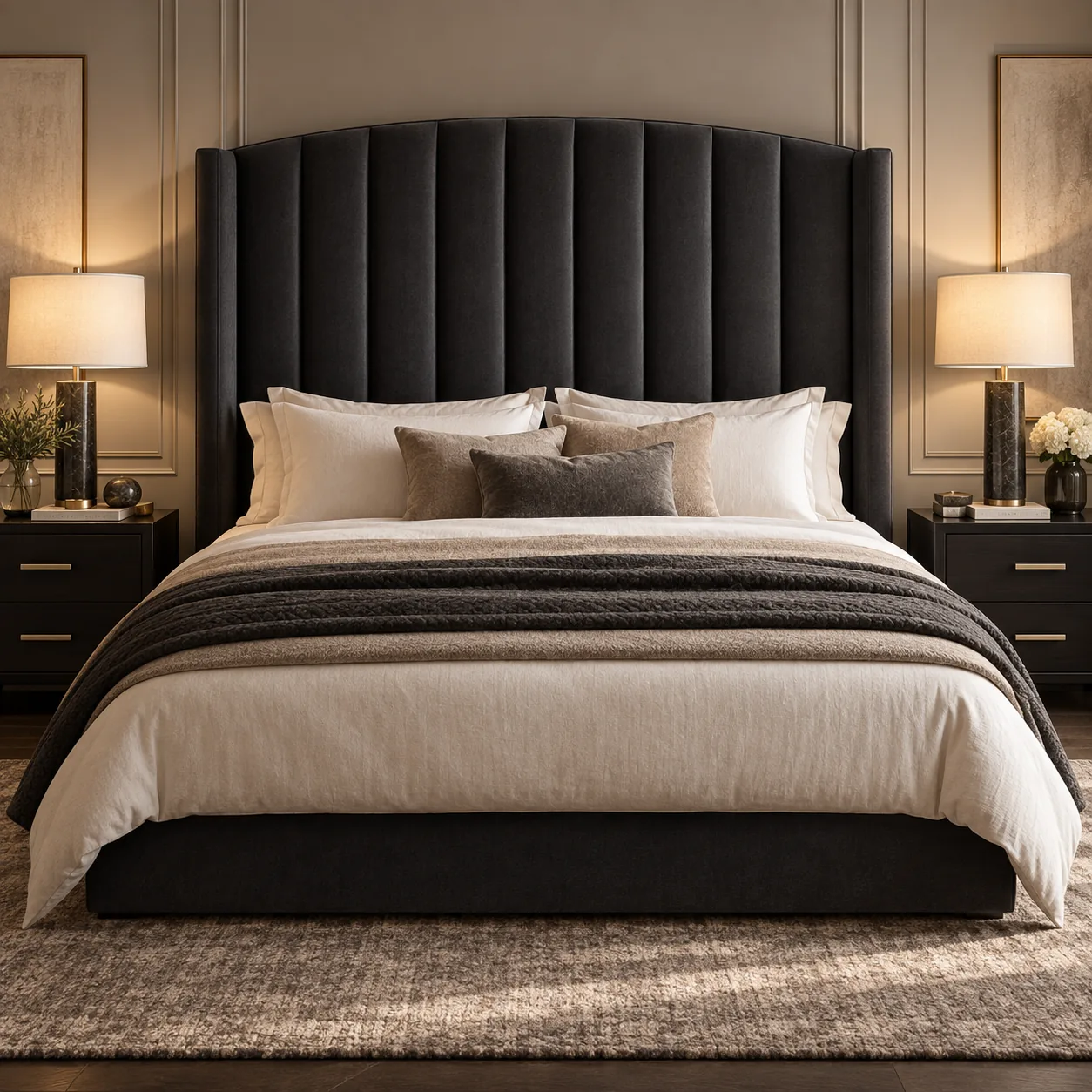
Arched over channels
A single arch cut across vertical flutes, so each channel finishes at a different height.
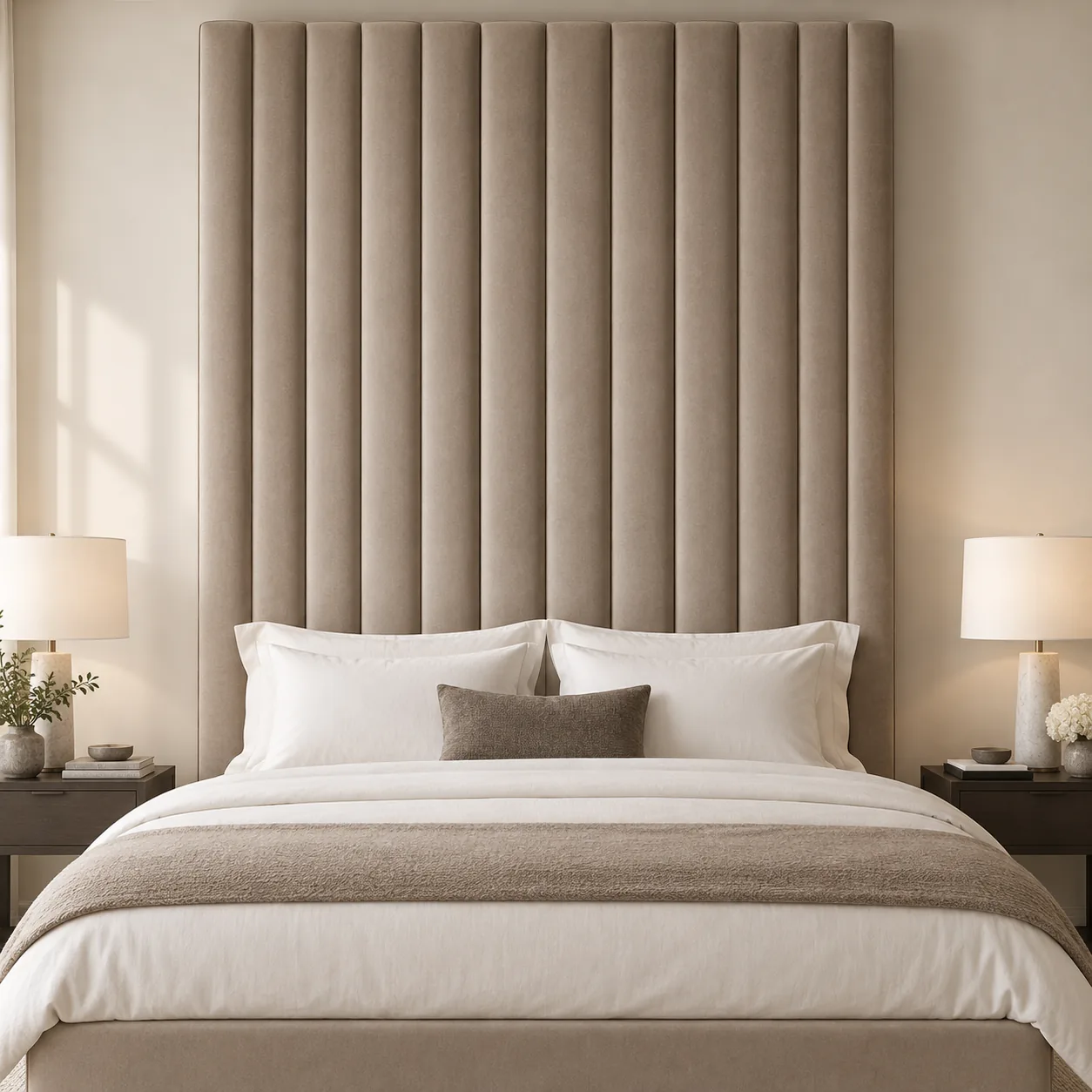
Tall and narrow
Stops at the mattress and goes up instead. The move for a small room with height to spend.
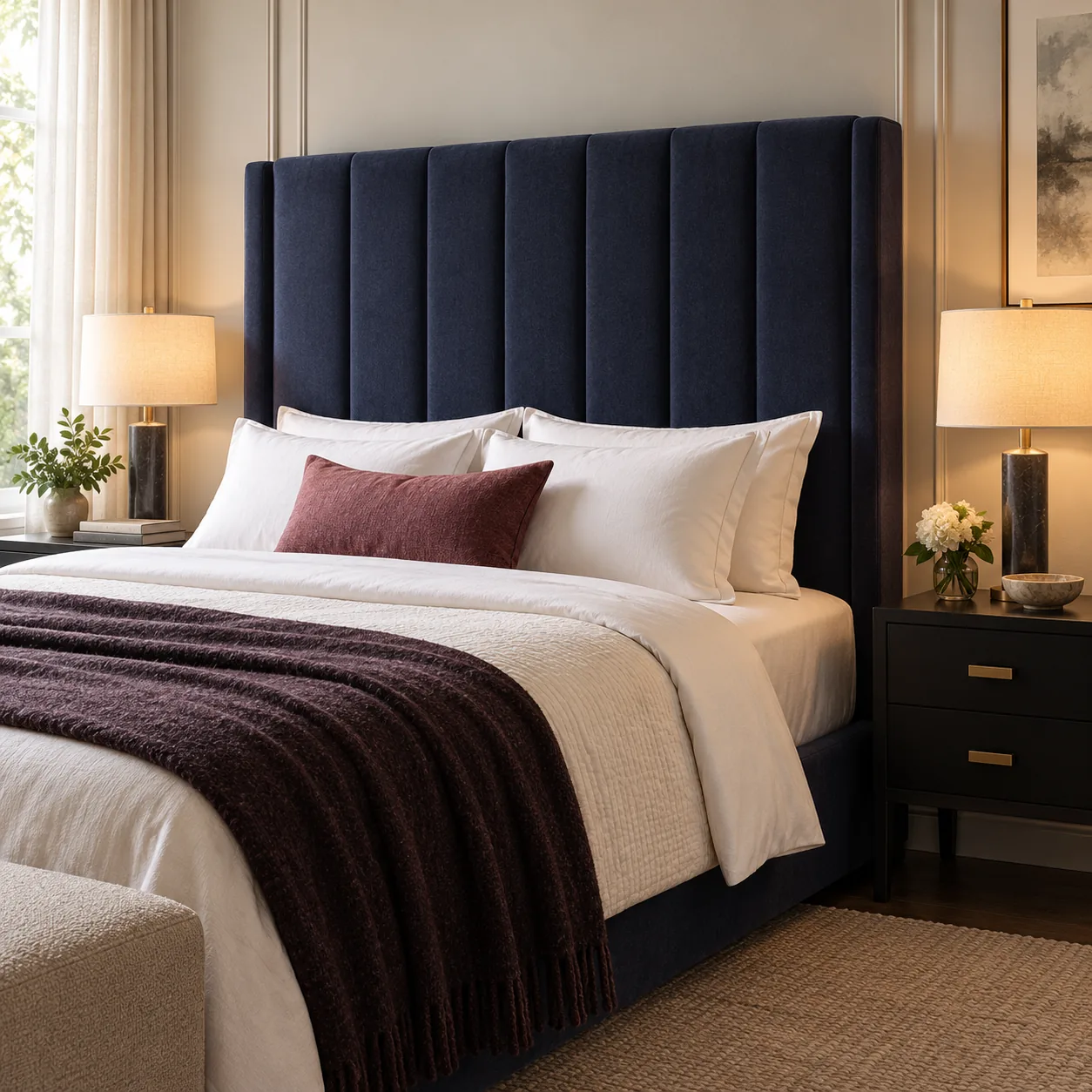
Tall wingback
Wings turned forward to close the ends. Cuts draught and noise at the pillow line as much as it decorates.
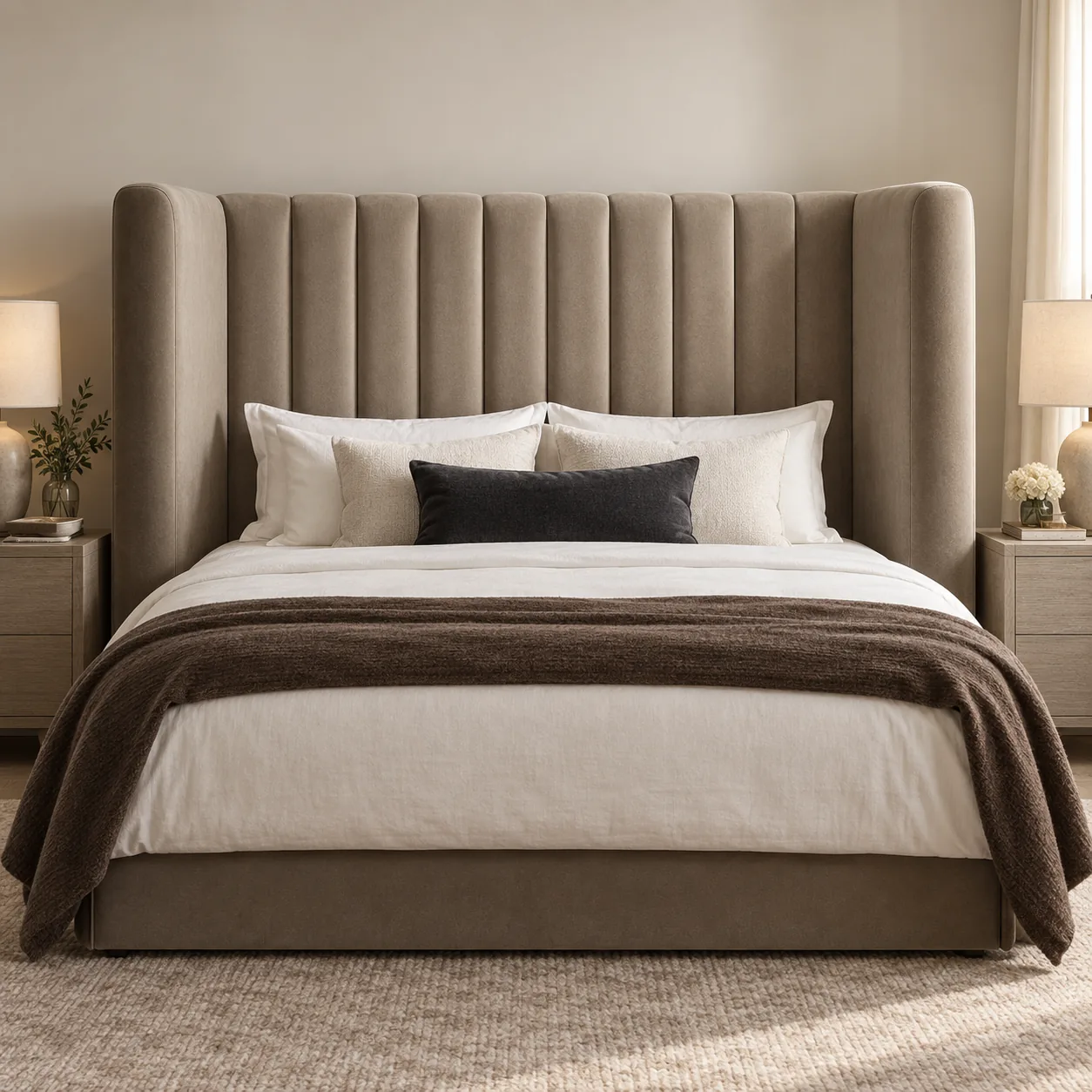
Rolled wings
The wing rolled instead of mitred. Softer, and far more forgiving of a wall that is not quite plumb.
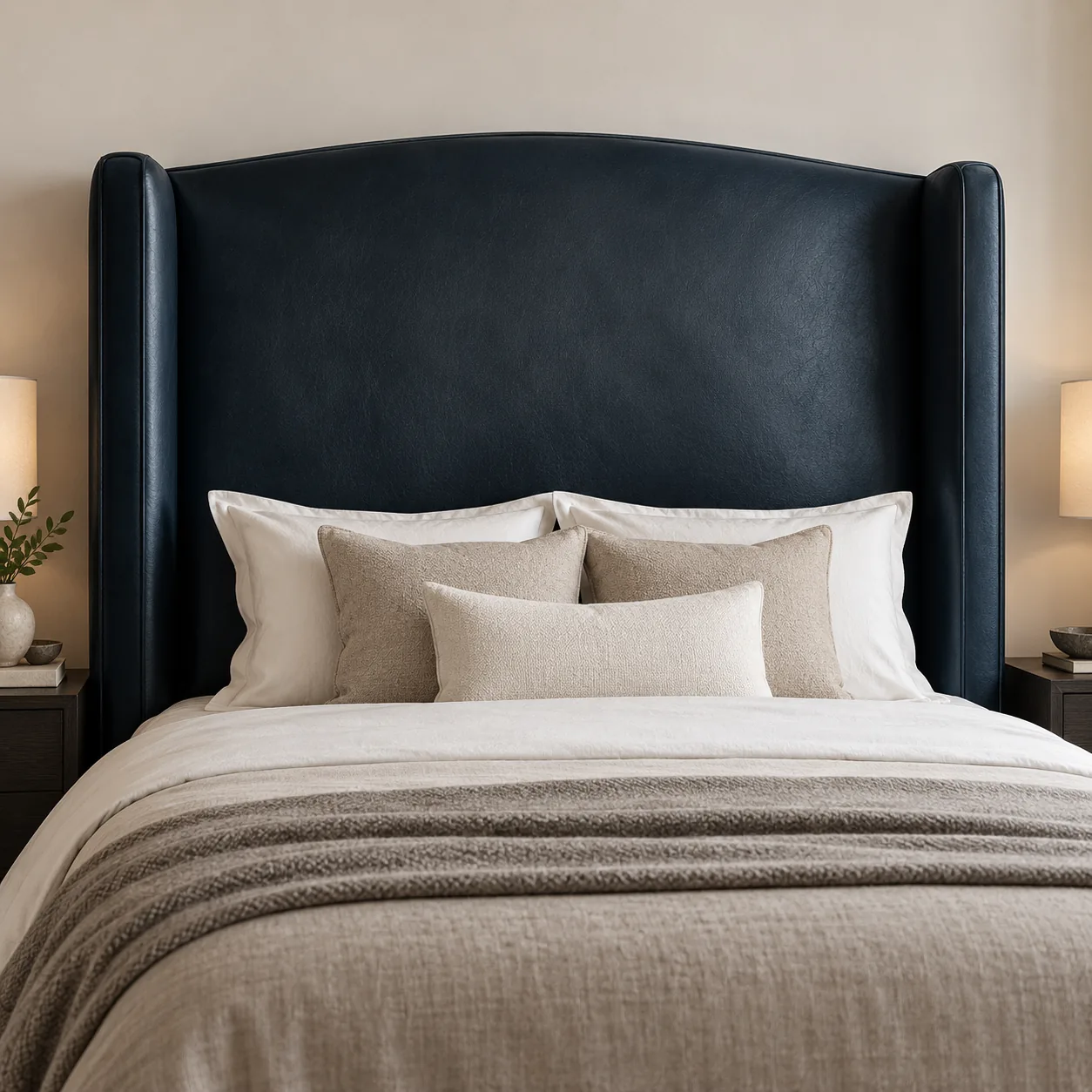
Leather, untufted
No channels, no buttons. The hide is the entire face, so every seam and every stretch mark shows.

Winged and diamond-tufted
Wings and buttons together. The buttons stop at the wing break, which is a decision you only see once it is wrong.
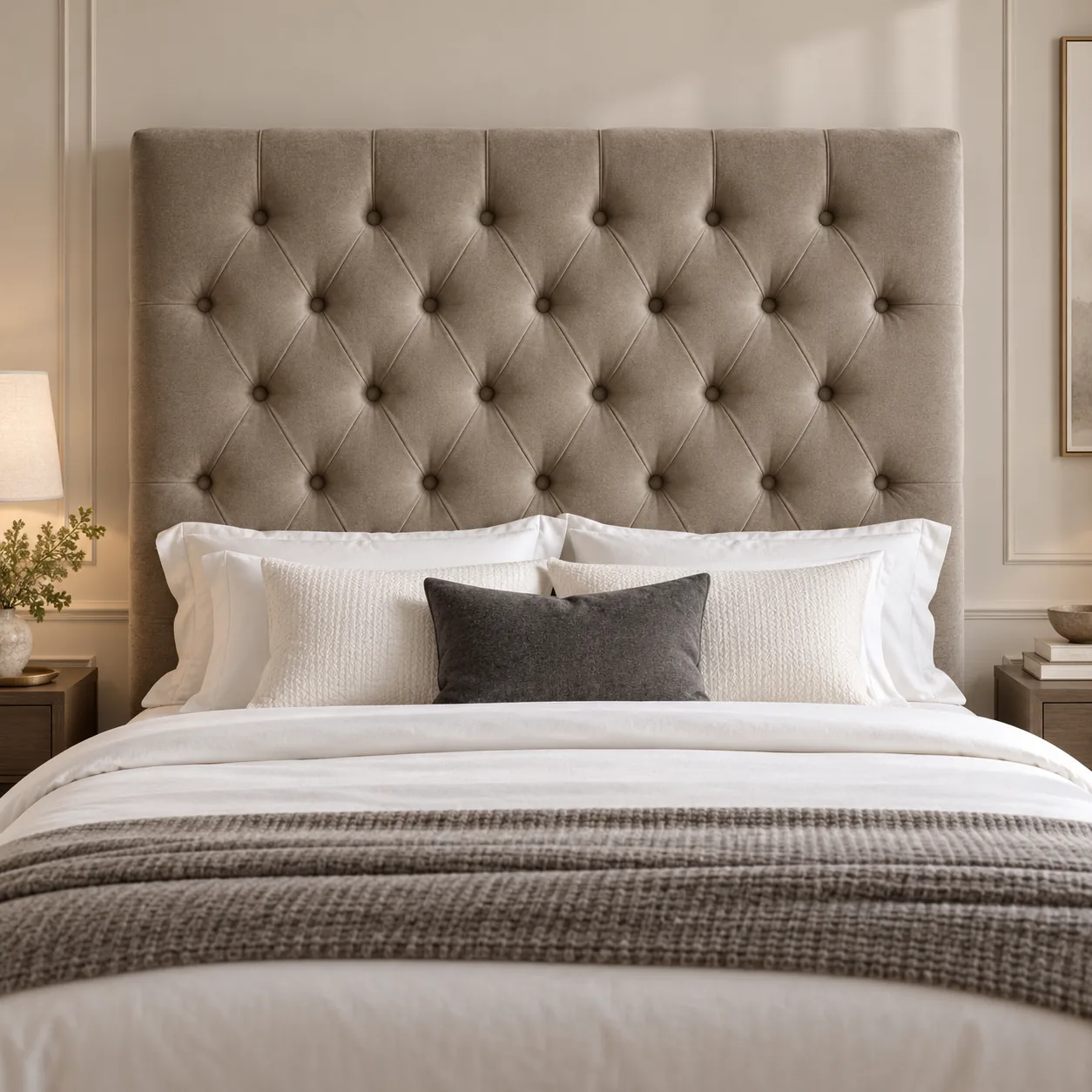
Diamond, shallow
A buttoned grid with the folds pressed rather than stuffed. Quieter than a deep buttoned face and easier to clean.
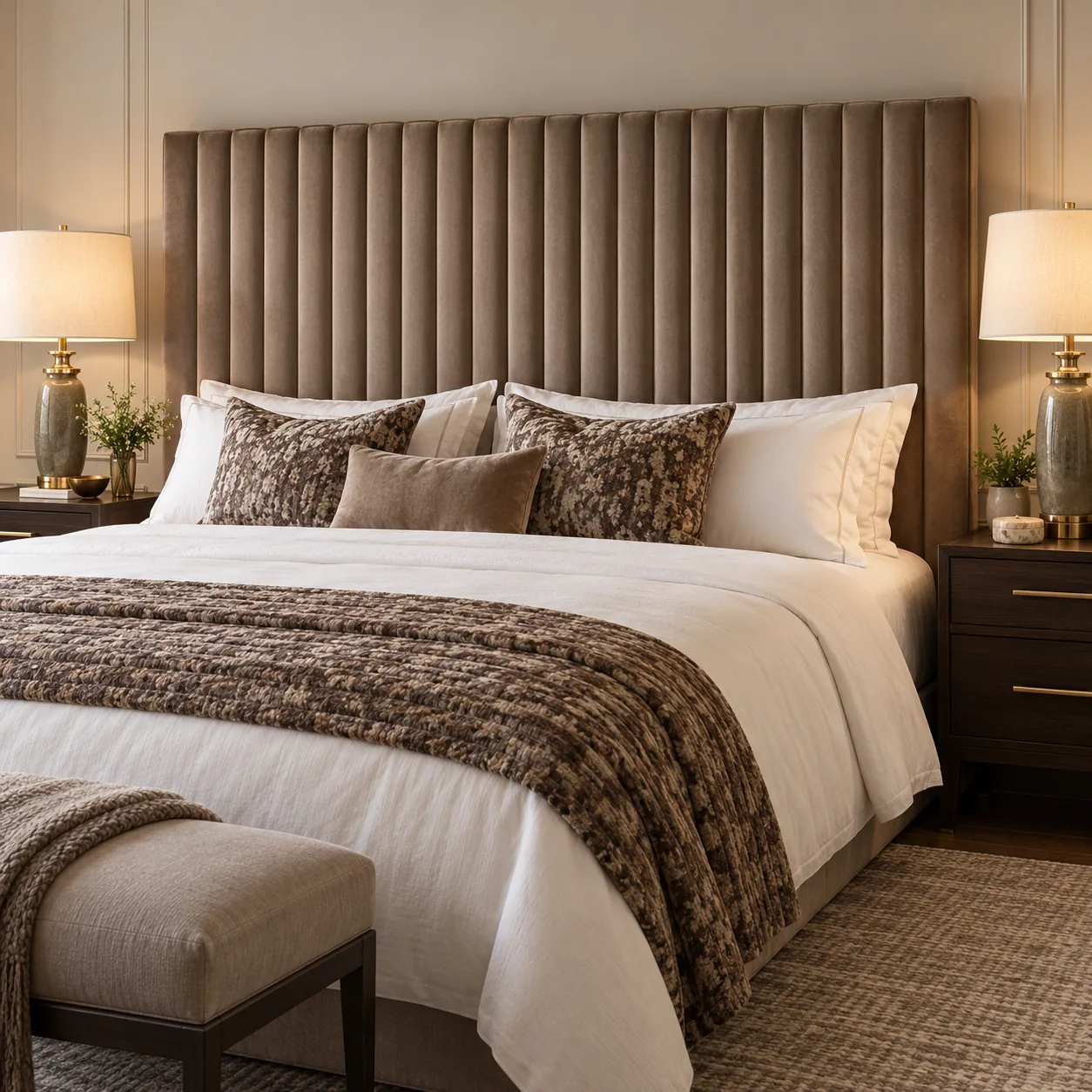
Extra wide
Runs behind both nightstands. Makes a small bedroom read as a suite, and needs two cleats instead of one.
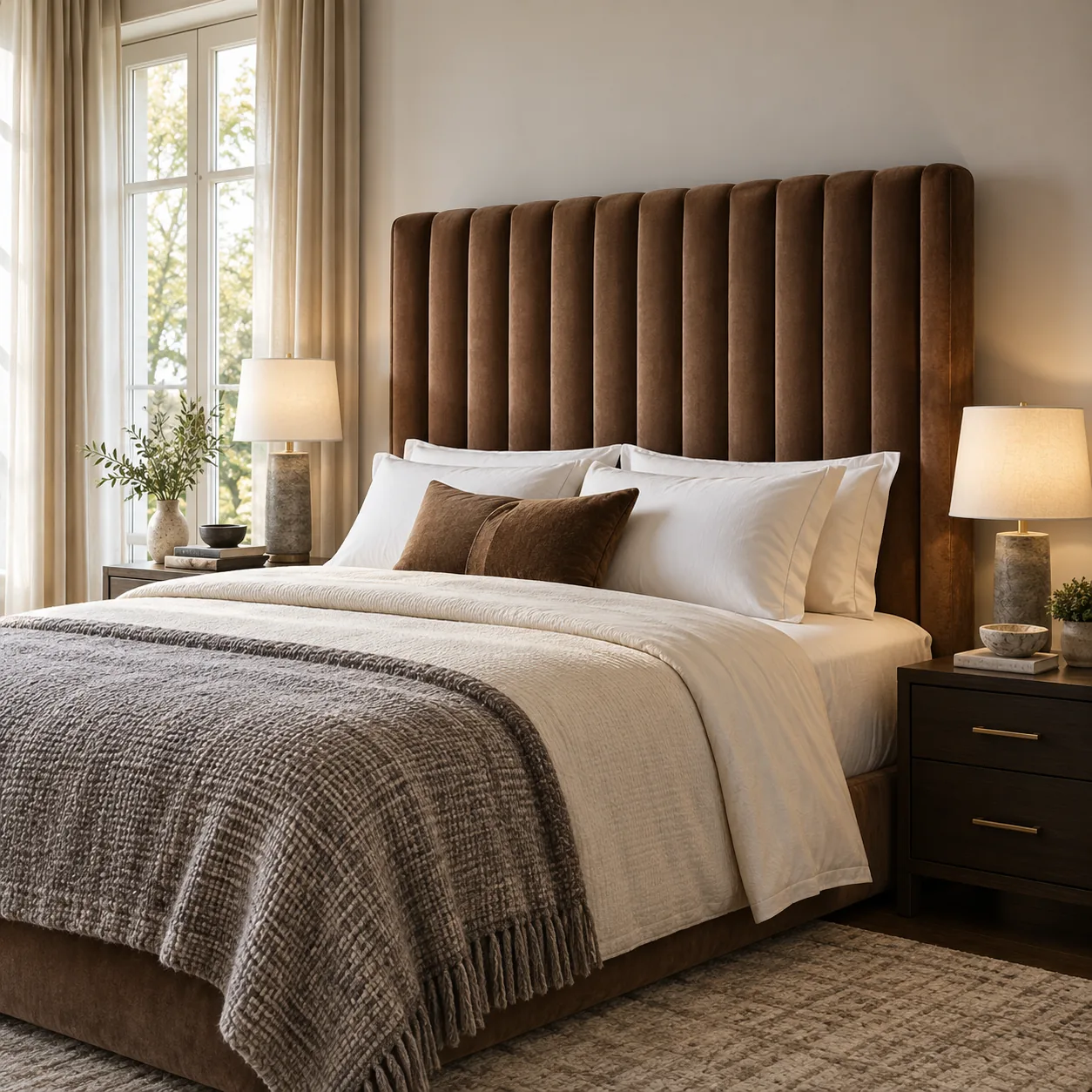
Rounded corners
Square face, corners taken off. The cheapest change of character available on an existing board.

Narrow flutes
More channels, each one thinner. Uses noticeably more cover than the same board in wide flutes.
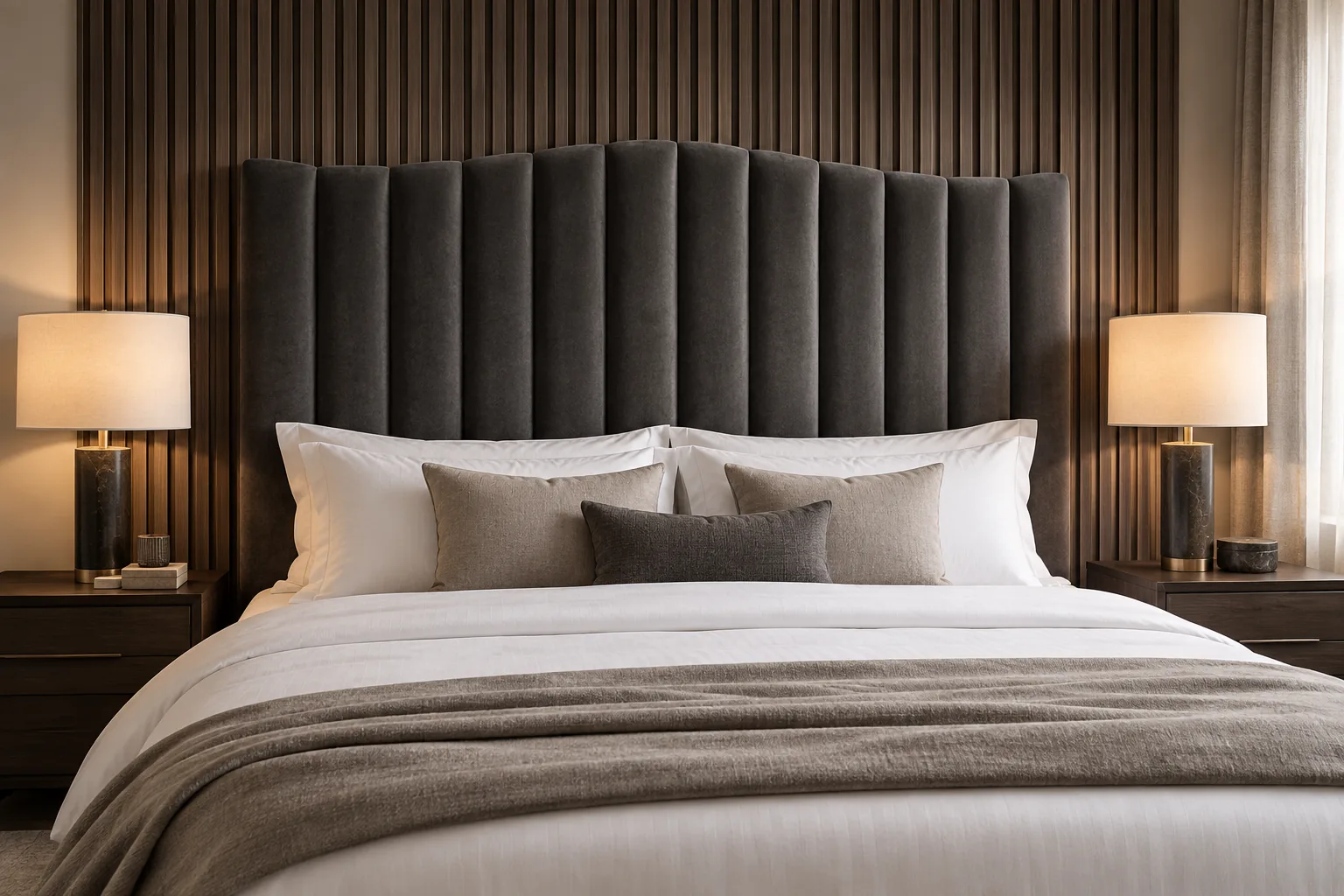
Arched against timber
When the wall behind is already busy, the board goes dark and plain and lets the wall do the work.
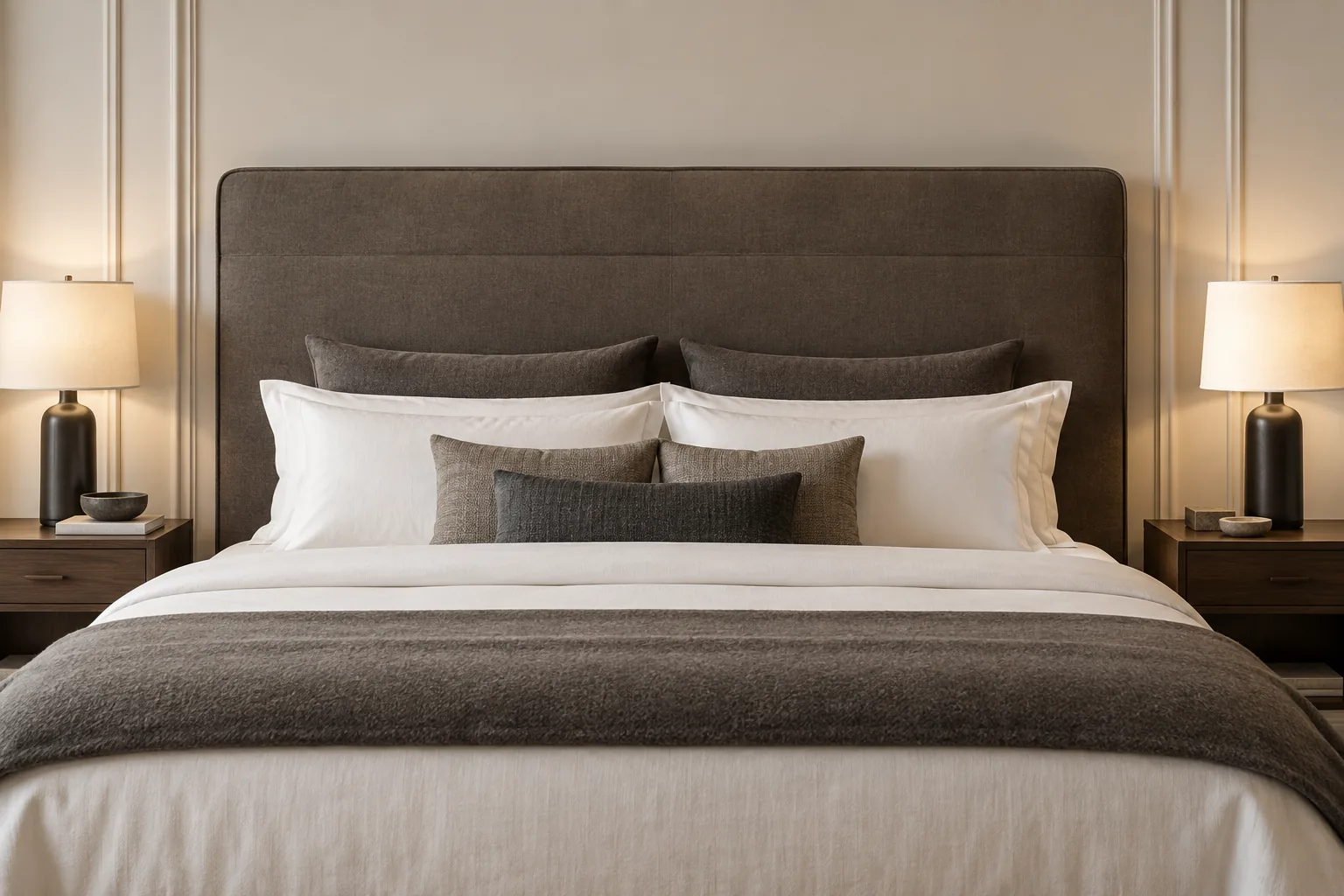
Low, with a stitched band
One horizontal seam near the top edge. All the structure a low board needs, and the fastest face to sew.
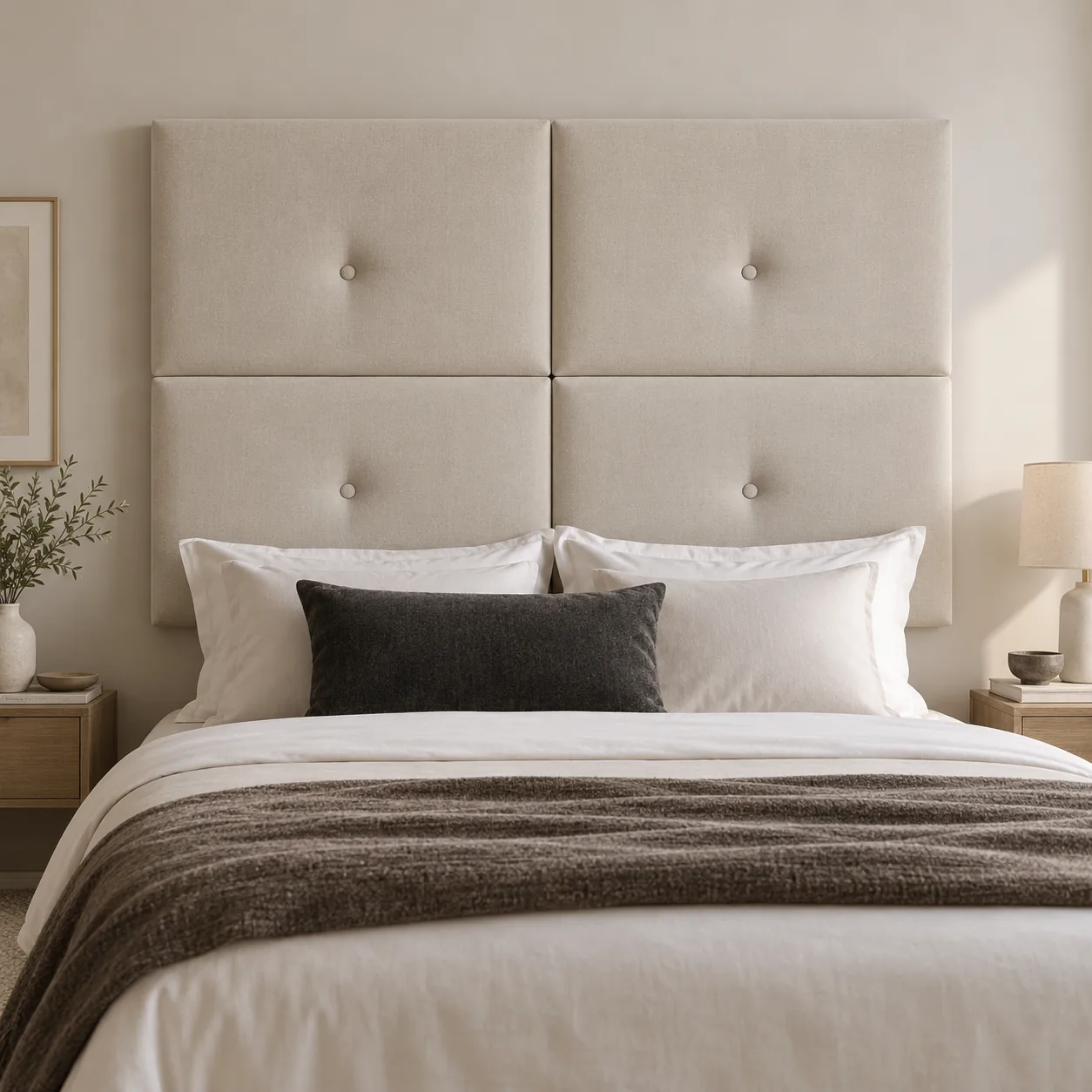
Panel grid
Four squares, one button each, hung as separate panels. Any one of them comes down on its own.
Every board above is the same job: strip, inspect the substrate, cut a new face, finish an edge, rehang. The shape changes what gets cut, not what gets done.
In rooms
Six rooms, and no single right answer
None of these boards is more correct than the others. They answer different walls, ceiling heights and amounts of daylight, which is the only honest way to choose a shape for headboard reupholstery. The last frame is not a board at all — it is what the board has to live with.



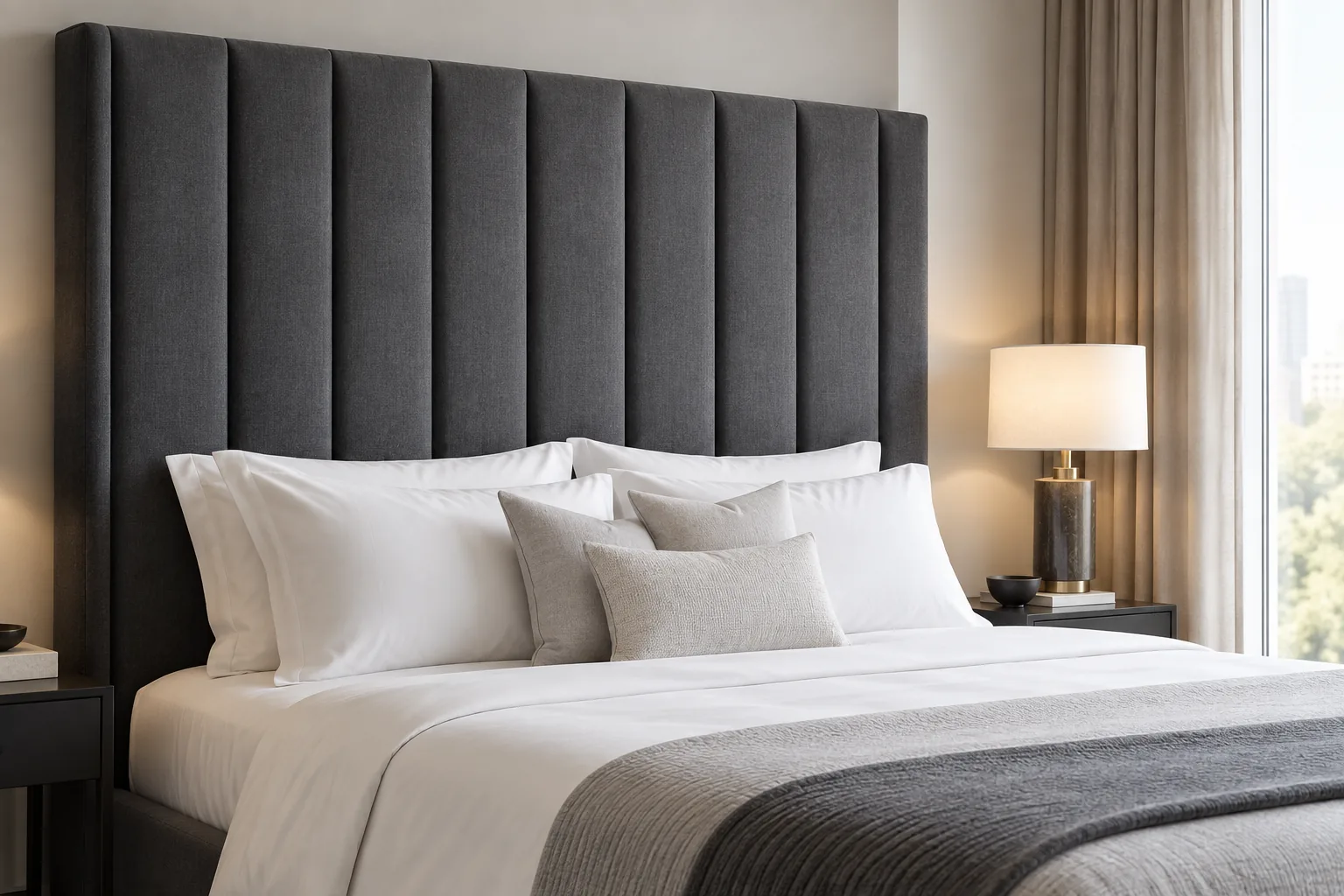
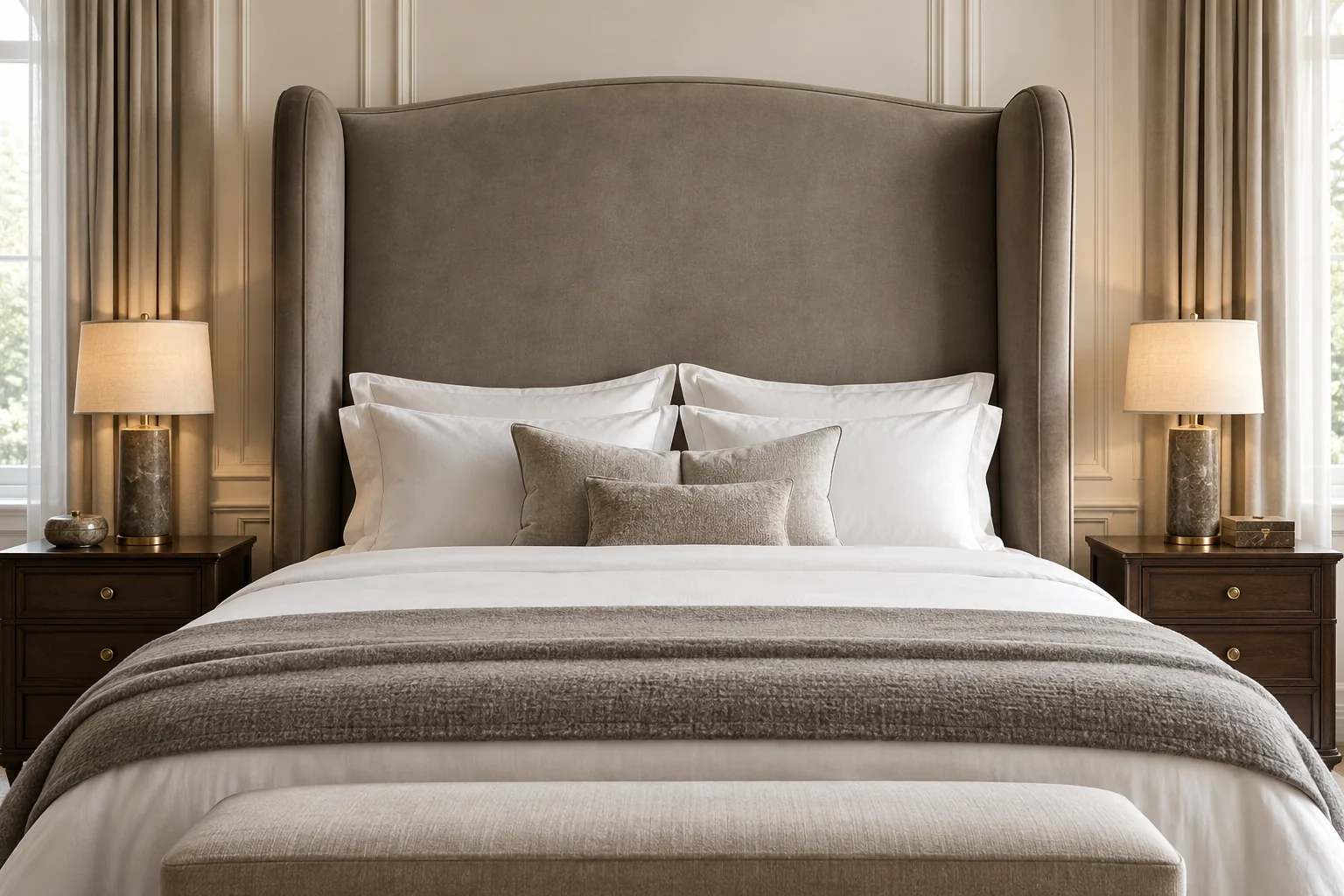
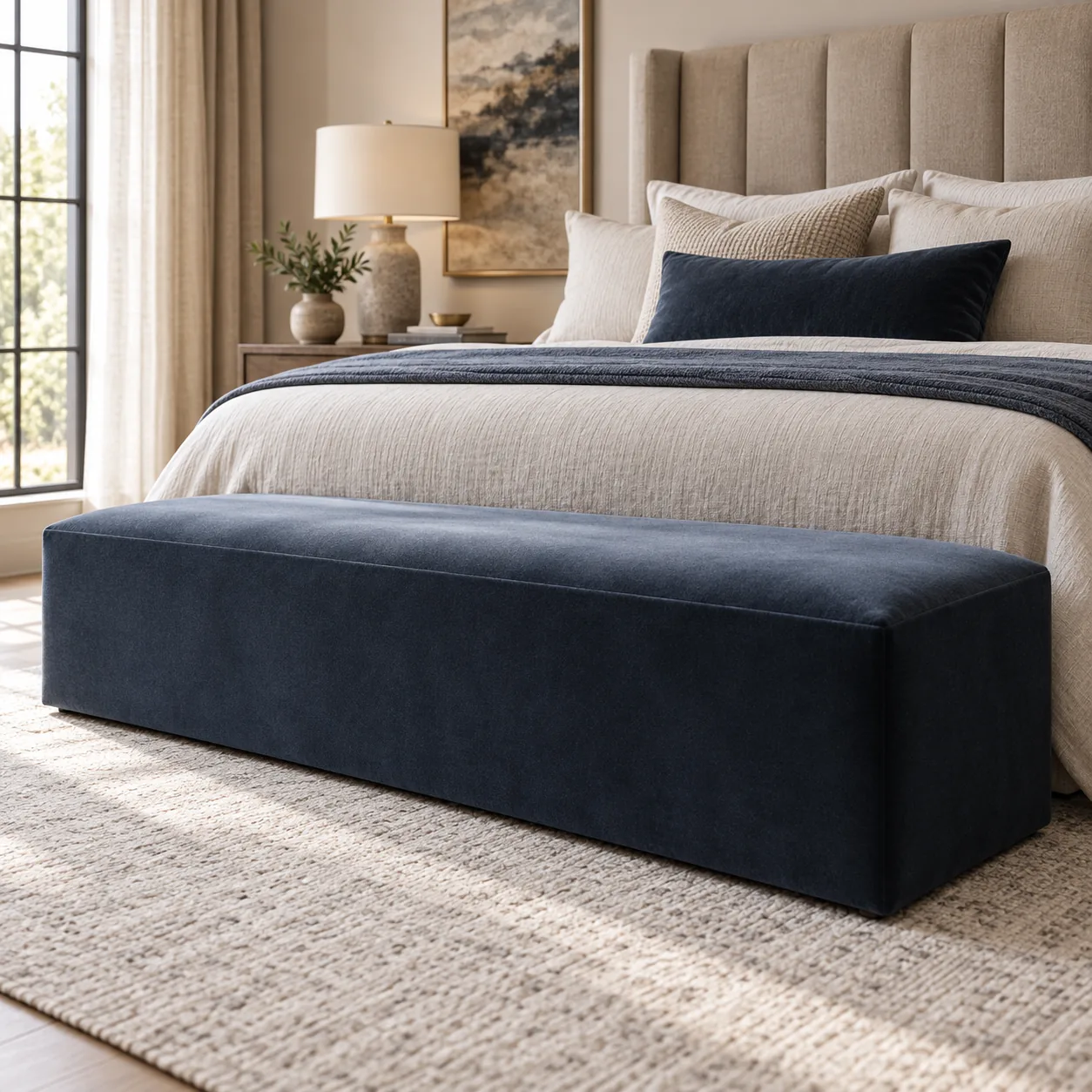
One room, two boards
The after is not the same board
This is the part most headboard reupholstery quotes leave vague, so it is worth being blunt. The room did not change. The board did, and not only its cover.
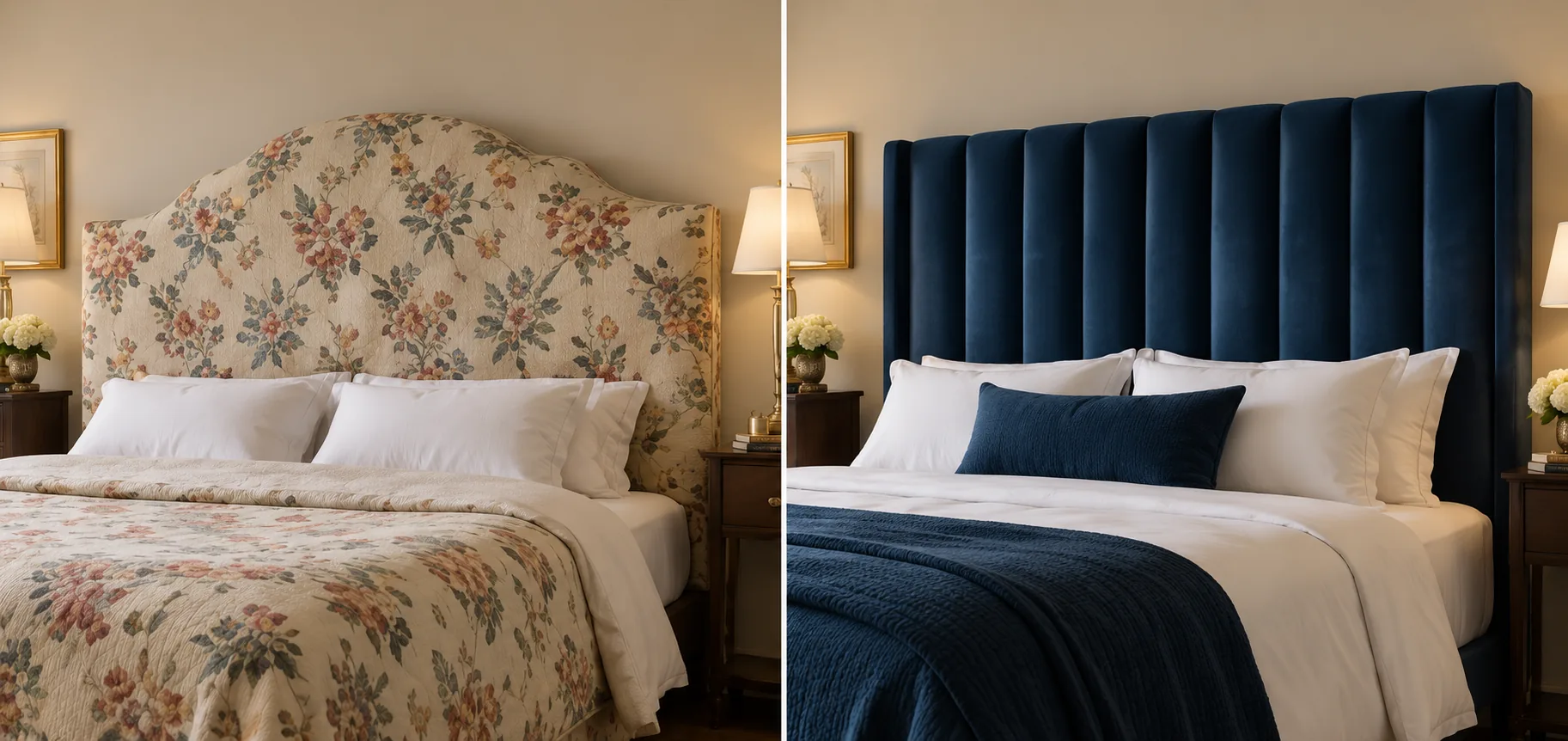
What carried overThe cleat, the wall, the lamps and the nightstands. Nothing in the room was moved, and no plaster was made good.
What changedThe silhouette. A camelback that stopped inside the nightstands became a broad, shallow arch with wings — and it is wider than what it replaced.
Why this is a rebuildA camelback cannot be pulled into that outline. The substrate was cut new. Same mount, same week of work, different object.
If someone shows you a pair like this and calls it a recover, ask which edge moved. The honest answer is usually all of them, and that is not a problem. It is the opportunity.
The decision
Recover the board you have, or cut a new one to the same mount
Headboard reupholstery splits here, and it splits on how the old face was made rather than on how bad it looks. Two boards in identical condition can land on opposite sides.
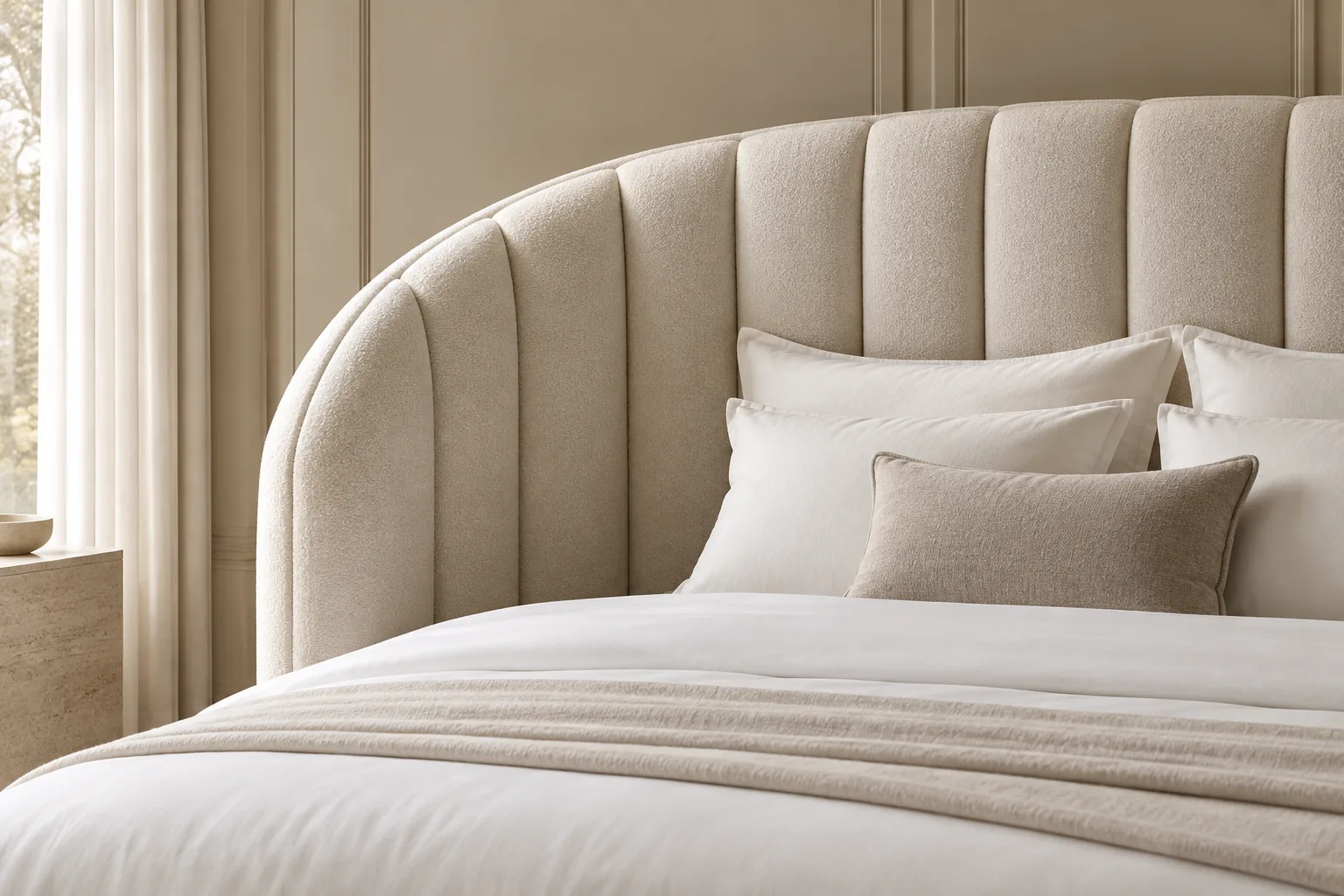
Channels and plain faces — usually a recover
Channels are built in foam on top of a flat board. Nothing is drilled through it. Strip the old cover off and the substrate is almost always straight, dry and reusable, so the job is a new face on the board you already own.
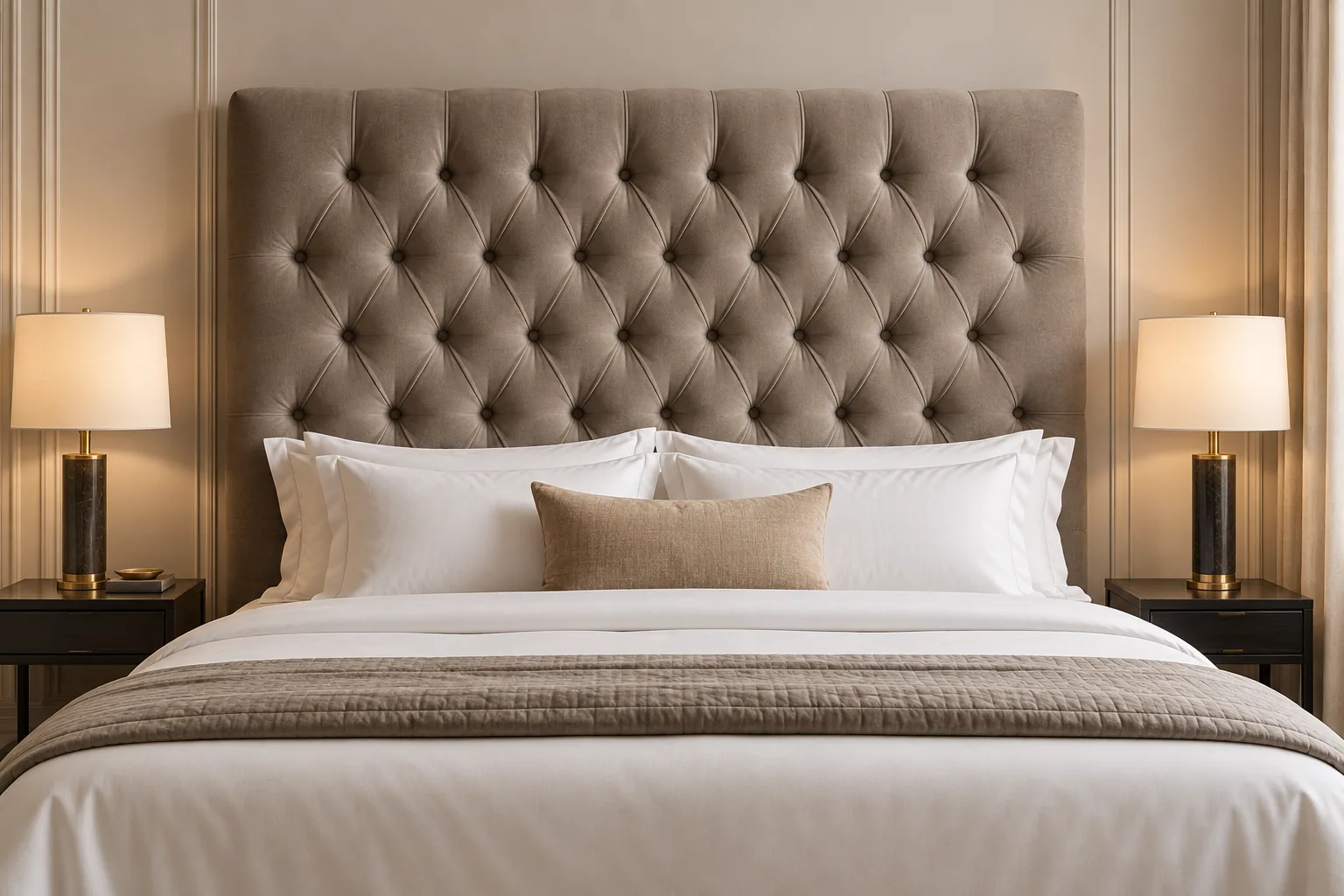
Deep buttoning — often a rebuild
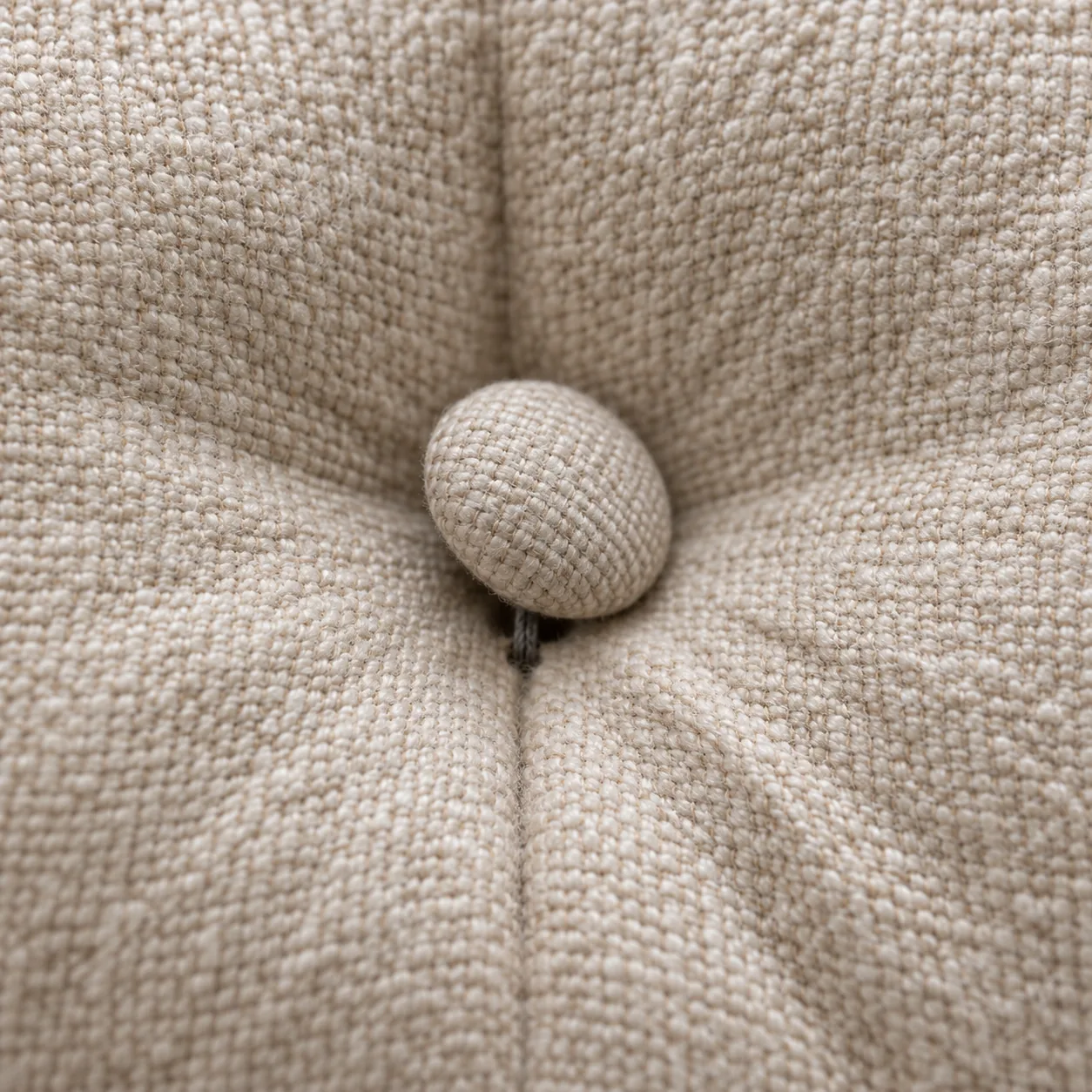
Deep diamond buttoning is pulled through holes drilled on a grid. Keep the same grid and the board is reusable. Change the diamond size, drop the buttons entirely, or change the outline, and the old holes are in the wrong places.
The strip settles it, and it happens before anything is final. A board that comes apart wet, delaminated or split along a screw line is replaced whatever the plan was.
The reasons
Four failures and two changes of mind
Headboards fail slowly and in very few ways, because almost nothing happens to them. Half the boards sent in for headboard reupholstery are not damaged at all.
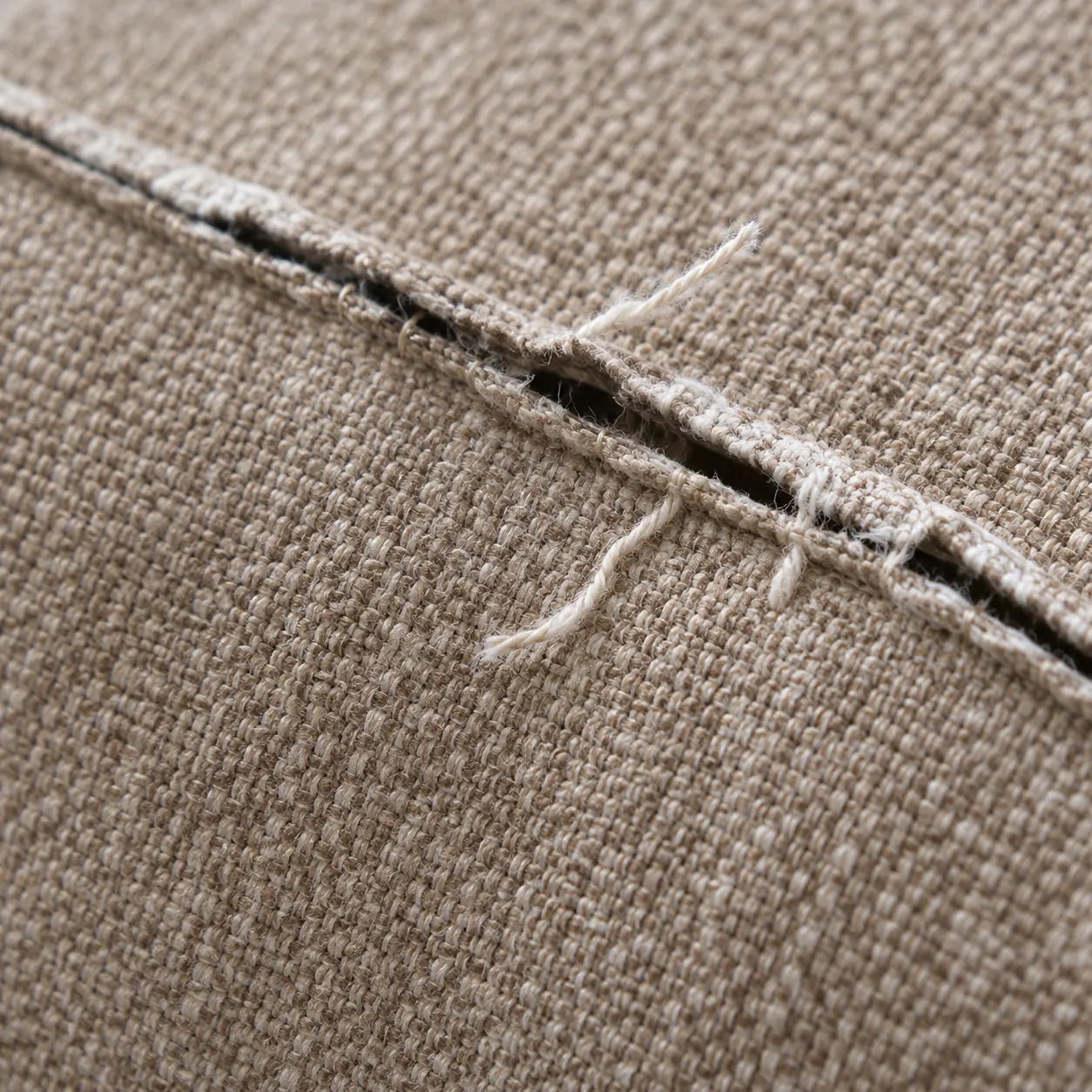
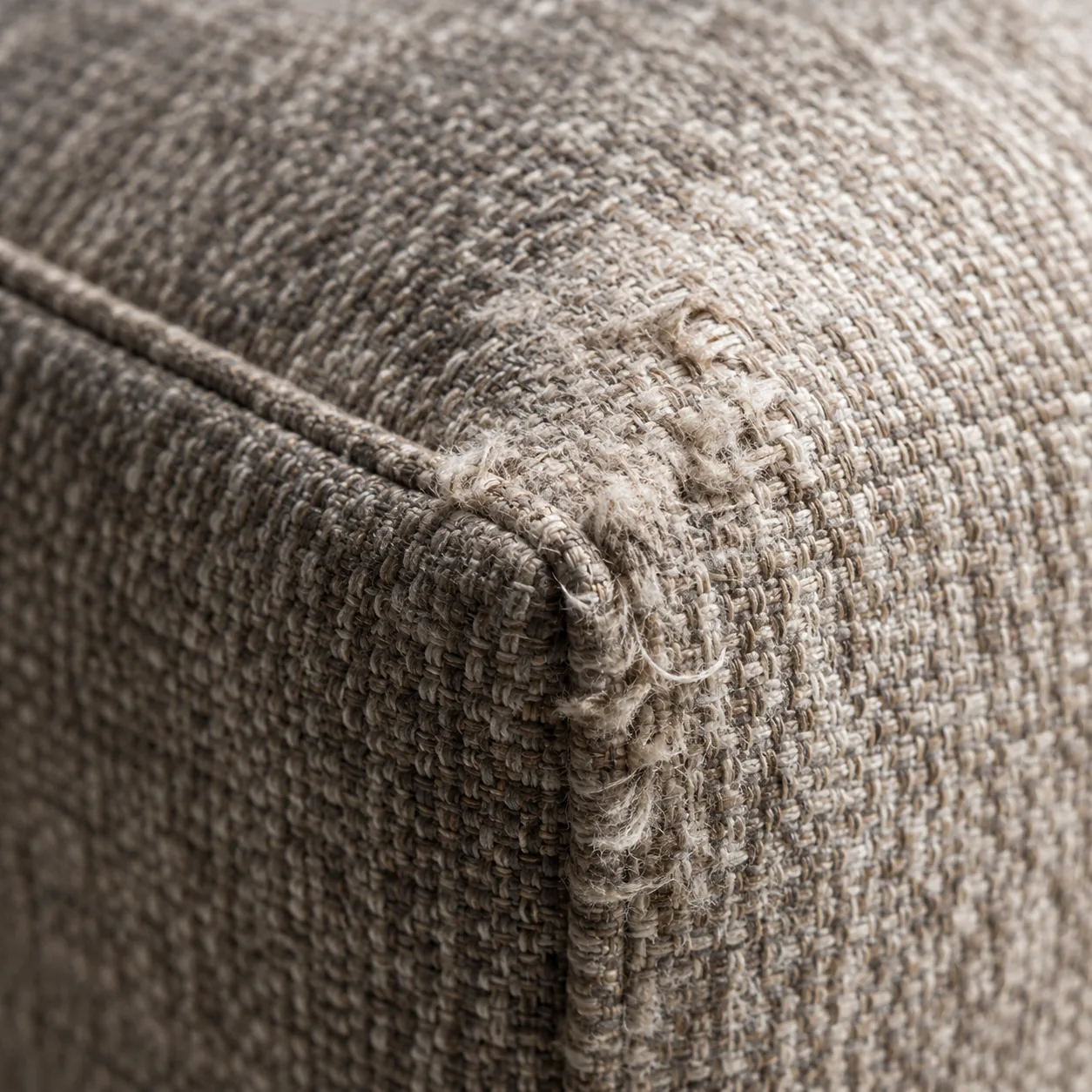
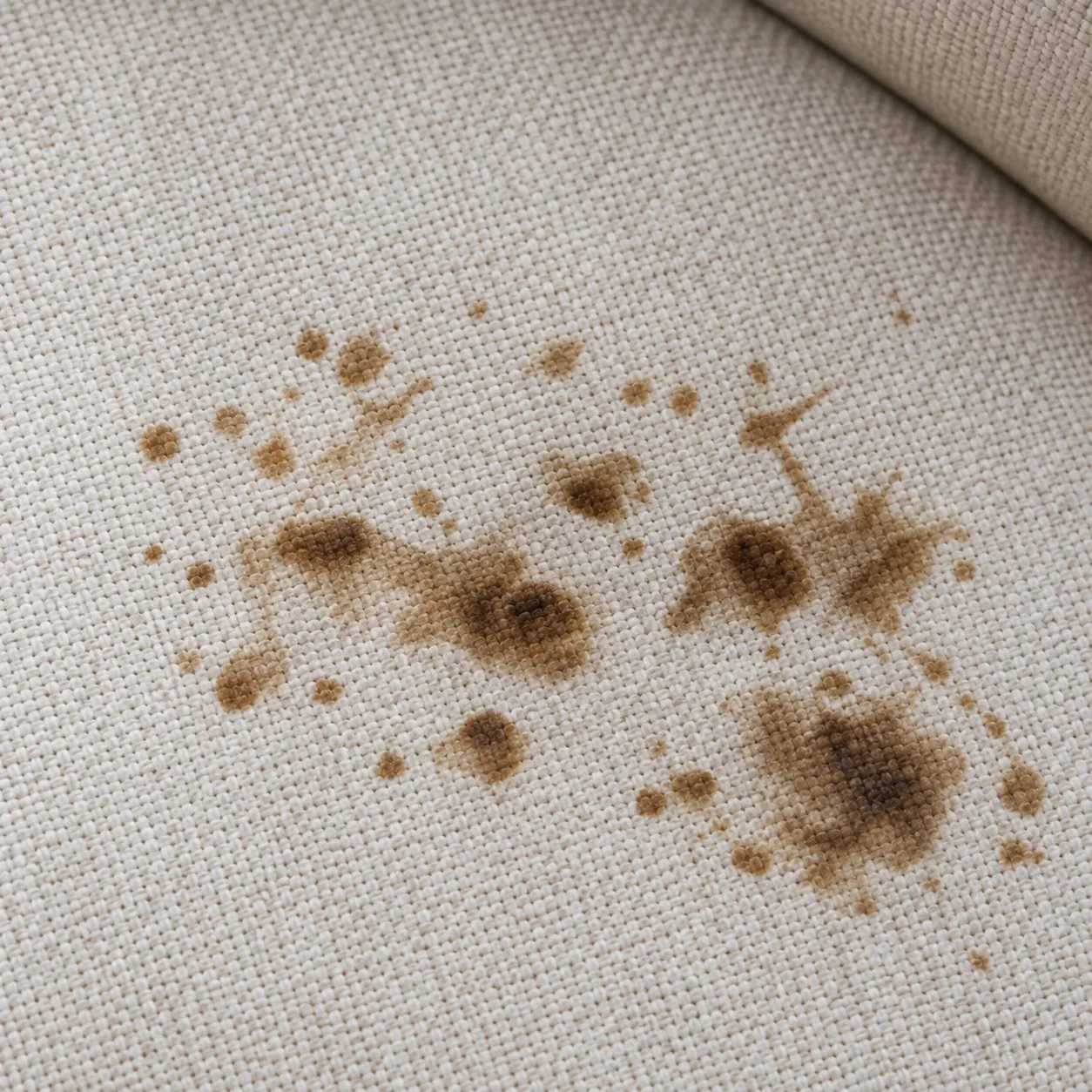
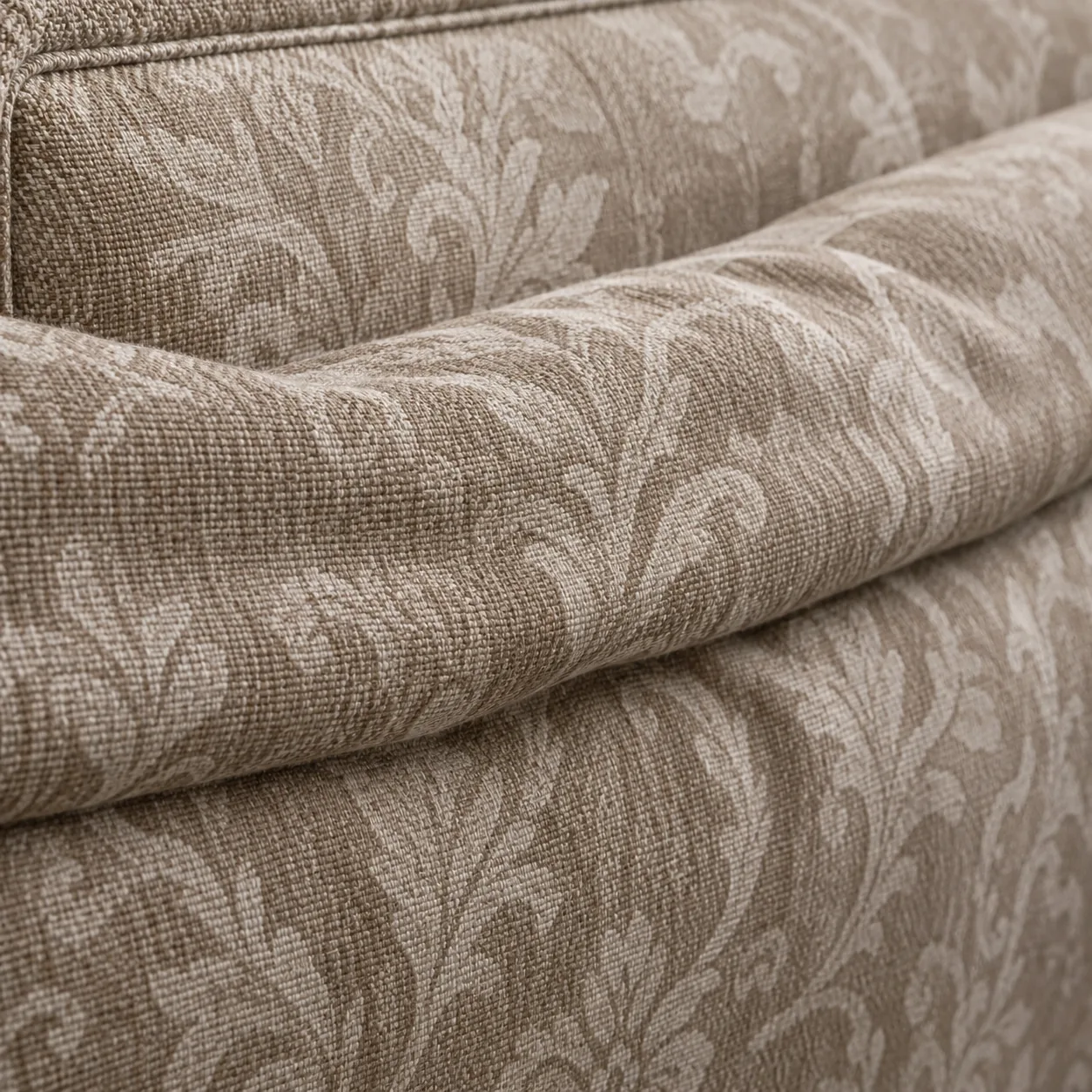
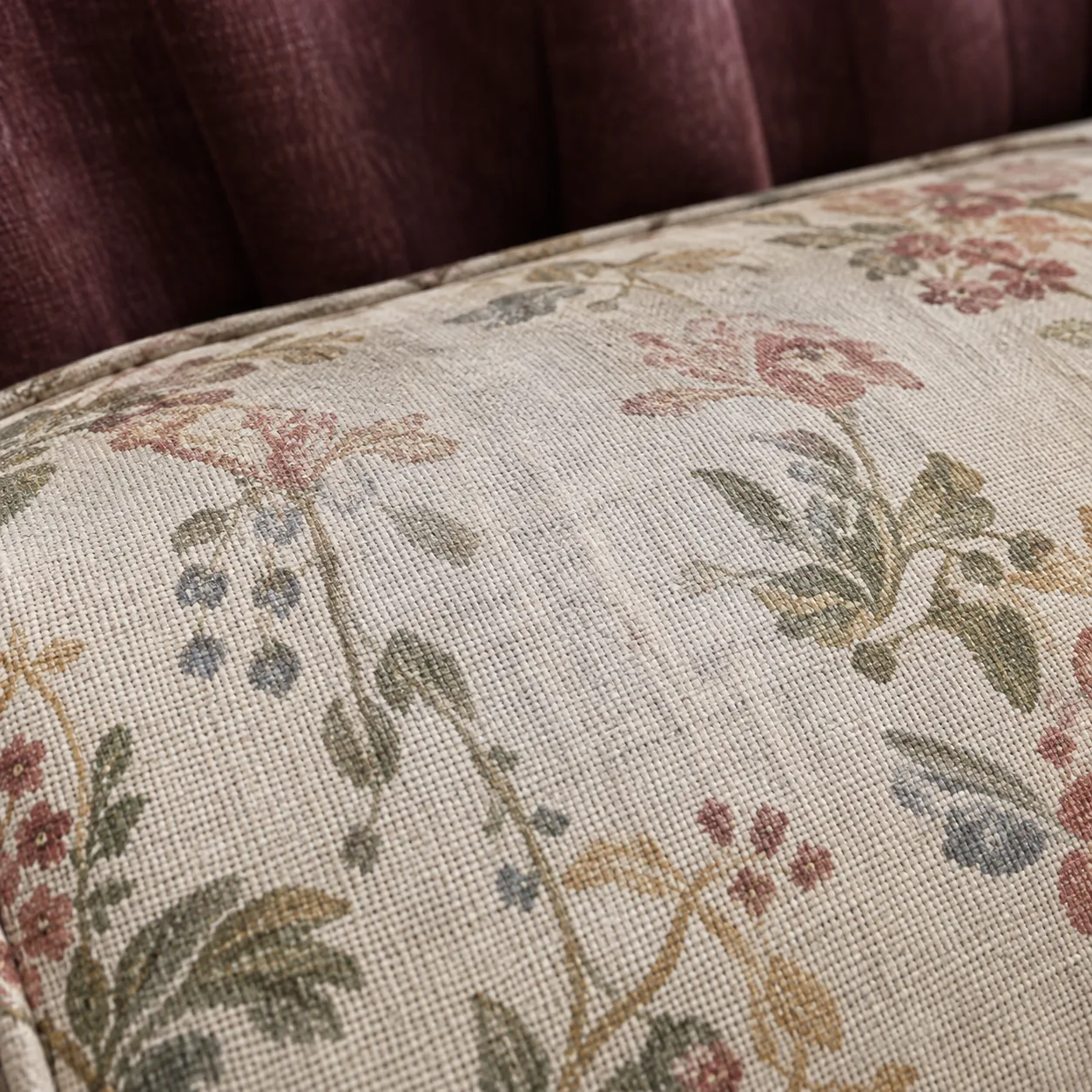
Separate the last two from the first four. A board that is merely out of date has lost nothing structural, so the work is purely a choice about how it should look next.
How the face is made
The edge is what you will look at from the bed
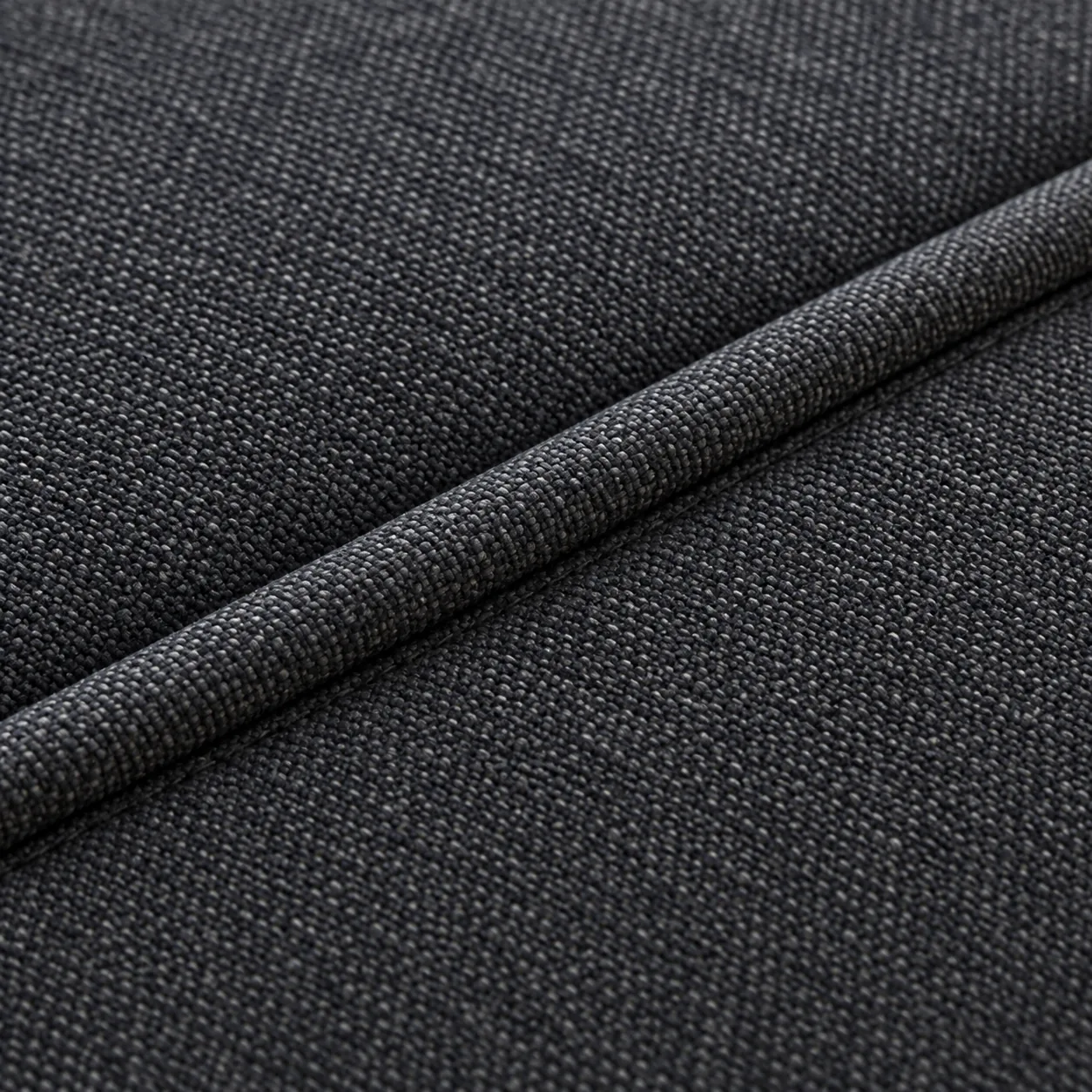
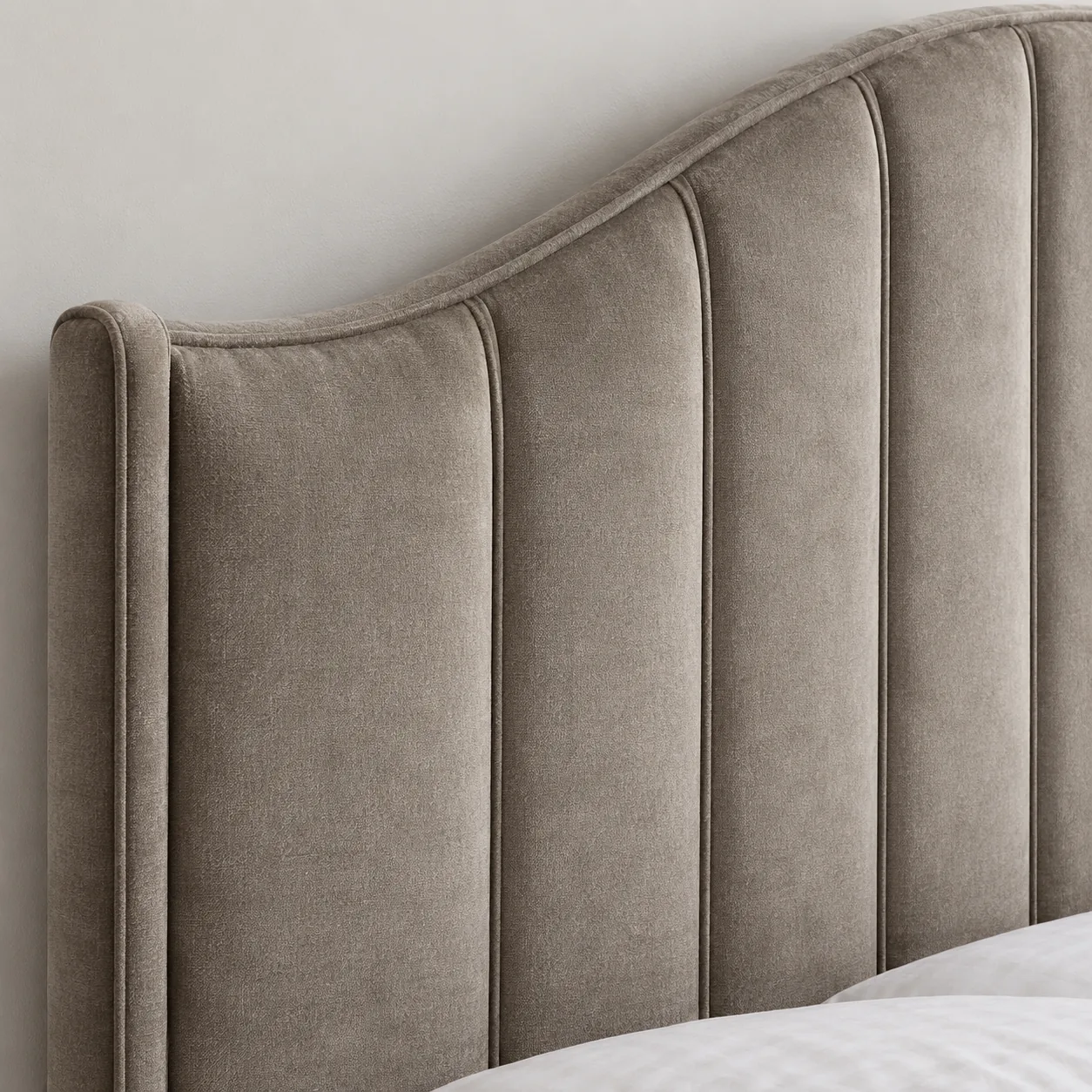
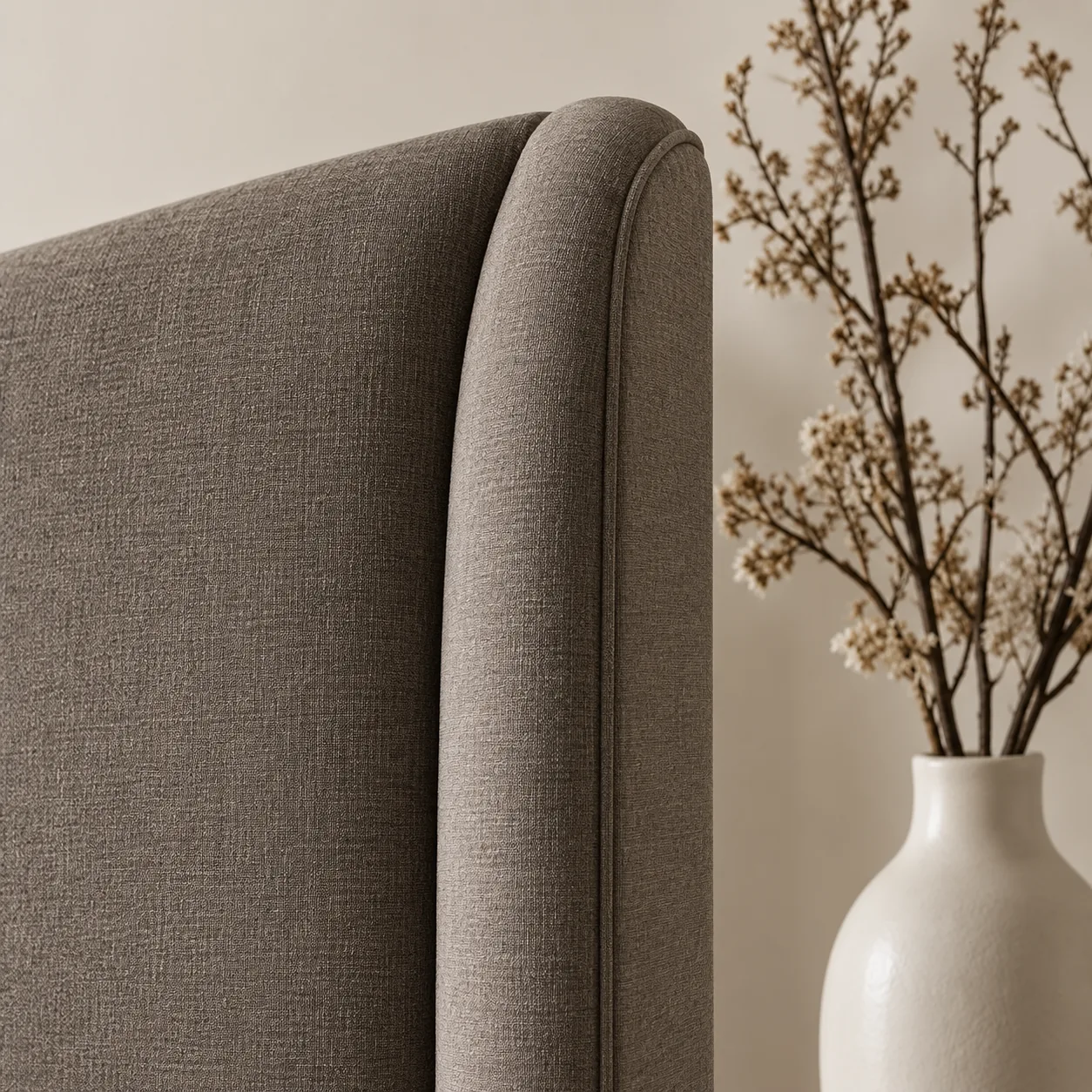
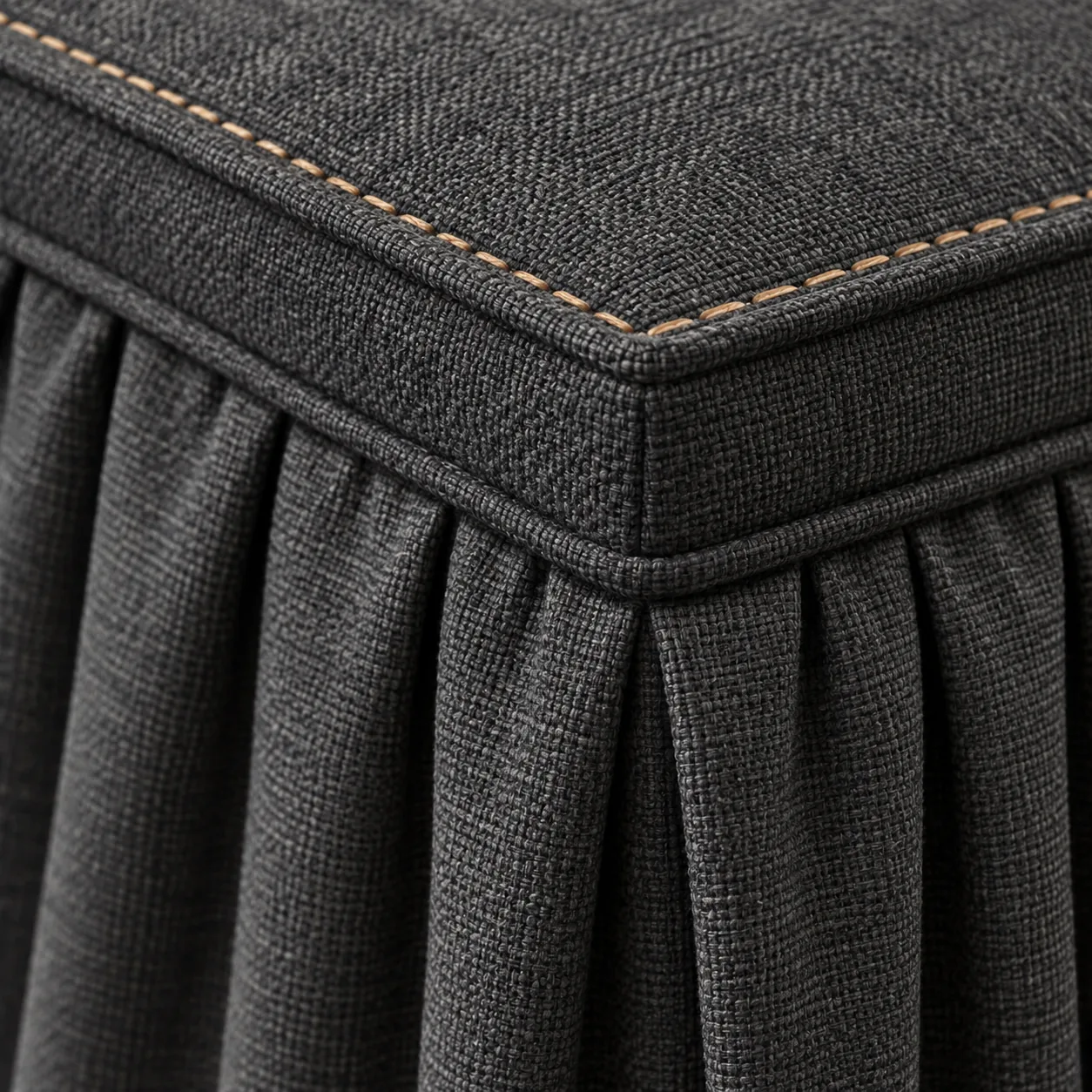
At three feet nobody sees the silhouette. They see a seam, a button and a corner. These are the eight decisions headboard reupholstery gets judged on at that distance.
The cover
Eight materials, and what each one does on a wall
A headboard is the only upholstered surface in the house that is vertical, lit from the side and leaned on rather than sat on. That changes which materials are sensible.
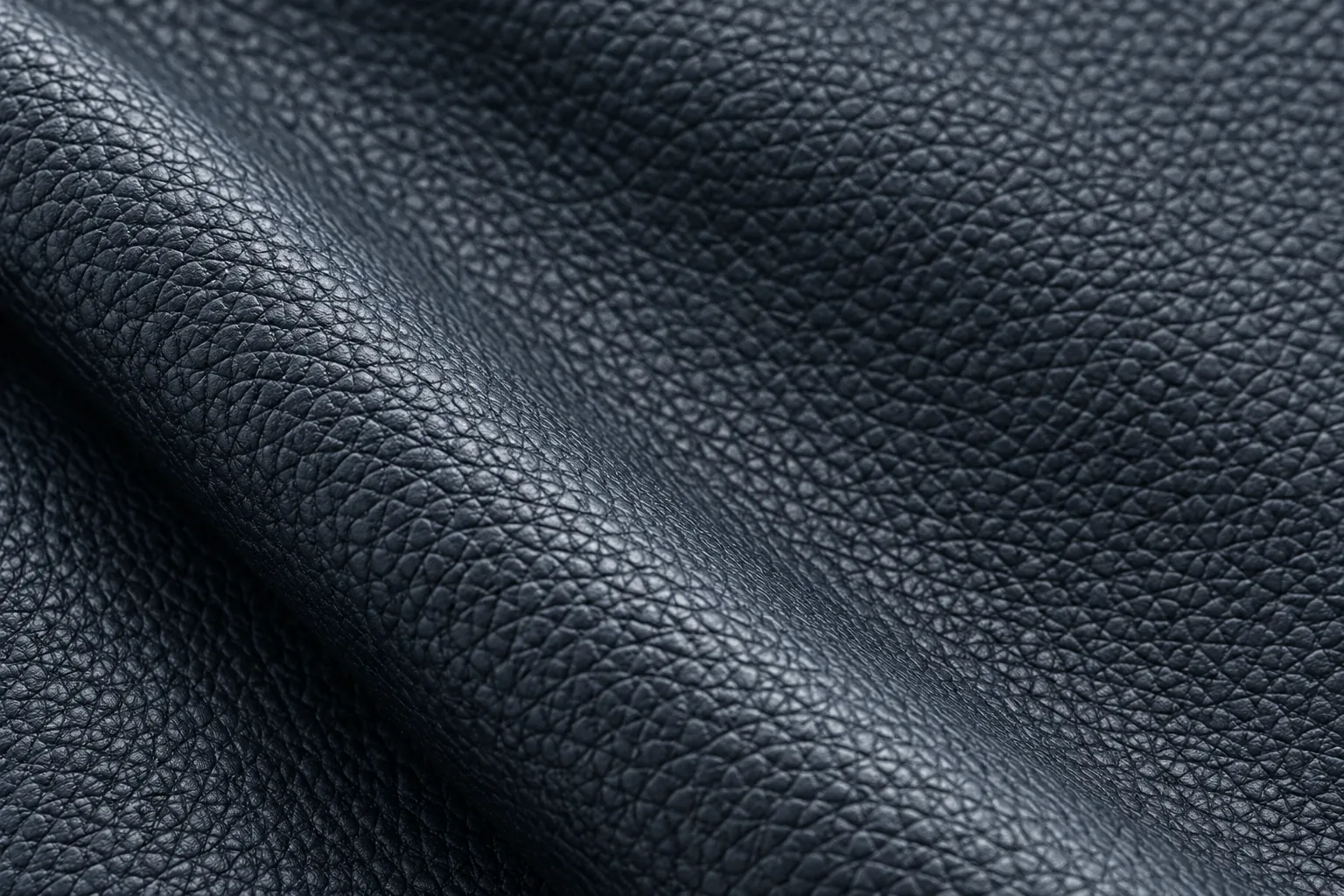
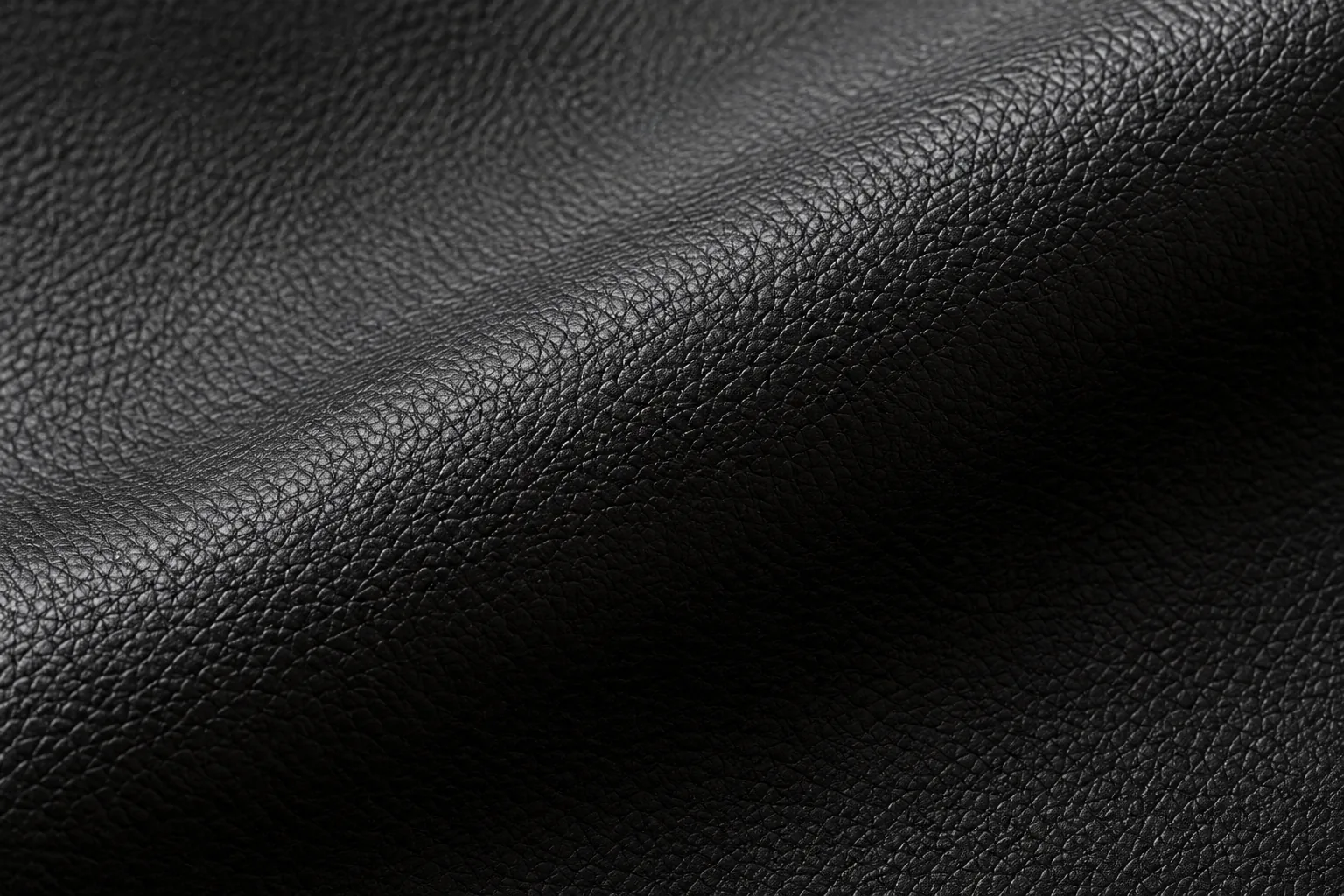
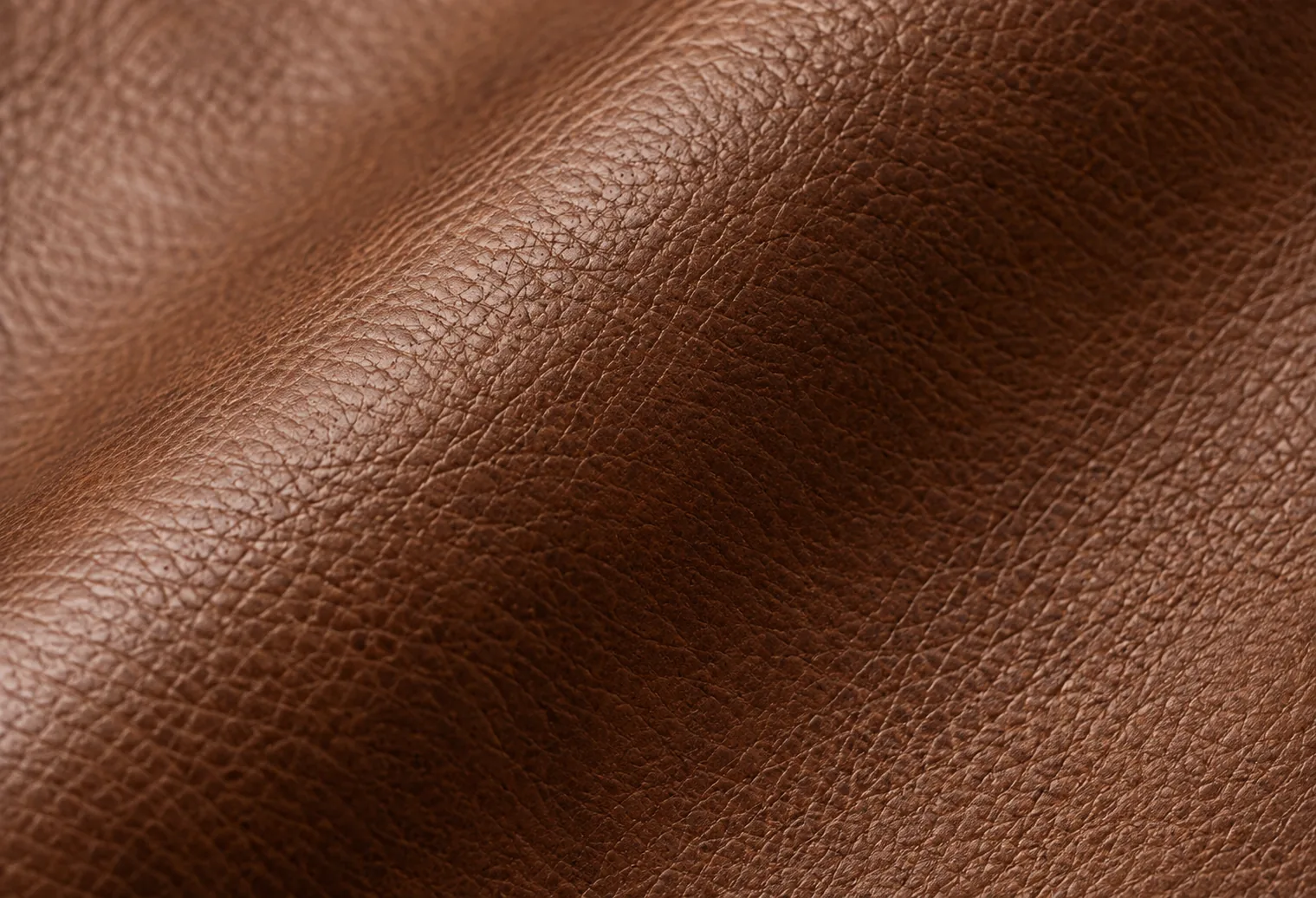
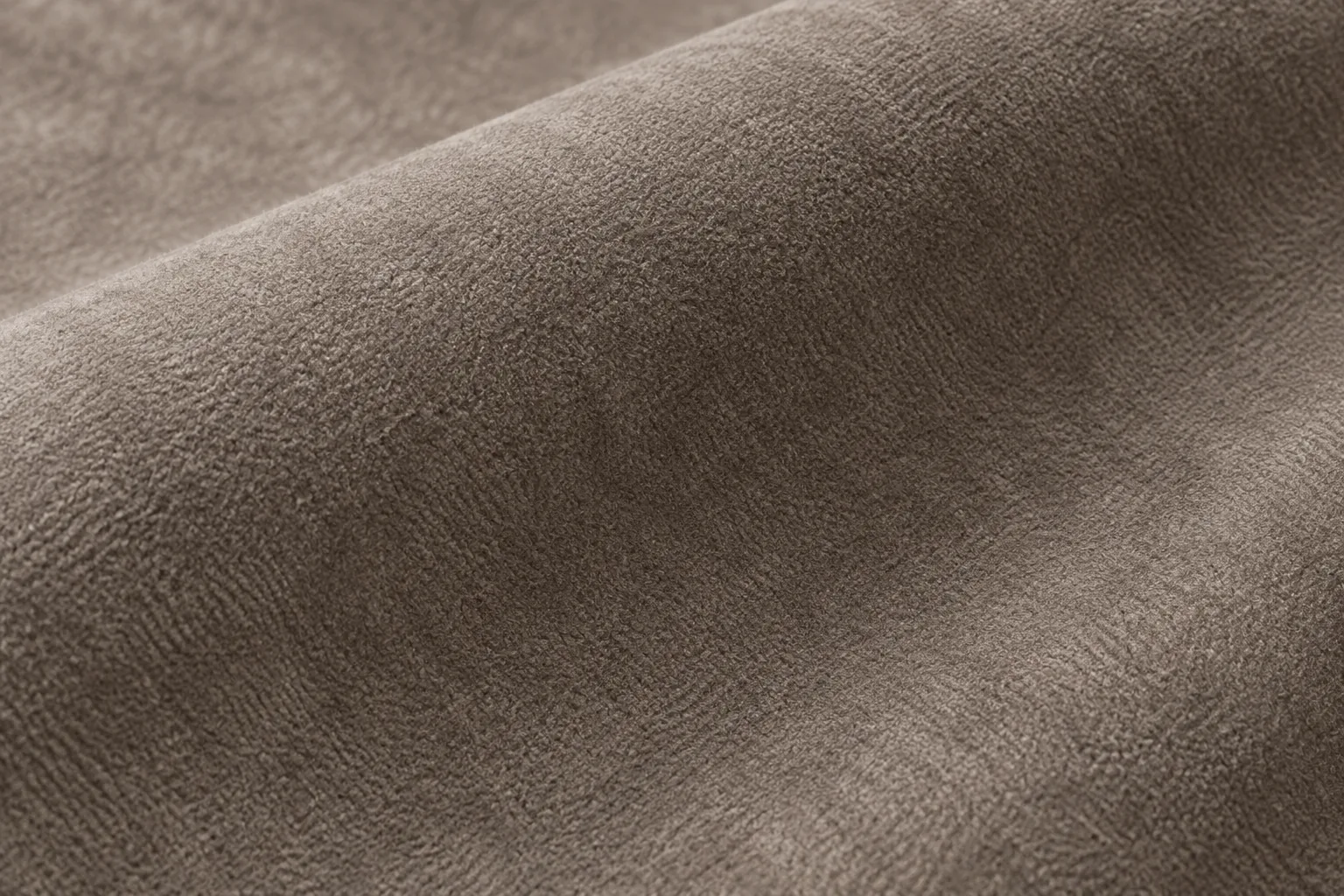

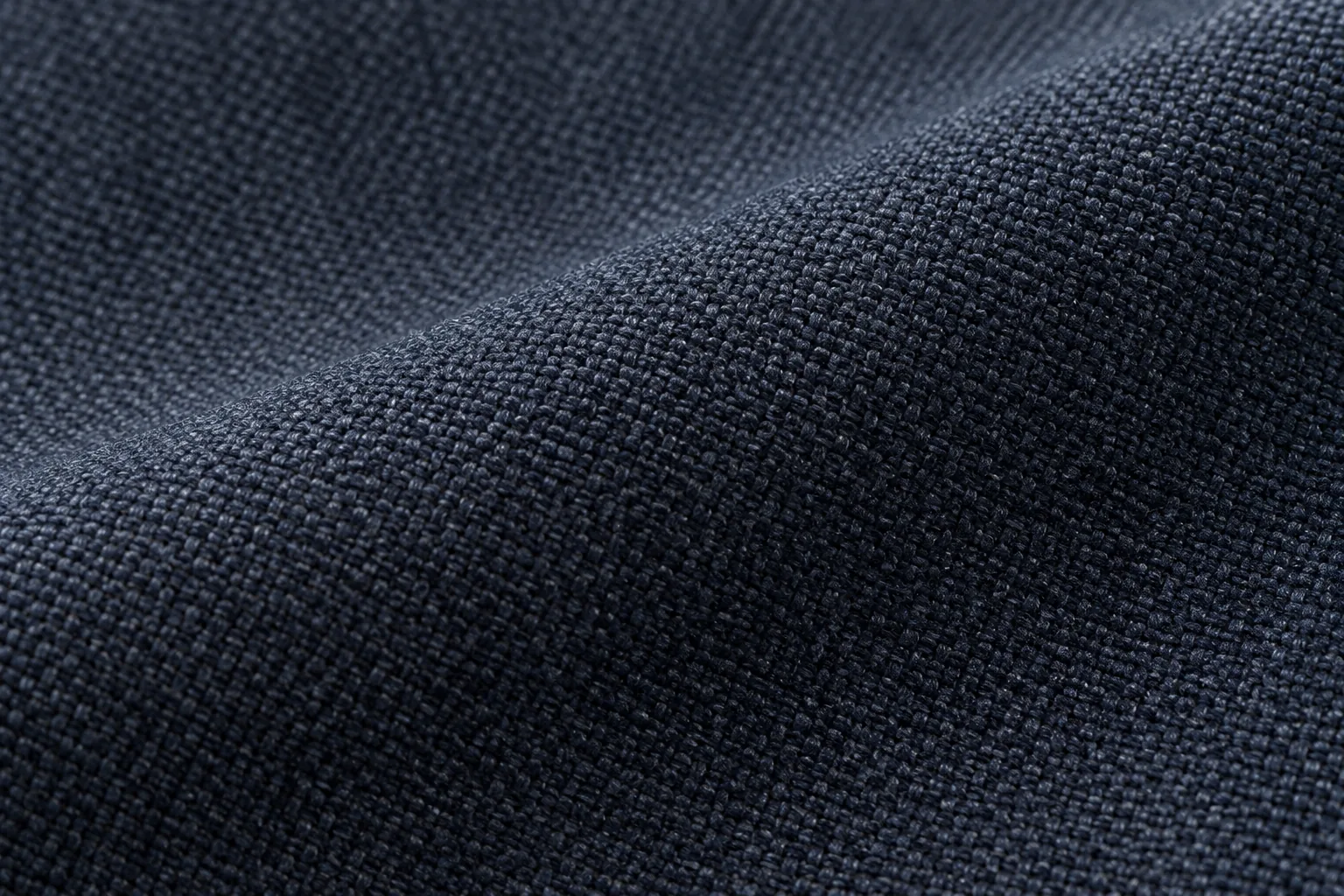
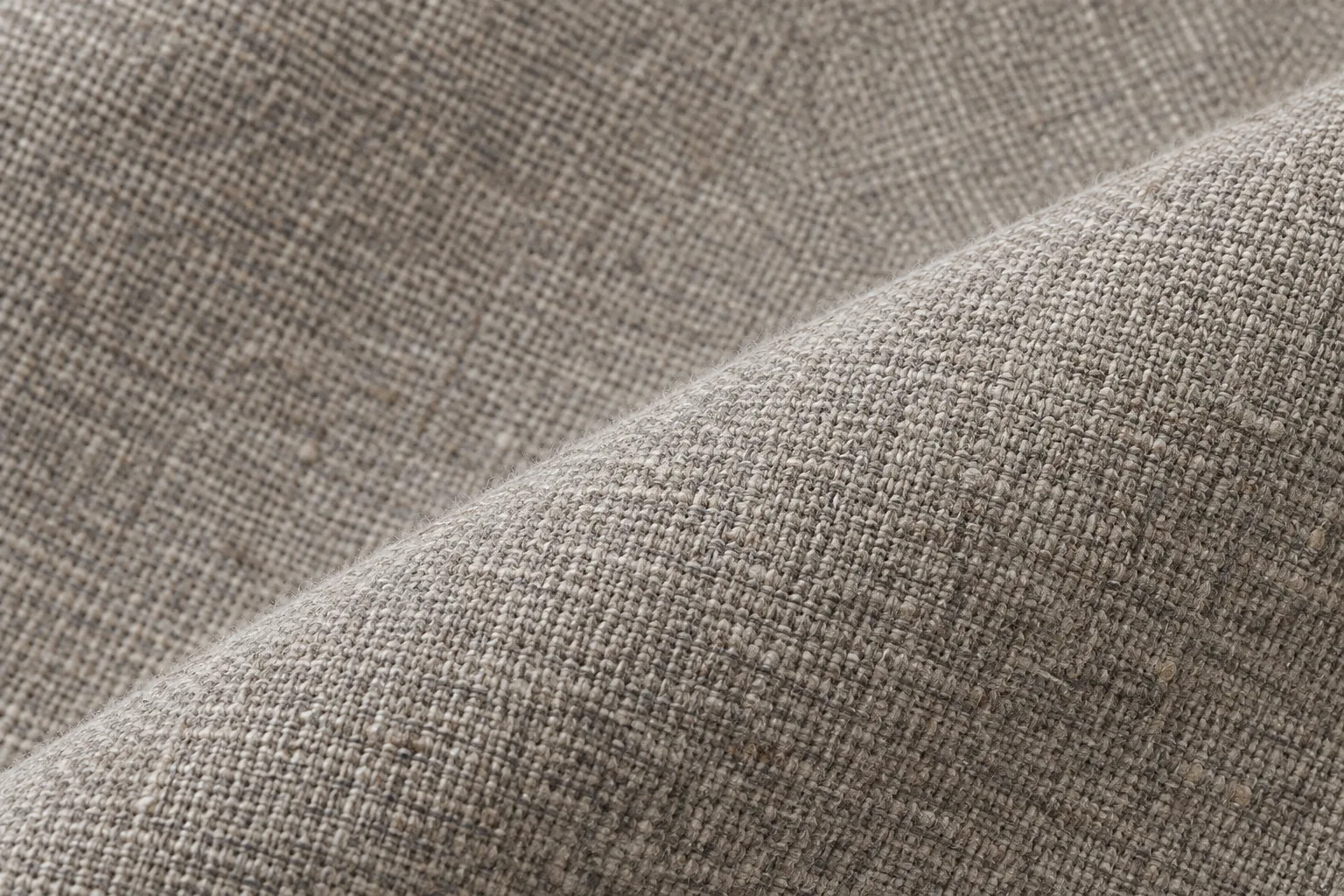
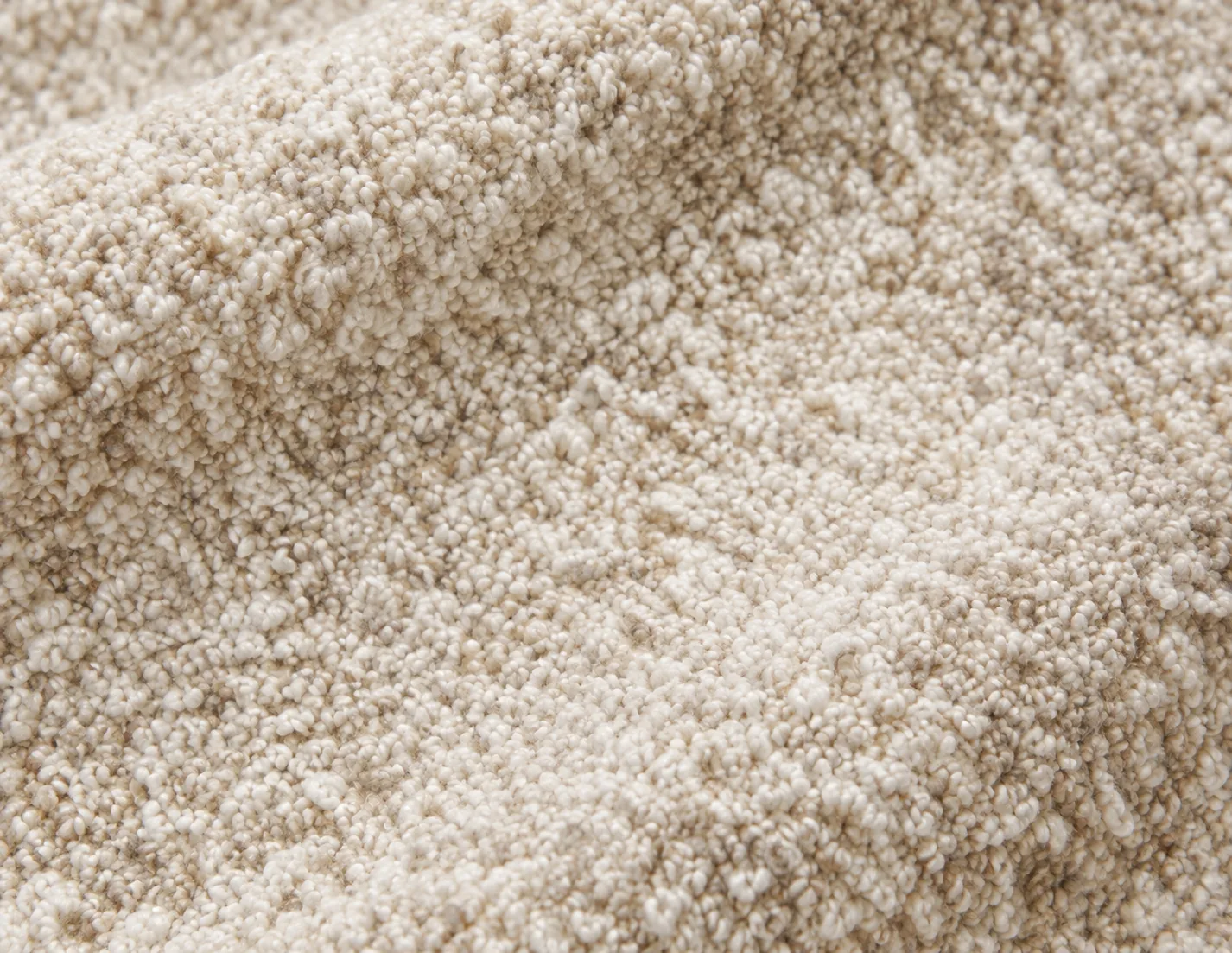
Bring your own cloth if you have it. If not, samples come to you and are looked at on the actual wall under the actual lamps. With pile goods — velvet, mohair, suede — the nap direction is settled before anything is cut, whether the cloth is yours or comes from a weaver like Kvadrat. Material is the last decision in headboard reupholstery and the easiest one to get wrong indoors.
How it hangs
Cleat, bolts, or a wall of panels
Three mounts cover almost everything. Which one you already have decides how much of the wall is in play, and in headboard reupholstery it is the first thing measured.

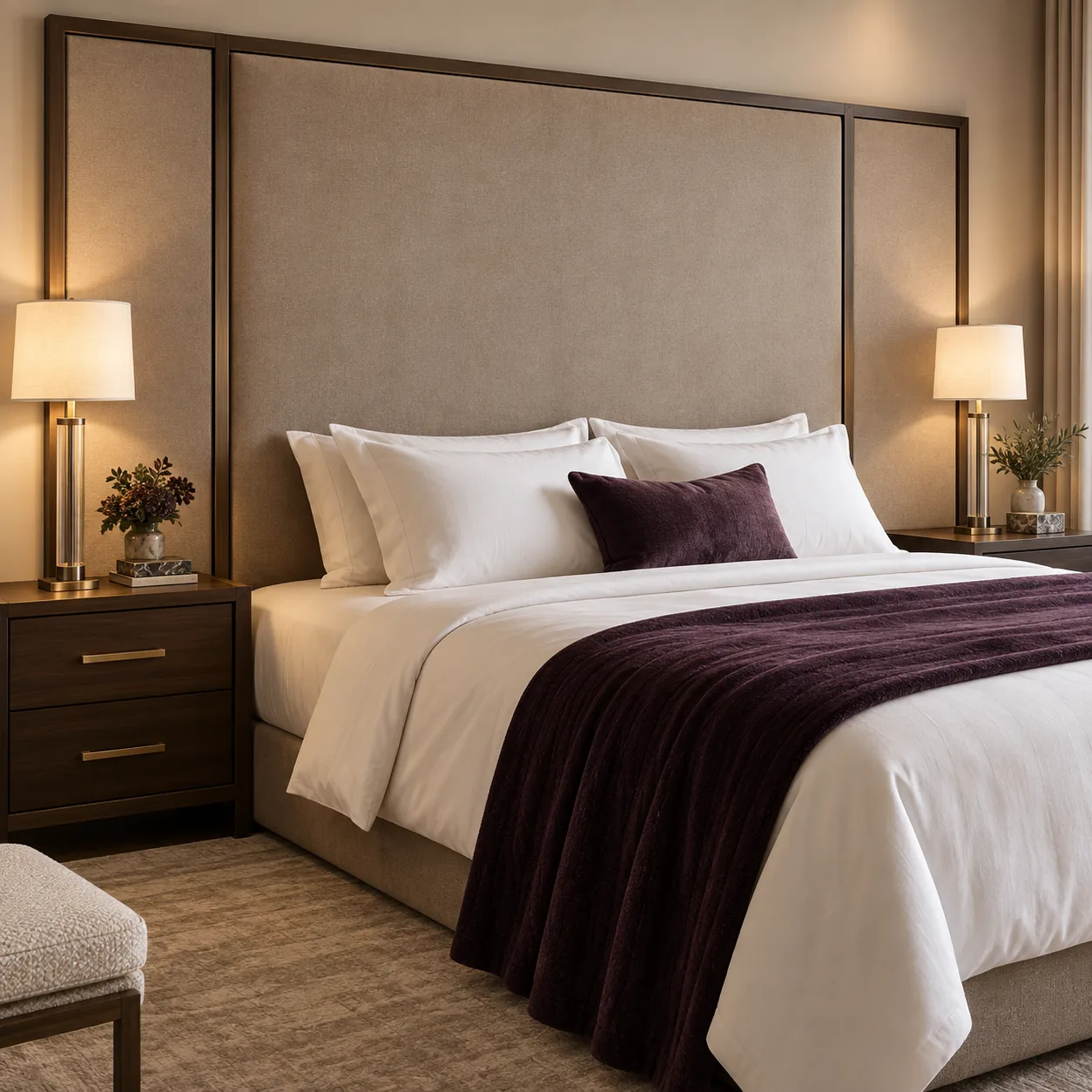
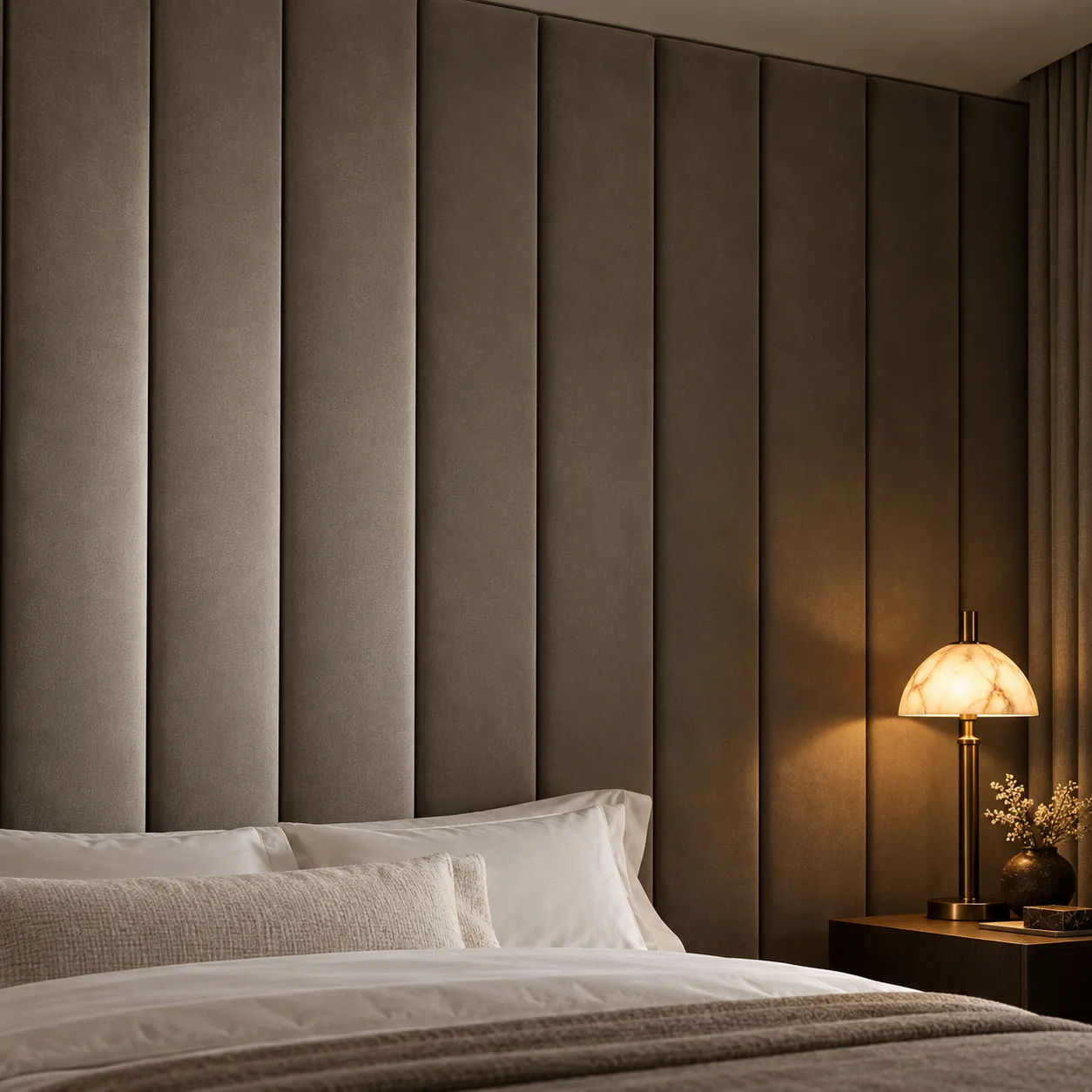
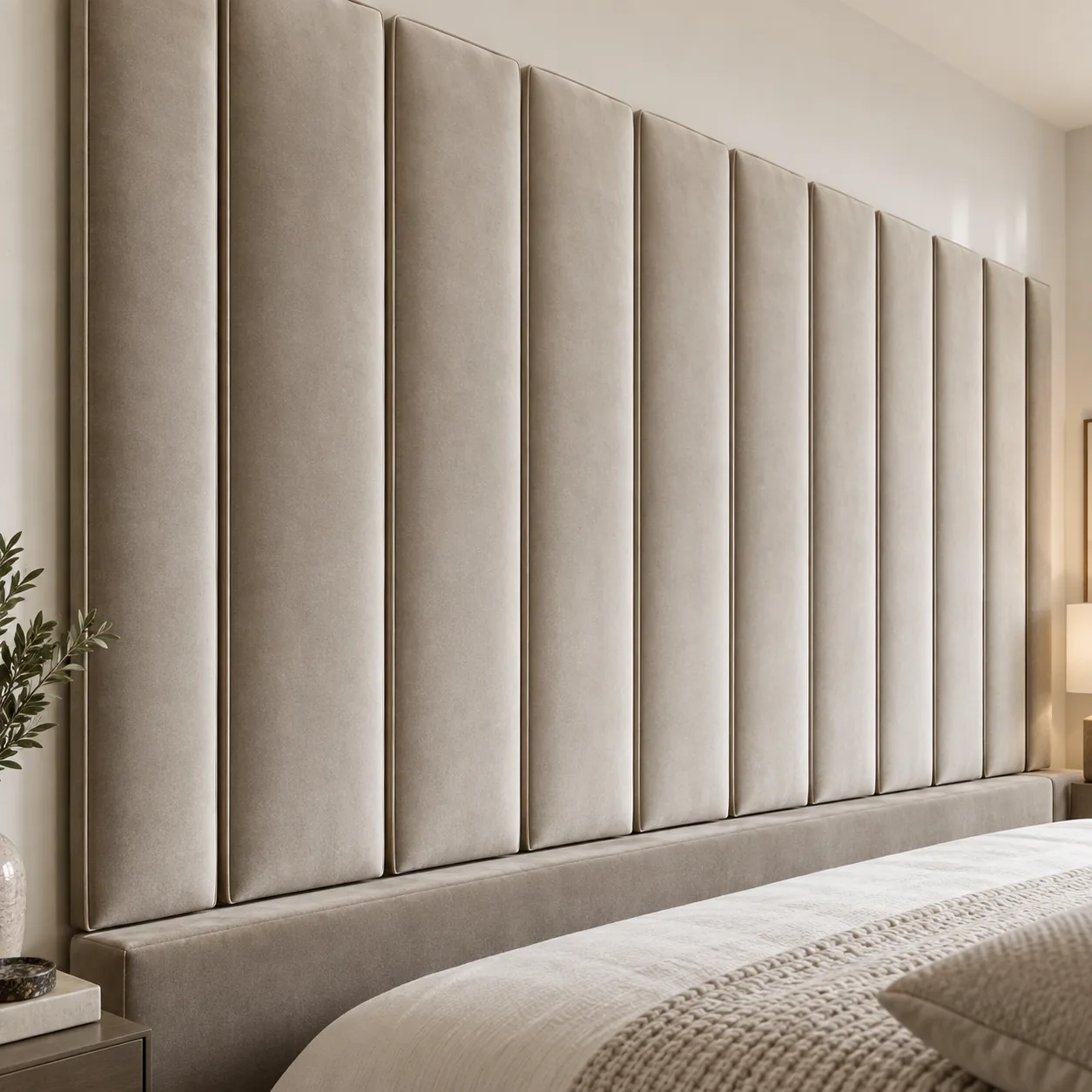
The third mount is the one nobody photographs: two legs that slide behind the divan base, bolted through the bed frame. It is the easiest to work with, because the board leaves with us and nothing on the wall is touched. If yours is bolted to the frame, say so when you call. It usually takes a site visit out of the job.
Fixed panels attached to the wall are a different kind of headboard reupholstery, and in hotels they are handled in place overnight rather than removed. That is covered on hotel furniture reupholstery. If the board does not exist yet, it is a custom upholstered piece instead.
One job, four moves
What decides whether it looks made or bought
The substrate and the fill are the same on a good board and a bad one. In headboard reupholstery the difference is entirely in these four moves, in this order.
-
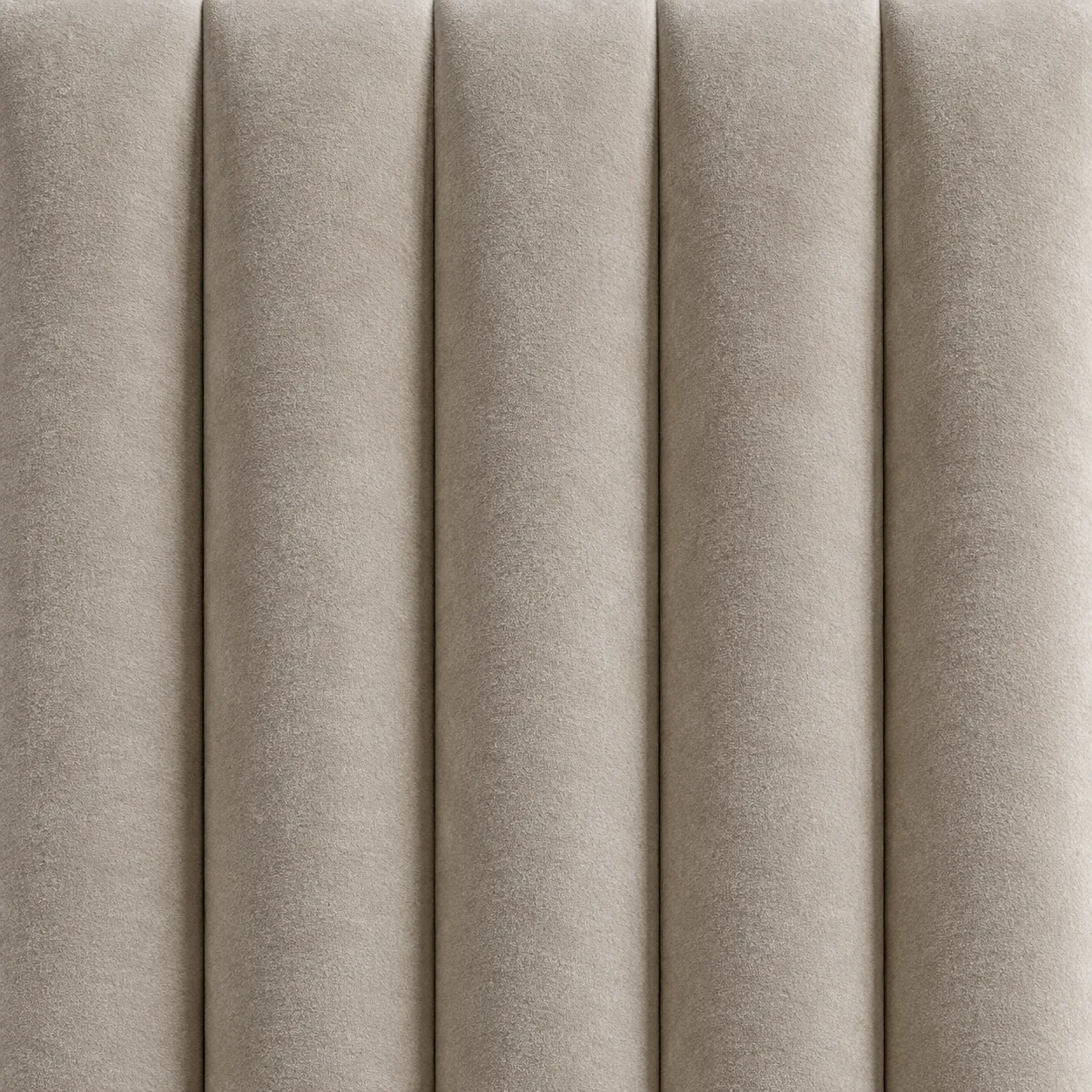
Set the channels out from the center
Flutes are laid out from the middle of the board, never from one end. Start at an end and the error collects in the last channel, where the eye goes first because it is next to the wing.
-
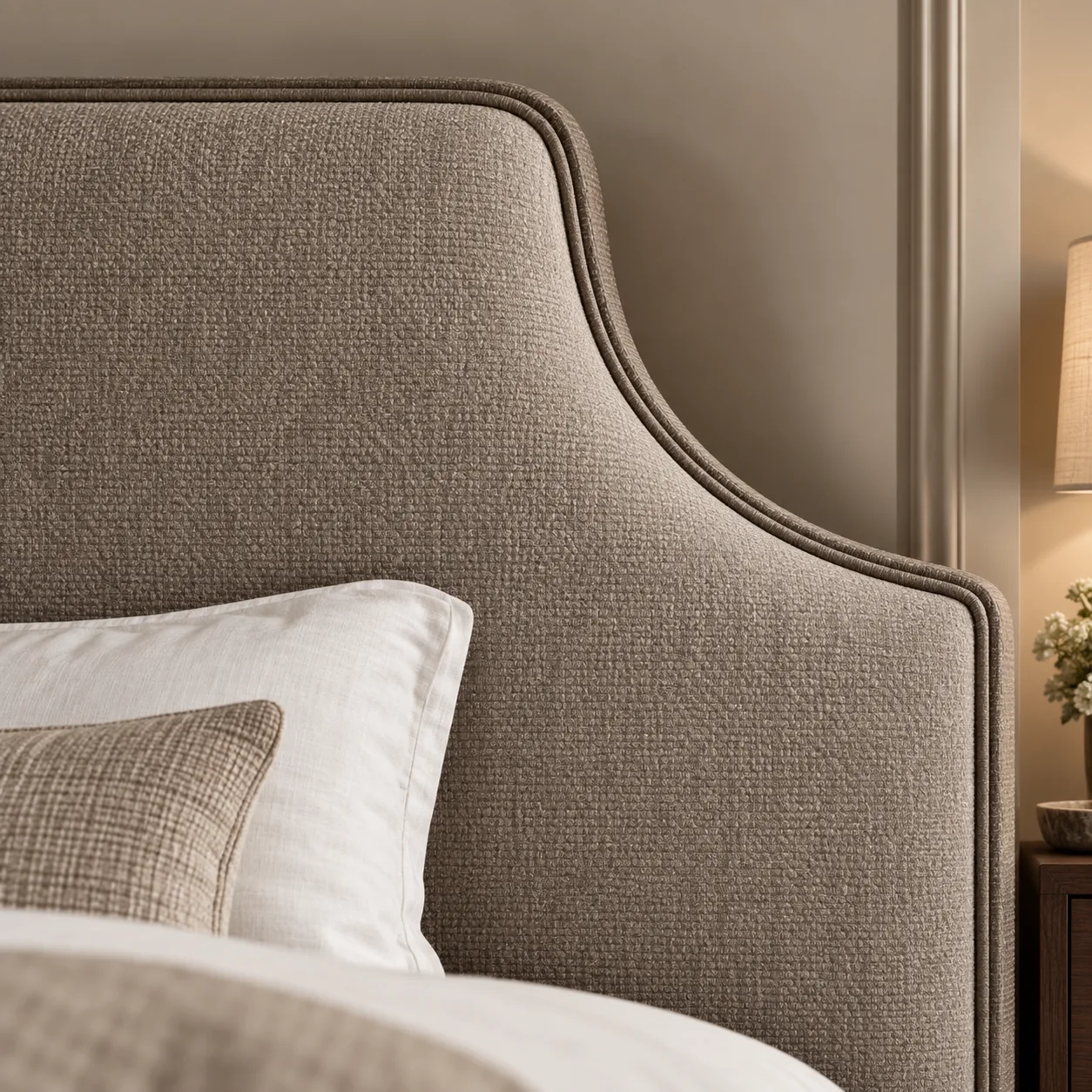
Cut the corner before the cover is on
The shape is cut in the substrate and the foam, then the cover follows it. Cutting the curve into the cover instead is what makes a shaped board look shrink-wrapped.
-
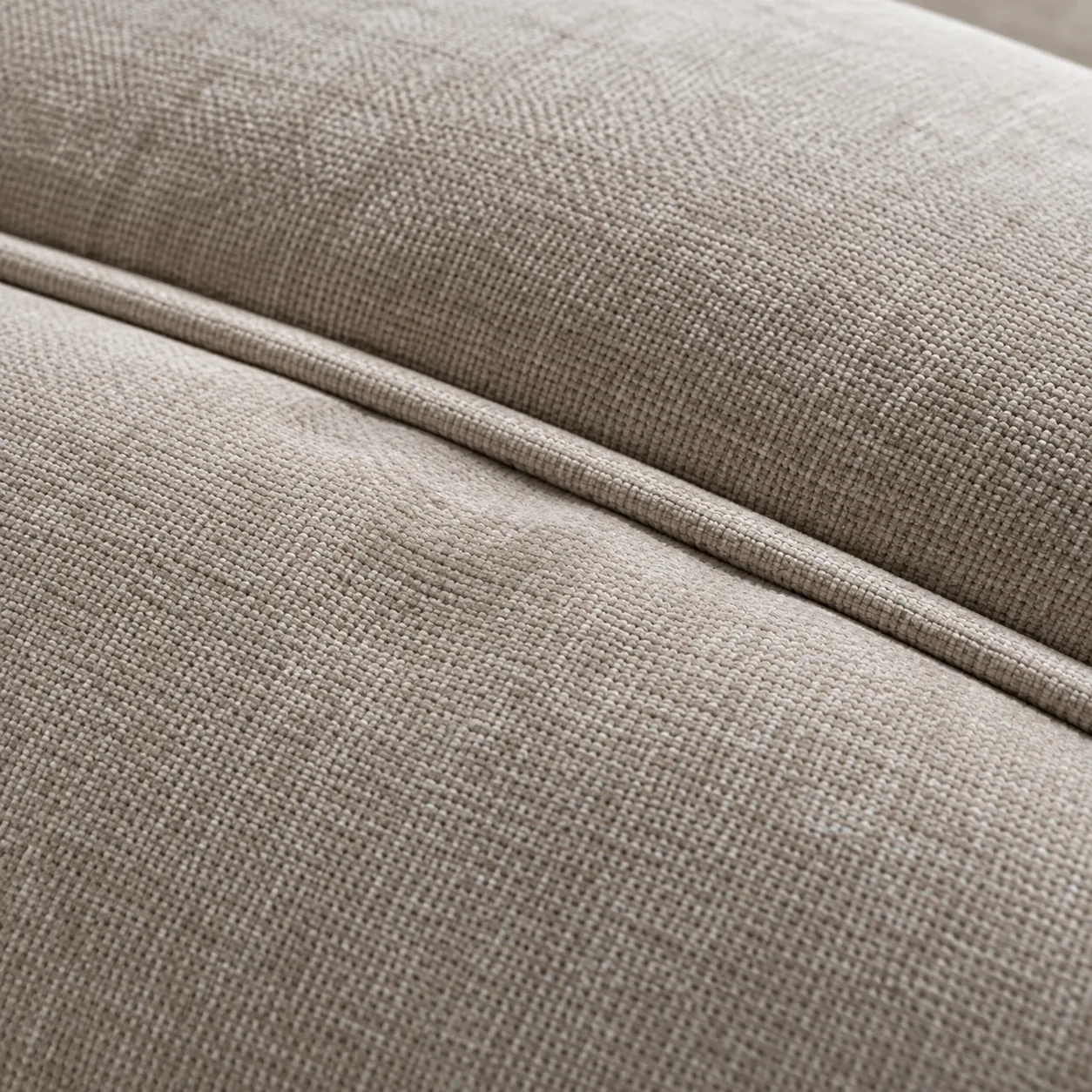
Run the welt in one length
The welt goes around the whole outline without a joint wherever the length of cloth allows. Where a joint is unavoidable it is put at the bottom edge, behind the mattress.
-
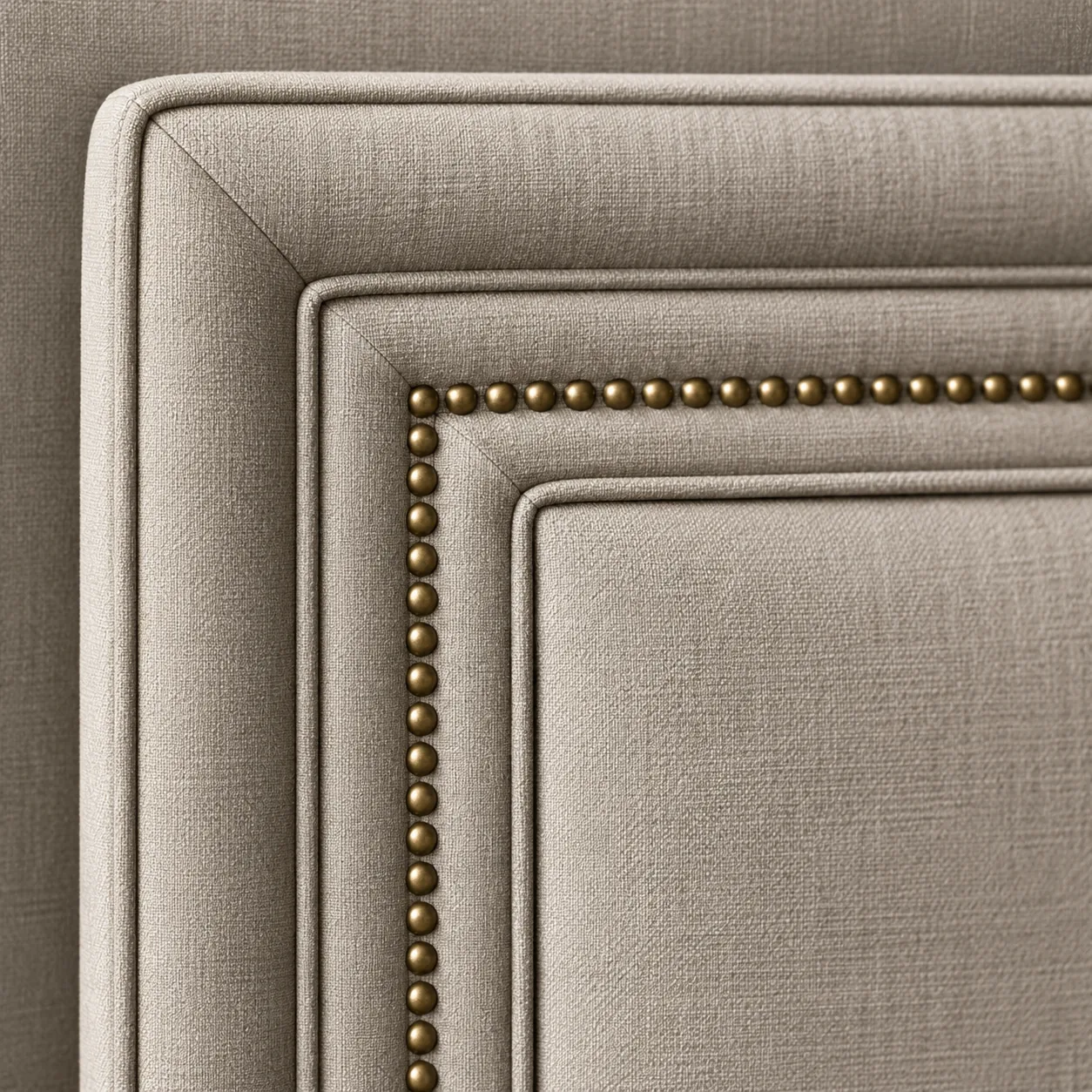
Set the trim on the board, not on paper
Nailhead spacing is walked out on the finished face and adjusted so the corners land on a stud, not a gap. A drawing cannot know where the corner will fall once the welt has taken up its width.
Photographed across several boards. The four moves are identical whatever the silhouette, which is why the shape costs the same whichever one you pick.
The order of work
Six steps, and the shape is settled in the second one
Headboard reupholstery runs in one order, and everything expensive to change is settled before anything is cut.
Photograph the board, the wall and the mount
Three photos from the doorway, plus one of the back of the board or the bracket if you can reach it. That last one answers most of what a visit would.
Agree the two fixed numbers, then the shape
Mattress width and mount height come first. Once those are written down, every silhouette on this page is on the table at the same price.
Samples, on your wall, under your lamps
Material is chosen last and chosen in the room. Colors that were picked in daylight are the ones people regret.
Collection, or a visit if it is fixed
A board on a cleat or bolted to a frame comes off in minutes and leaves with us. Panels attached to the wall are worked on where they are.
Strip, read the substrate, confirm the plan
The only point where a quote can change, and it changes for one reason: a board that cannot be reused. You hear the same day, with photographs.
Build, rehang and level
Leveled to the wall and to the nightstands, not to the floor. Old floors are not level and nobody looks at the floor from the bed.
Asked before booking
Six questions, answered plainly
What does headboard reupholstery actually involve?
The old cover comes off, the substrate and the fill underneath are inspected, a new face is built and cut to whatever silhouette you have chosen, the edge is finished, and the board goes back on its existing mount. Because nobody sits on a headboard, there is no seat height or frame joint to return to, so headboard reupholstery leaves the shape open in a way it never is on a chair or a sofa.
Can you change the shape, not just the fabric?
Yes, and it is the main reason to have headboard reupholstery done at all. The only fixed points are the width the board has to cover and the height of the mount it hangs on. Above that line the outline, the height, the tufting and the edge treatment are all open, and choosing a different shape costs the same as choosing the same one again.
Do you have to take the headboard away?
Usually yes, and it is the cheaper route. A board on a French cleat or bolted through the bed frame comes off in minutes. Panels fixed to the wall are the exception. Those are stripped and recovered where they are, with the floor and the bed covered first.
Will my existing mount still work afterwards?
In most cases it is reused exactly as it is, which is why it is measured before anything else. If you want the board significantly taller or wider, the cleat may need to move up or a second one may be added. That is four screws into studs and it is done in the bedroom, not the workshop.
How long does it take?
Headboard reupholstery on a single board takes weeks rather than days. What moves the date is the material, not the work: a cloth held in stock is quick, and a special order is not. Deep buttoning and a shaped top edge add build time. You get a date at the quote rather than after the strip.
Can you work with fabric I already have?
Yes. Bring it, or have it shipped to us, and we will tell you before anything is cut whether there is enough for the shape you want. Narrow flutes and deep buttoning both take noticeably more cloth than a plain face of the same size, which is the one place a shape decision does change the material bill.
Start with three photographs
Send the board, the wall and the bracket
That is enough to price headboard reupholstery in most cases, and enough to tell you whether your board is a recover or a rebuild before anyone visits.