
Home/Commercial/Trade/Antique dealers
Trade partner program · Antique dealers · NYC and NJ
Sell it with its age intact.
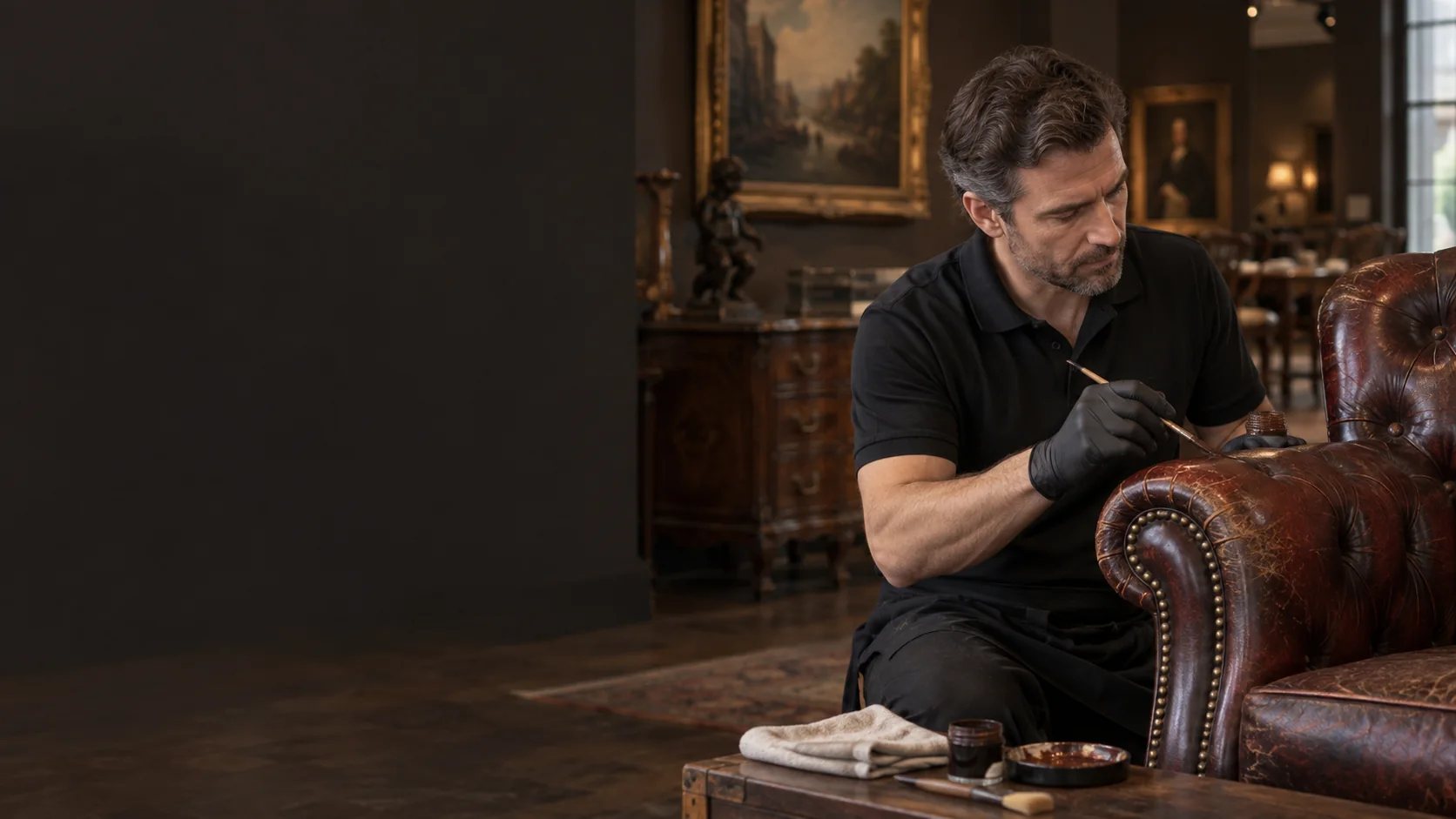
Antique leather furniture restoration for dealers, galleries and estate buyers. We stop where the value is, not where the leather stops looking old.
The argument
Most damage to an antique is the restoration.
A piece stripped to bare hide and sprayed one flat color photographs well and sells for less. We work the other way around: the wear a buyer pays for is the part we protect. That is what antique leather furniture restoration for the trade should mean.
 Over-restoredStripped, sprayed, uniform. The age is gone, and the price went with it.
- Restored with its ageSound, clean and fed, with the shading at the arms and edges left in place.
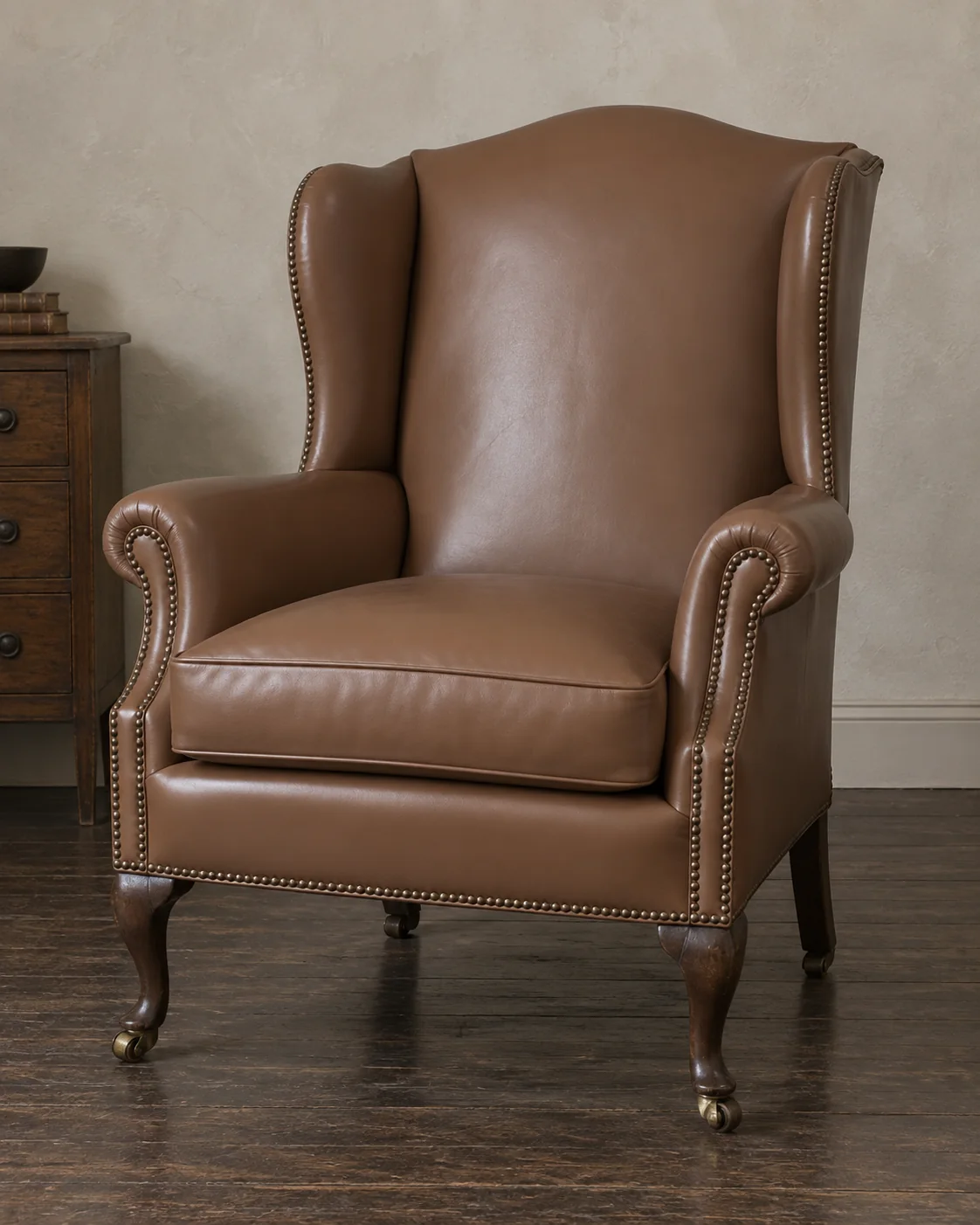 Over-restored
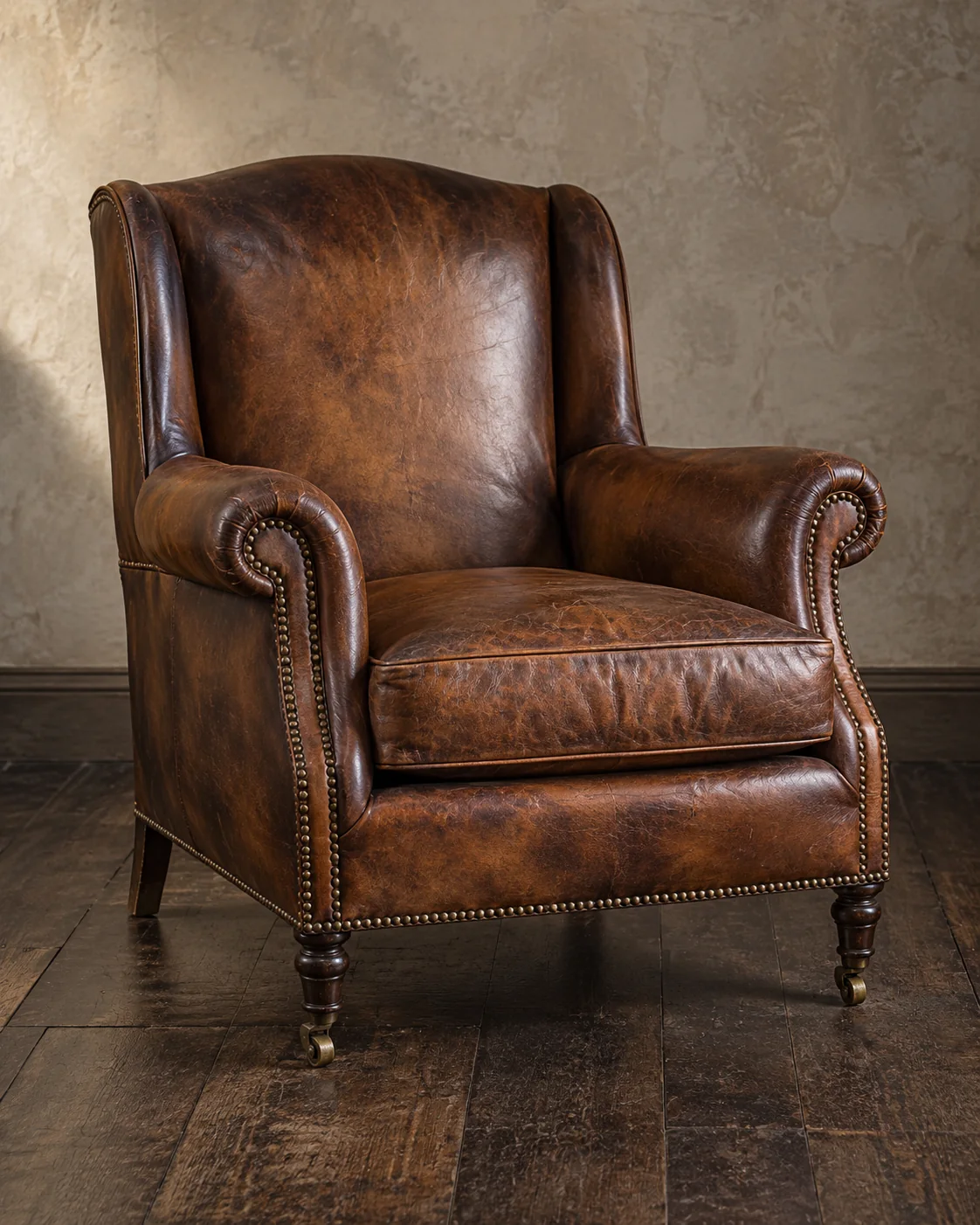 Restored with its age
What a buyer pays for
The details we protect first.
- PatinaThe darker shading hands leave over decades.
- Original nailsKept, cleaned and reset, never replaced.
- ButtoningPleats and buttons left as they were set.
- The frameProtected while we work; wood repair if needed.
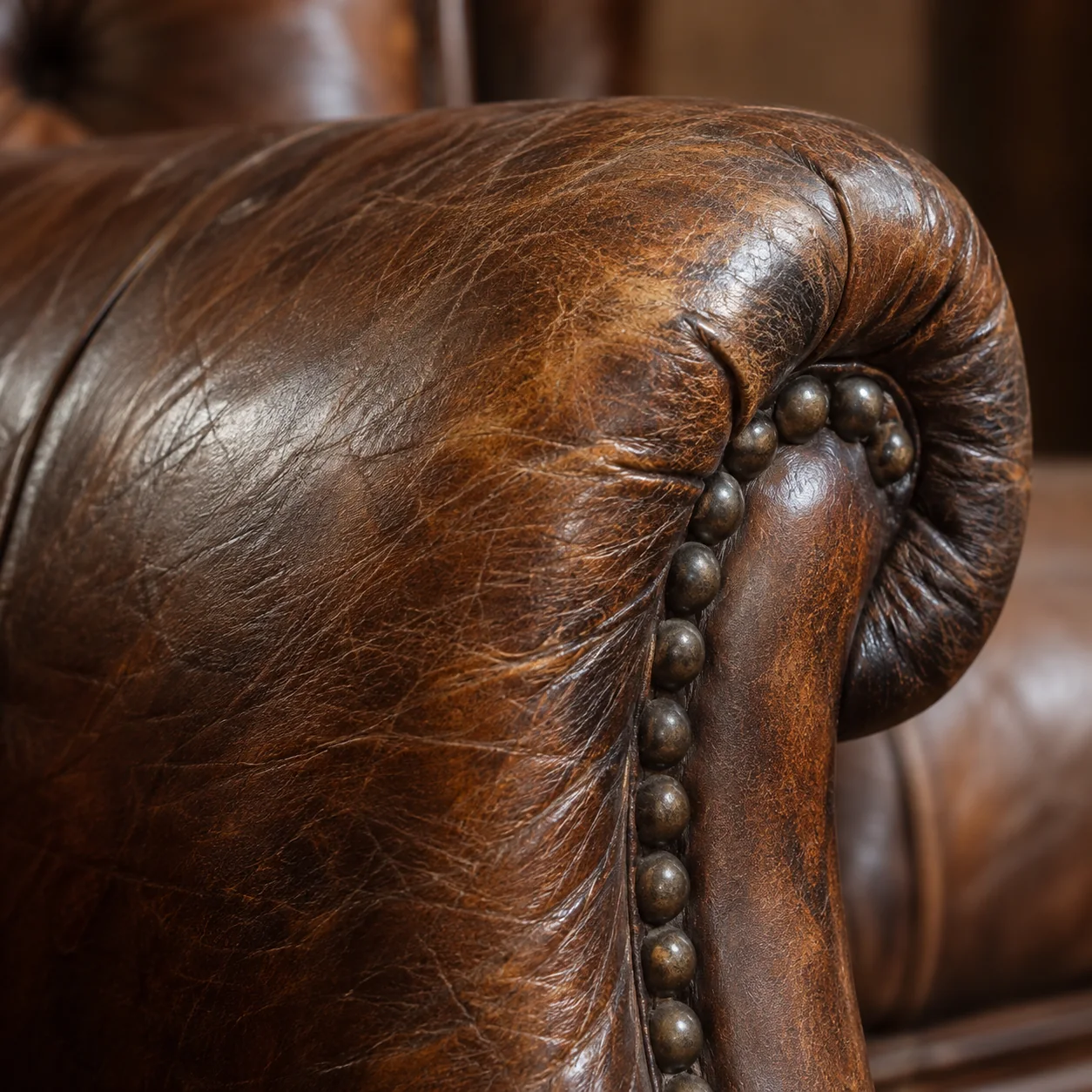 Patina
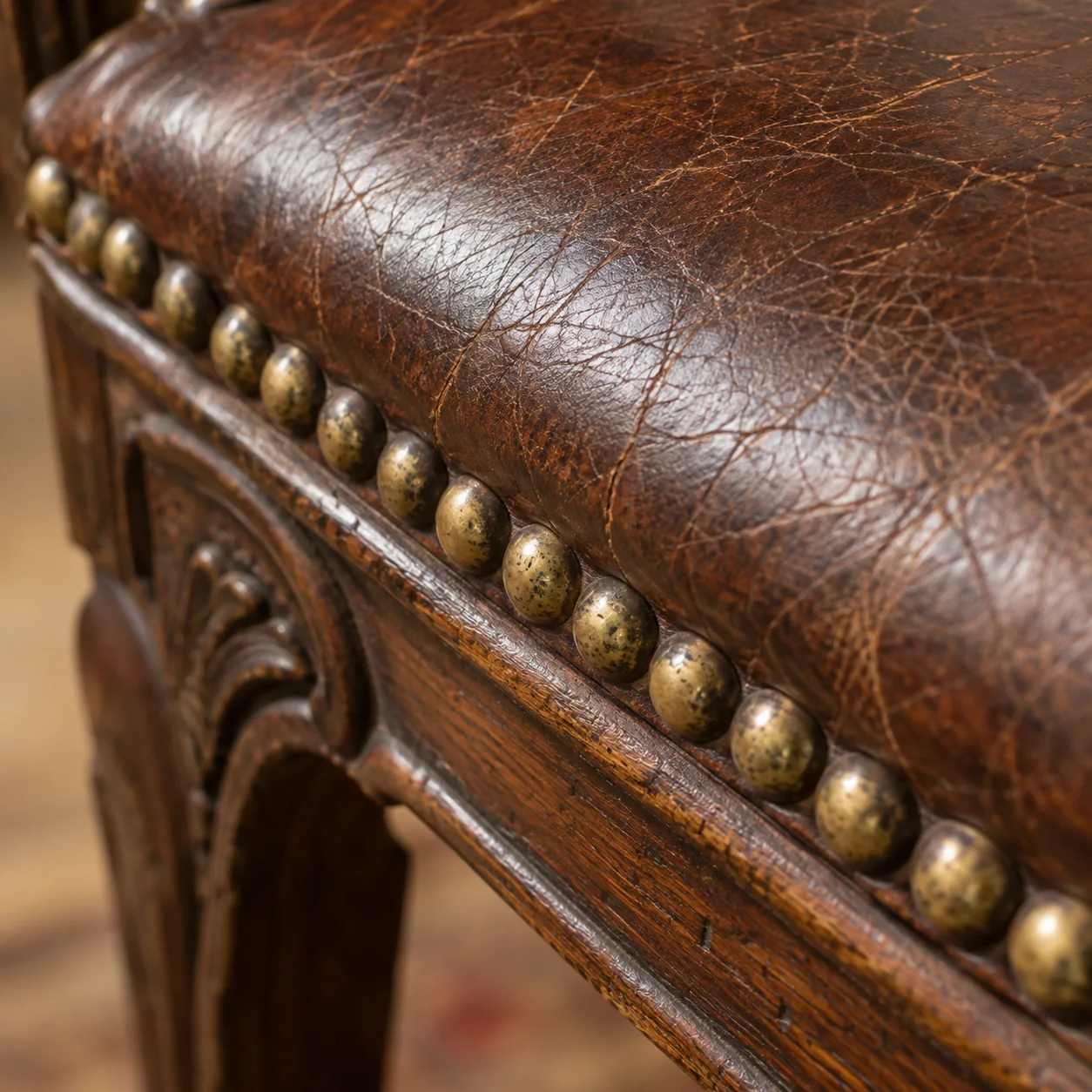 Original nails
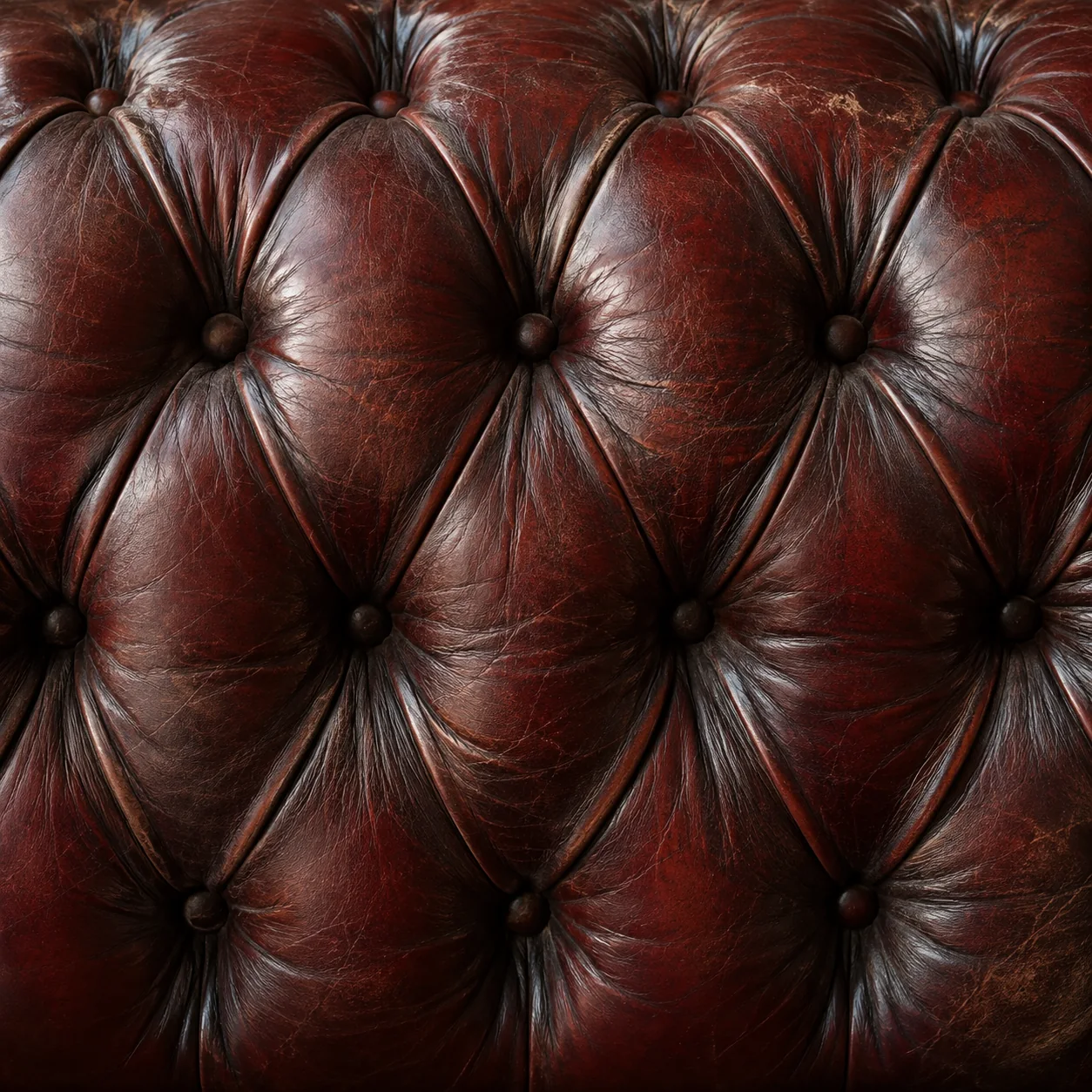 Buttoning
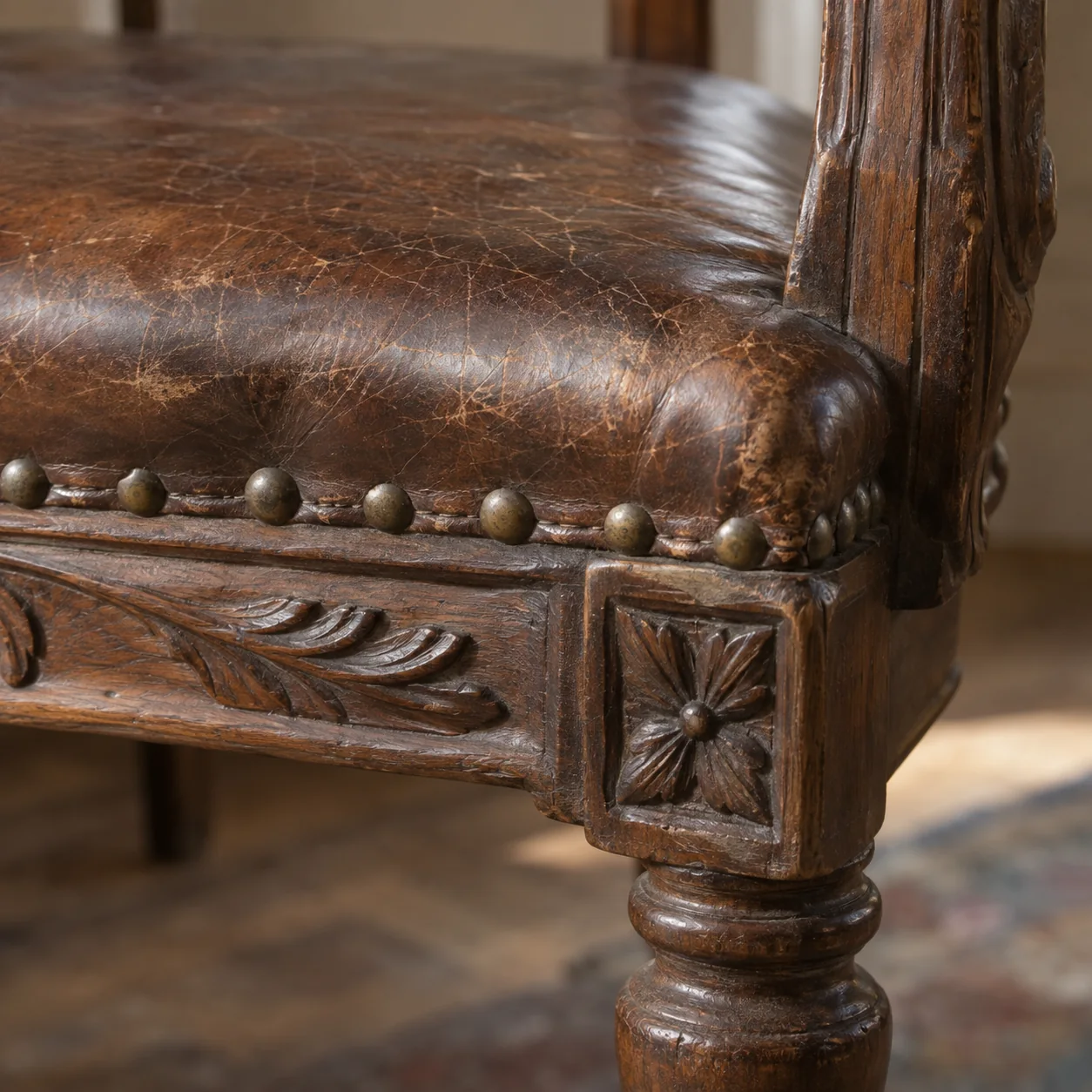 The frame
Method
How antique leather furniture restoration runs.
The same order on every piece. Each step decides whether the next one is needed.
- 01
Identify the leather
Aniline, finished or re-covered before. Leather types.
- 02
Test the hide
Red rot and weak fiber found before anything is wet.
- 03
Clean, then judge
Dirt off first. Much of the "damage" goes with it. Cleaning.
- 04
Consolidate and repair
Tears backed from below, loss filled. Tear and hole repair.
- 05
Color by hand
Translucent layers, matched to the age around it. Color restoration.
- 06
Feed and finish
Fed in stages, finished to the sheen of the period. Conditioning.
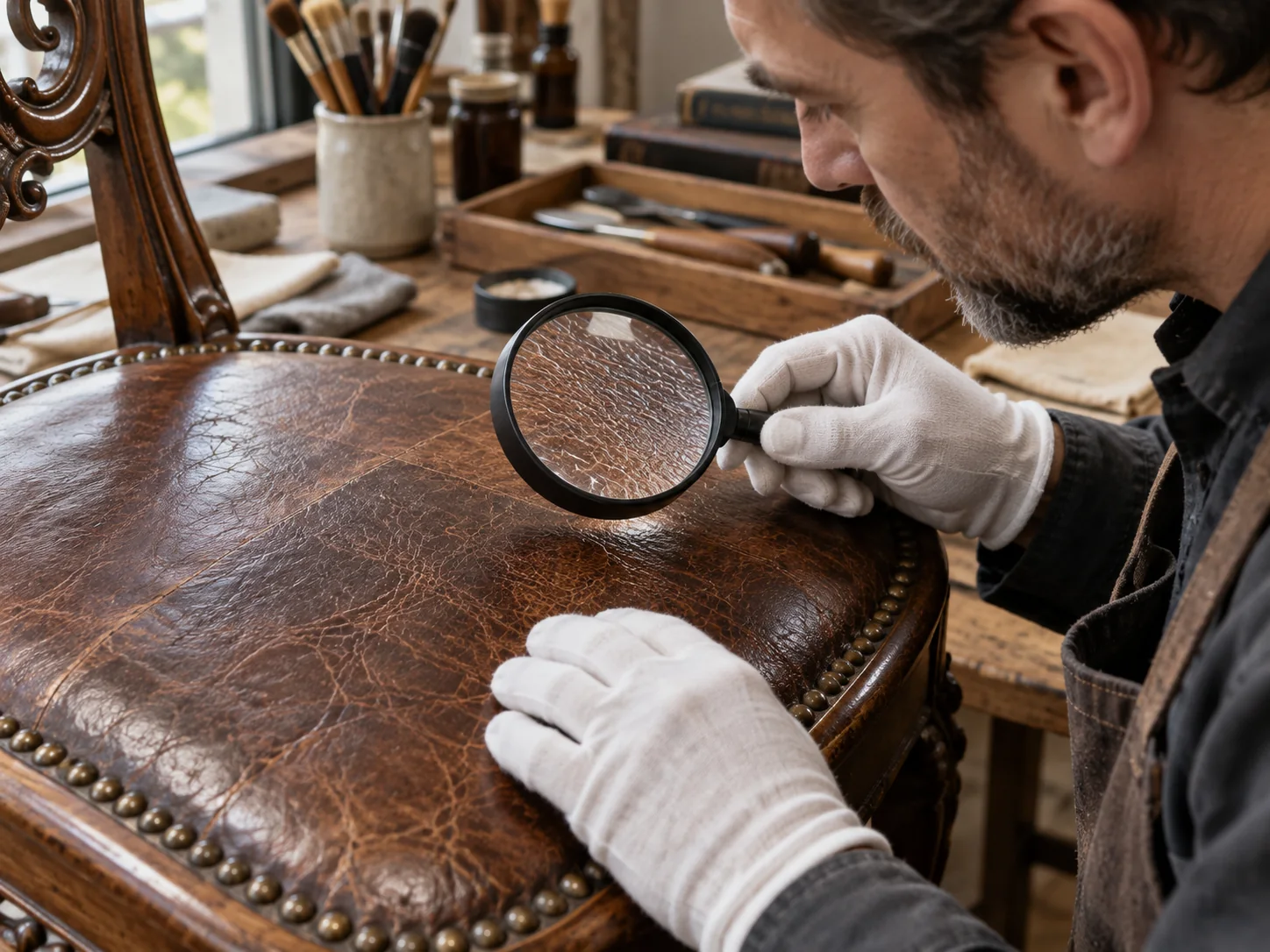
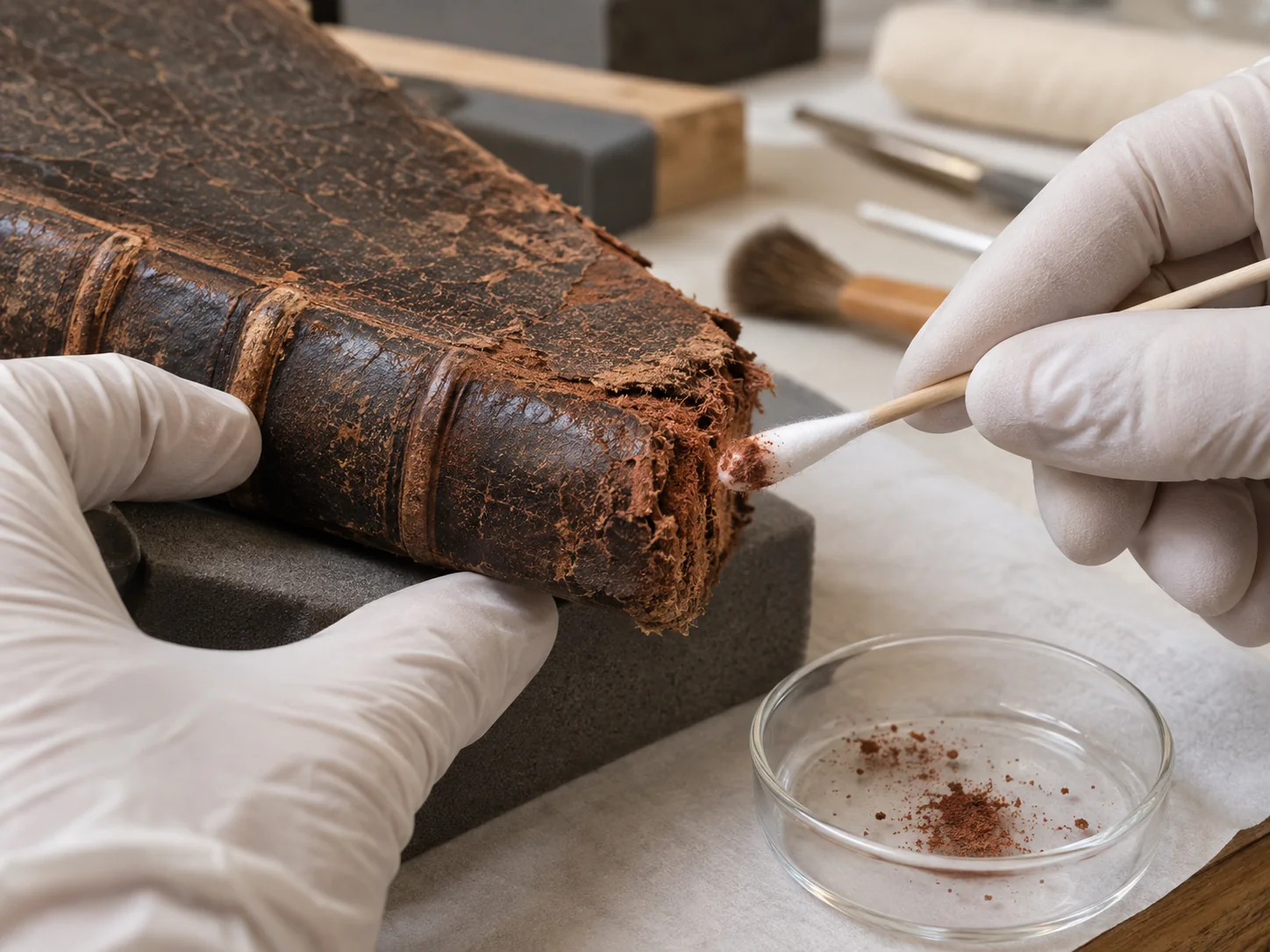
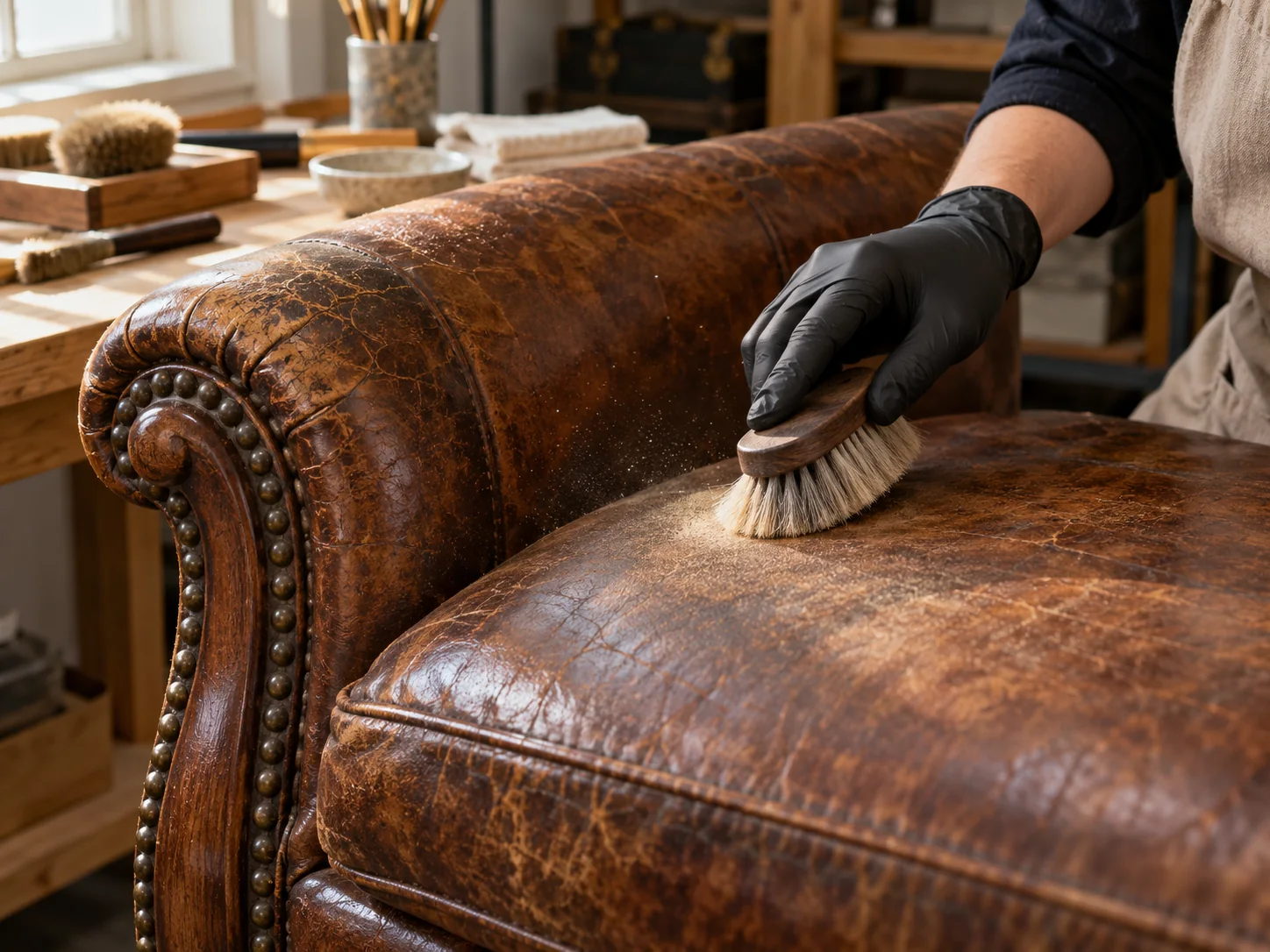
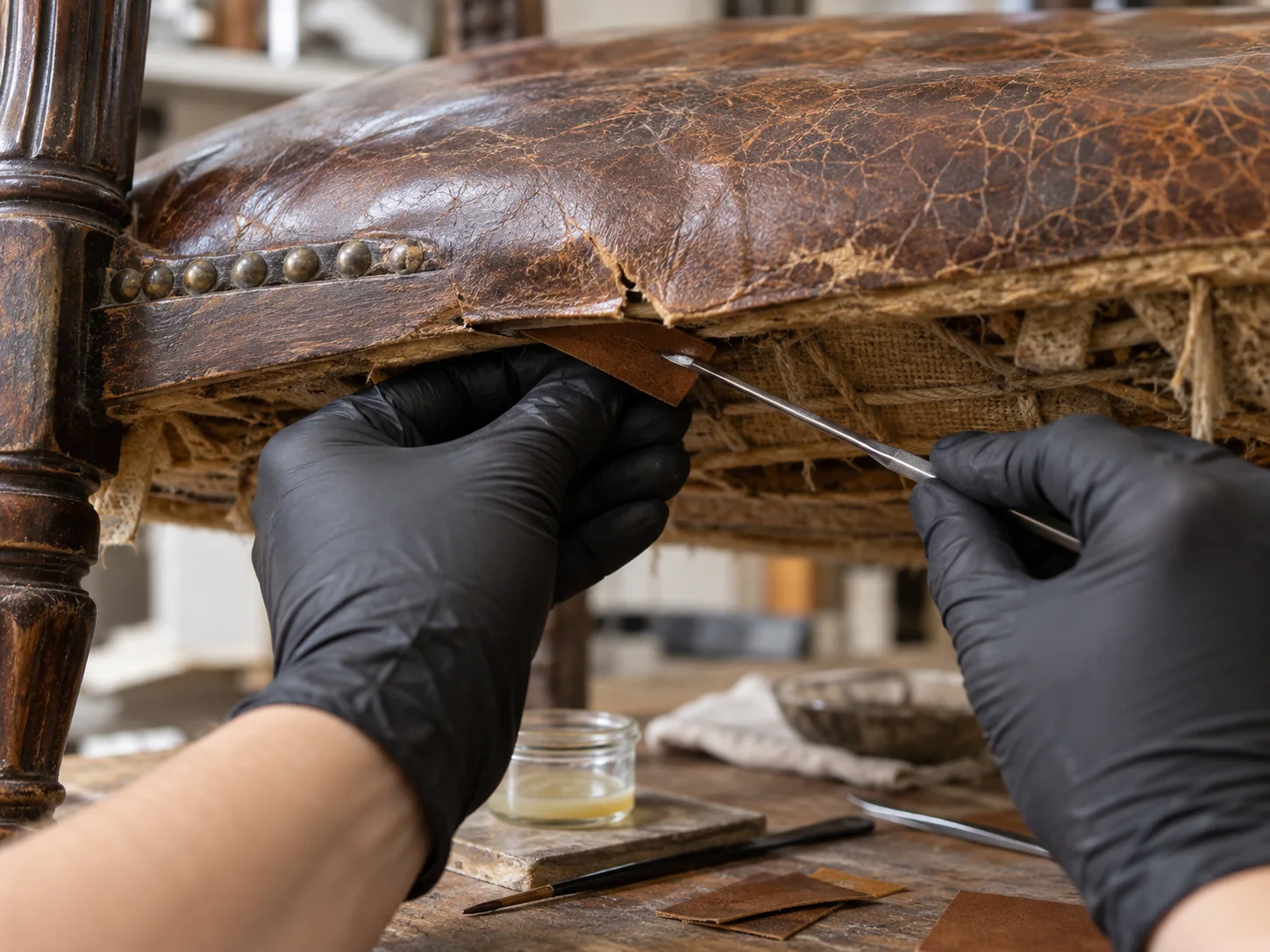
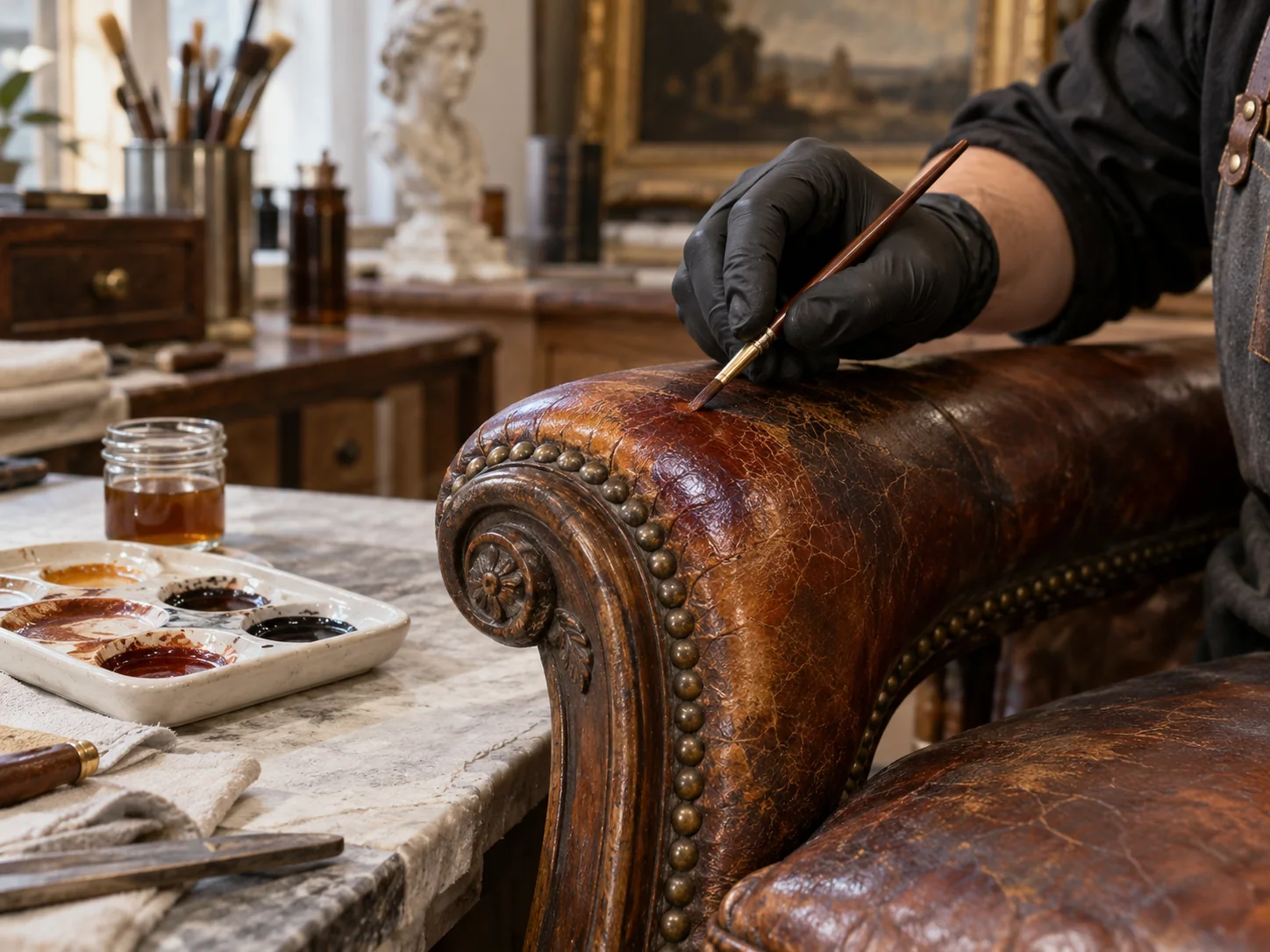
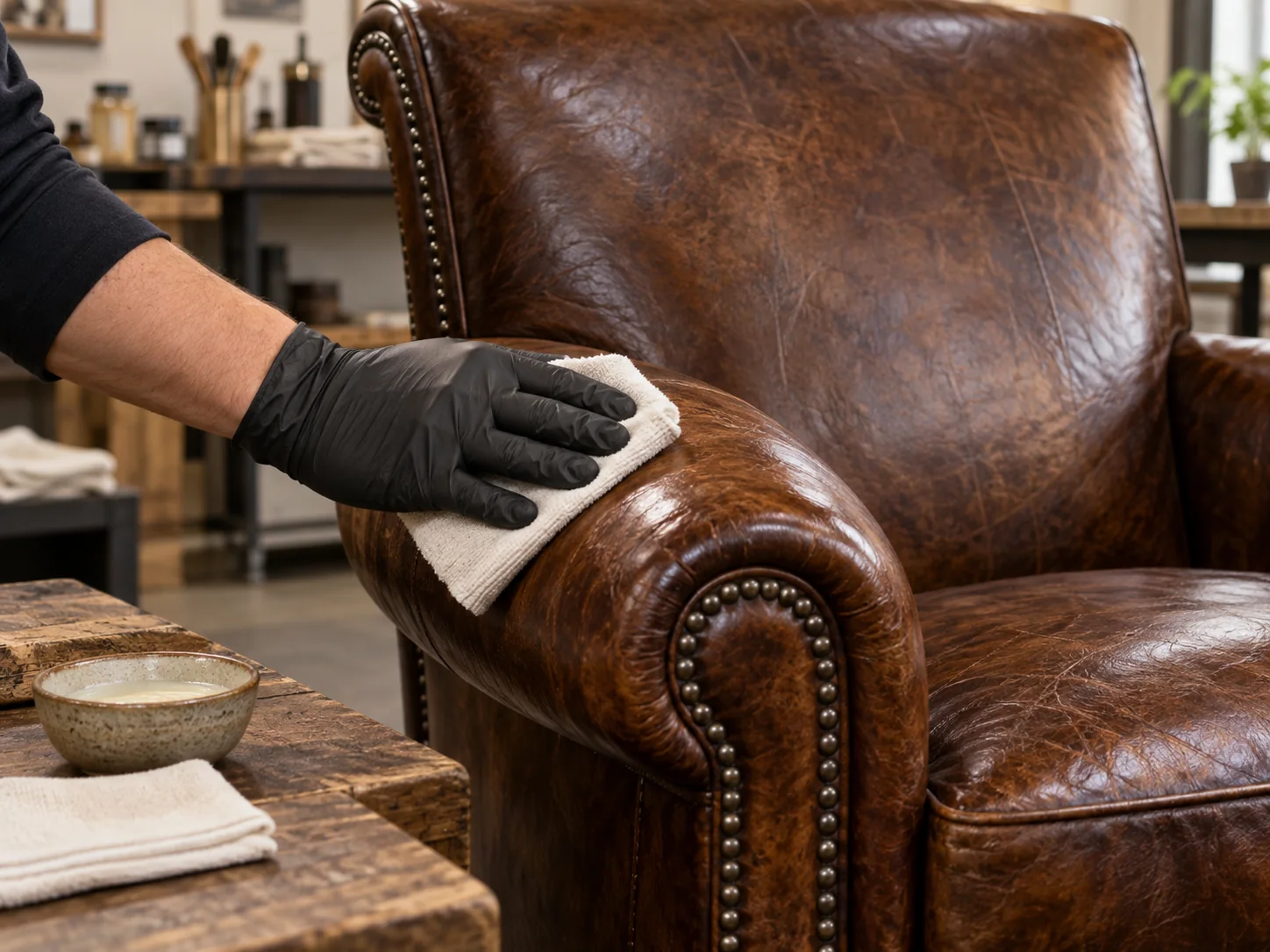
Before and after
Restored. Still old.
Three kinds of piece dealers bring us most. More work on our before and after page, and for private owners, antique leather furniture.
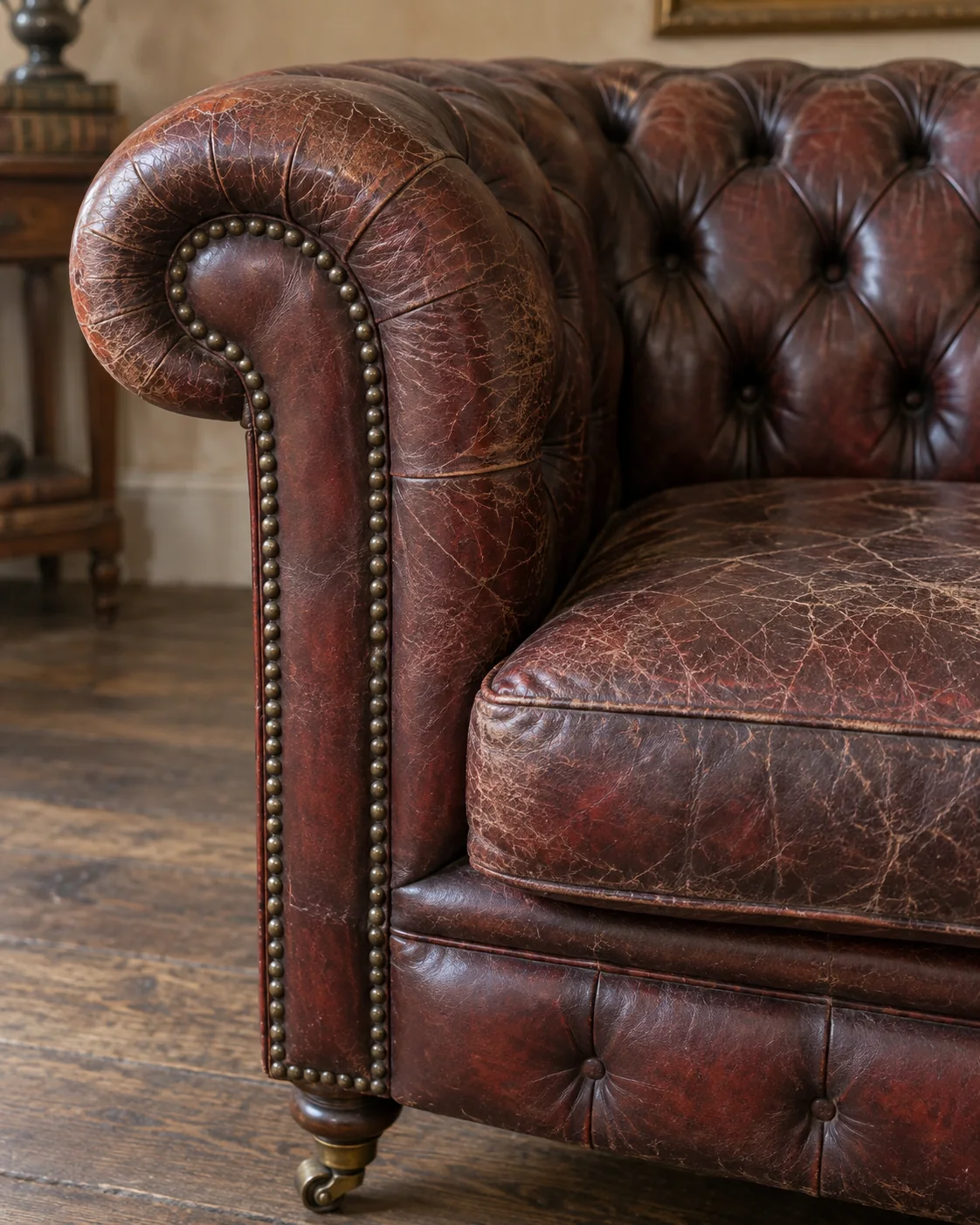
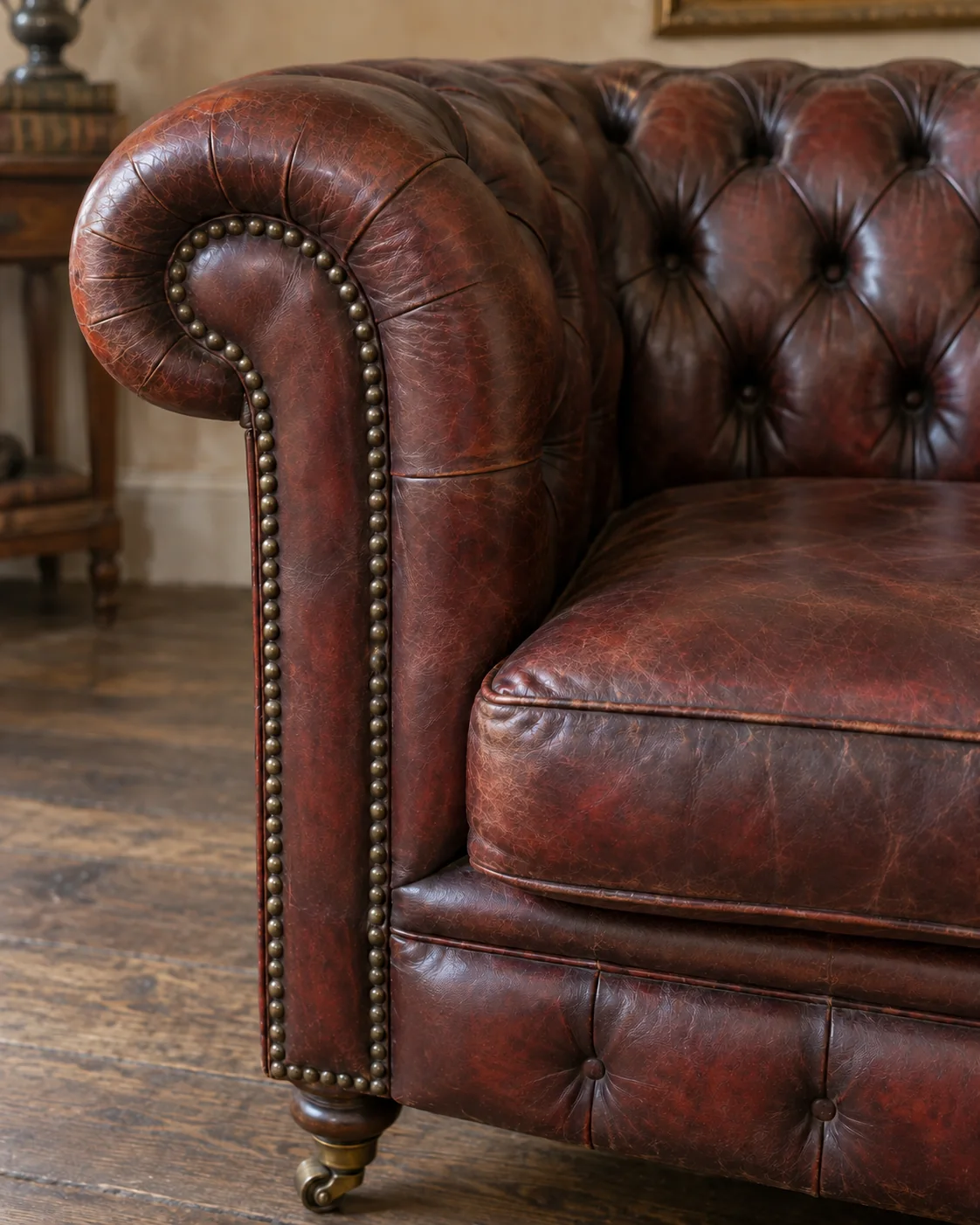
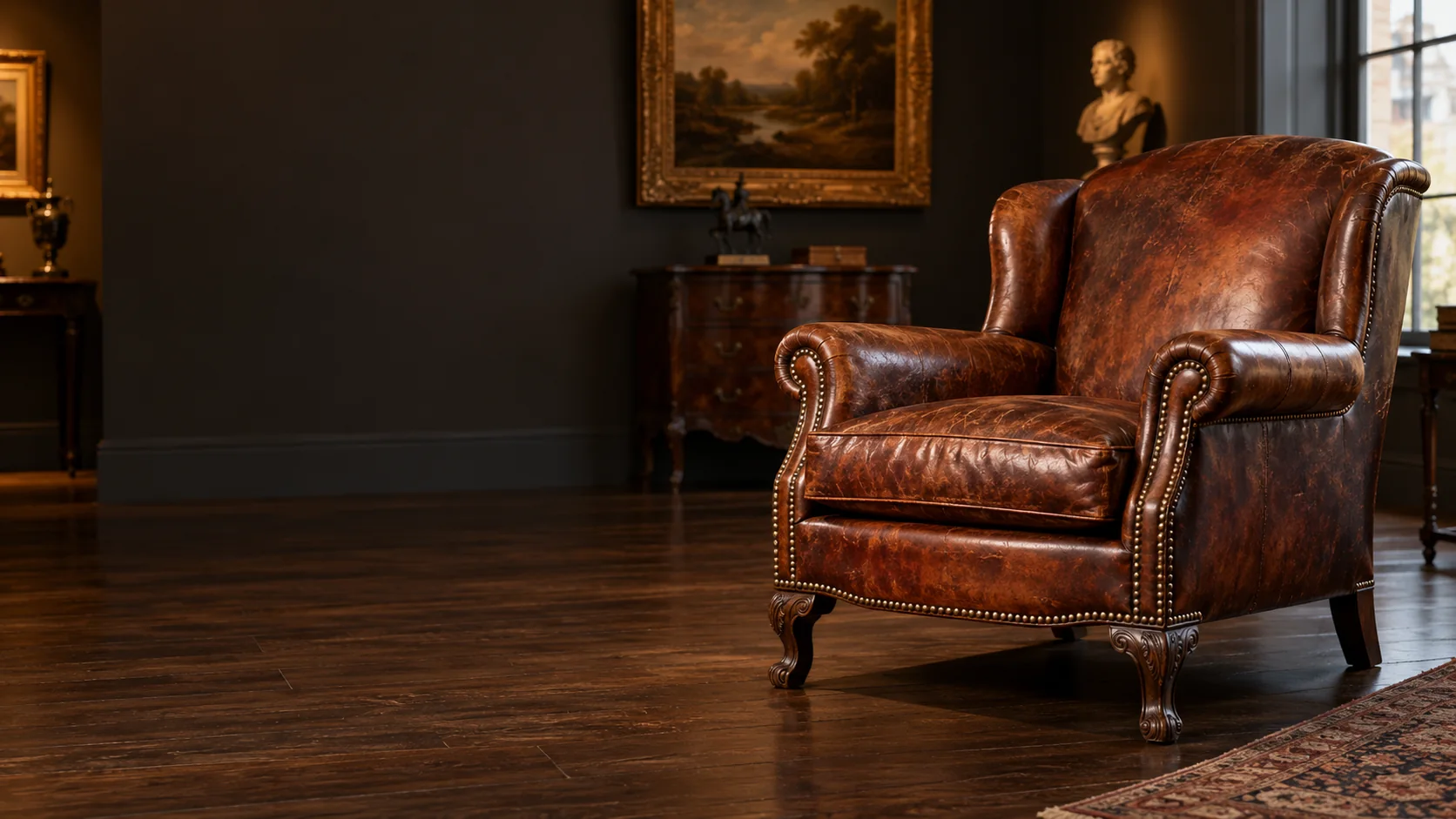
Before After Chesterfield armCracked and dry. Consolidated, fed and colored by hand.
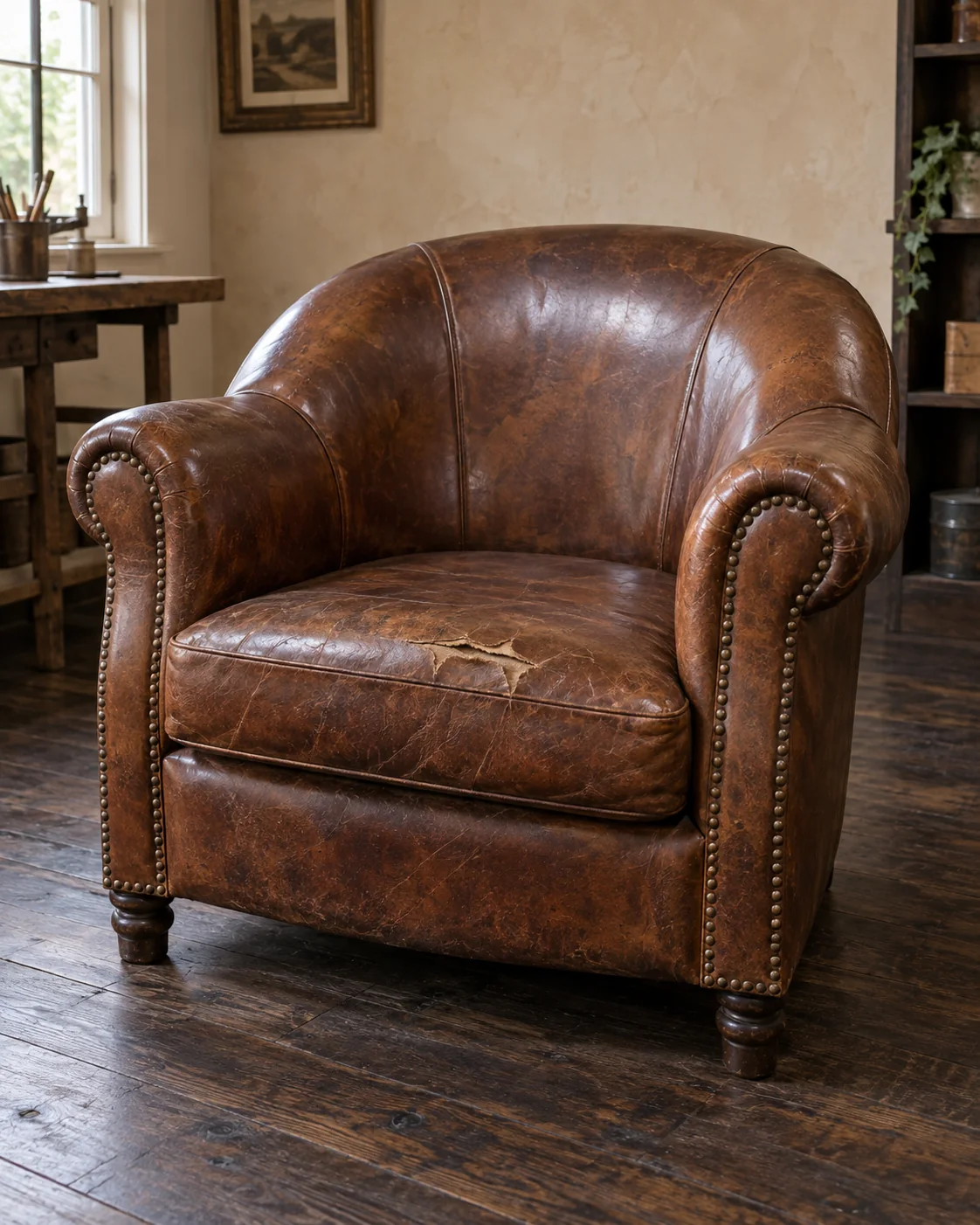
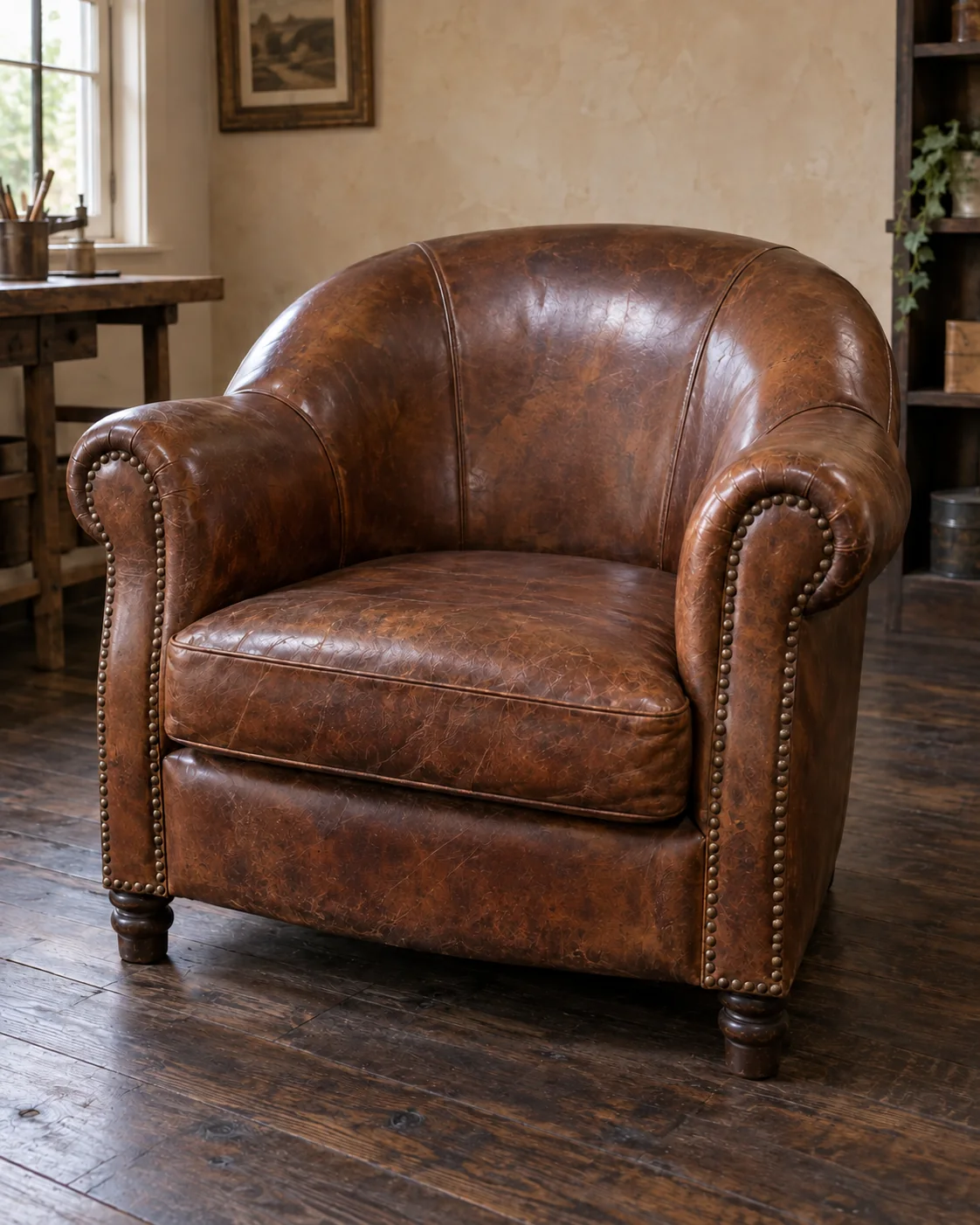
Before After Club chair seatTorn through. Backed from below, the original hide kept.
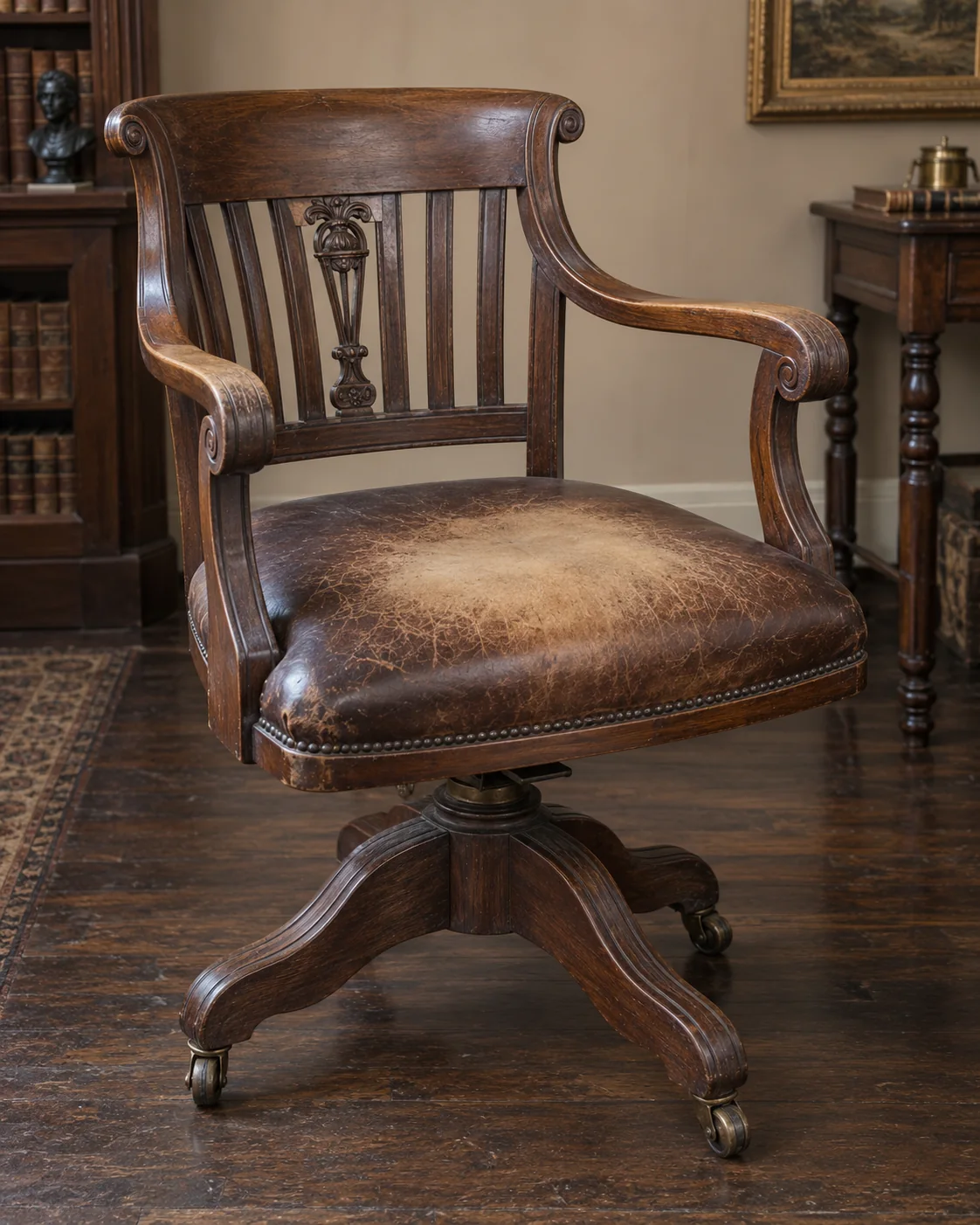
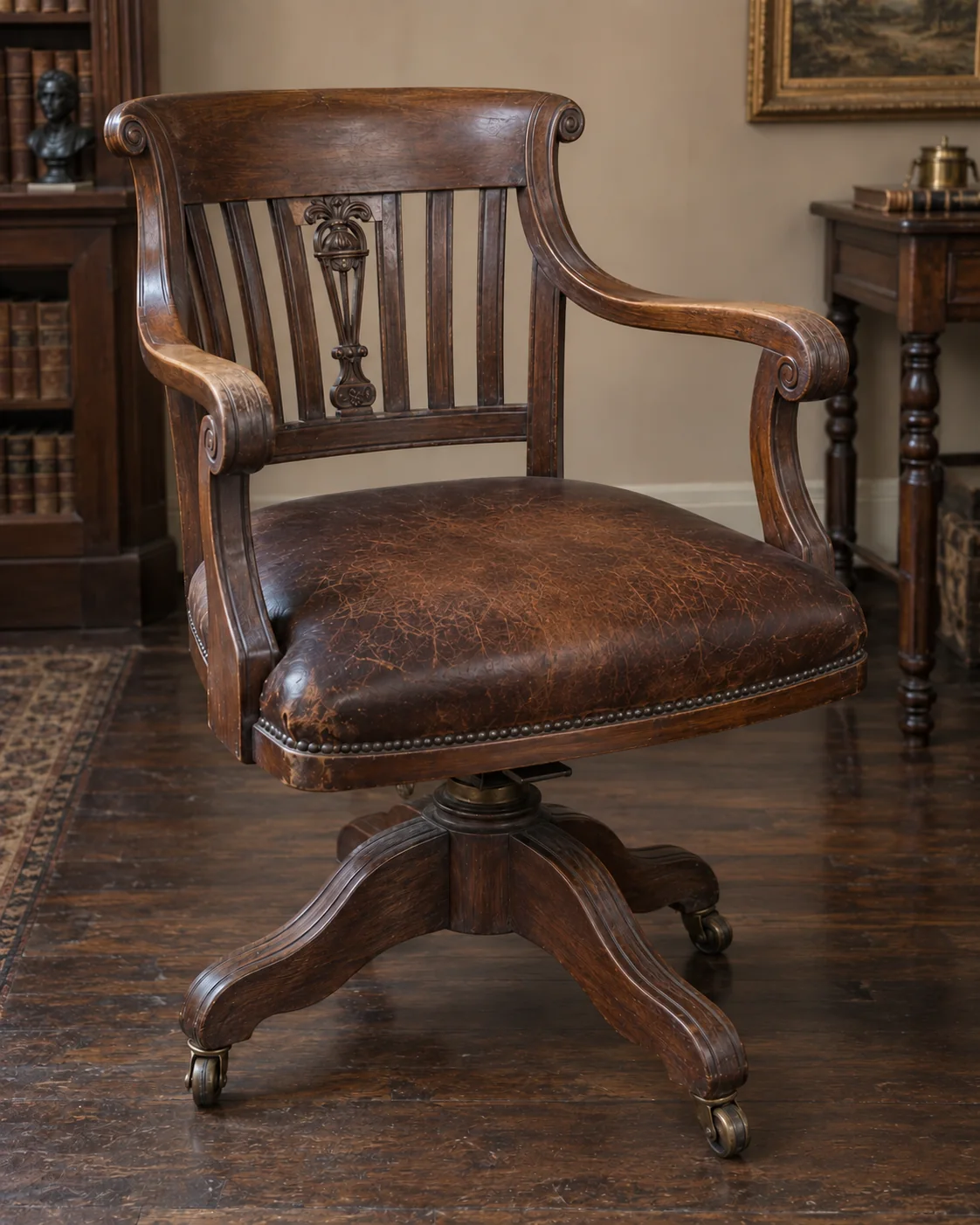
Before After Desk chairFaded unevenly. Color rebuilt in layers, wear left at the edges.
Where we stop
Four things we will not do to a piece you intend to sell.
- Strip it to bare hideThe surface is part of the provenance.
- Spray one flat colorColor goes on by hand, in layers, only where it is needed.
- Replace original nails and tacksThey are cleaned and reset in the same holes.
- Re-cover a hide that can be savedA new cover is the last option, and we tell you what it does to value.
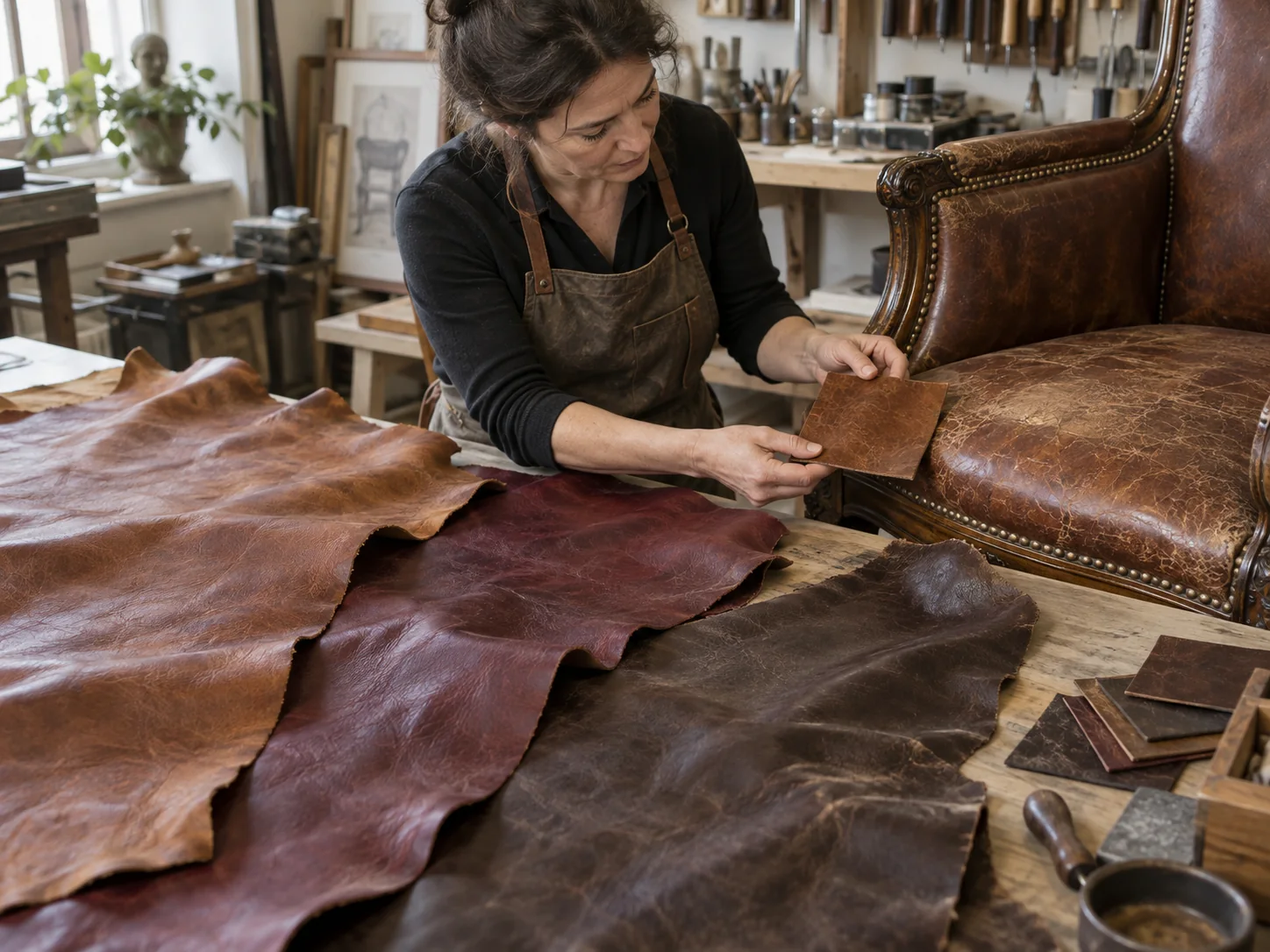
When it has to be re-covered
The hide is a pricing decision.
If the original leather is gone, the new one should suit the period and the buyer. We match the material and the color, then age the finish by hand.
- AnilineClosest to most period hides. Takes patina.
- Full grainThe natural surface kept. Ages well.
- Semi-anilineFor pieces that will be used daily.
- Re-coverFull reupholstery, frame and springs kept.
Trade terms
Your name on the work. Ours on nothing.
- White-labelNo labels, no cards. The buyer only knows your gallery.
- Condition report firstWhat is original, what can be saved, what we would leave alone. See our process.
- Before you buySend photos from the booth or the auction preview.
- Photos you can list withClean after shots, sized for your listings.
- Collected and returnedThrough pickup and delivery.
- We make the missing oneA lost cushion or a pair made complete. Custom pieces.
Pieces we restore
From library chairs to Chesterfields.
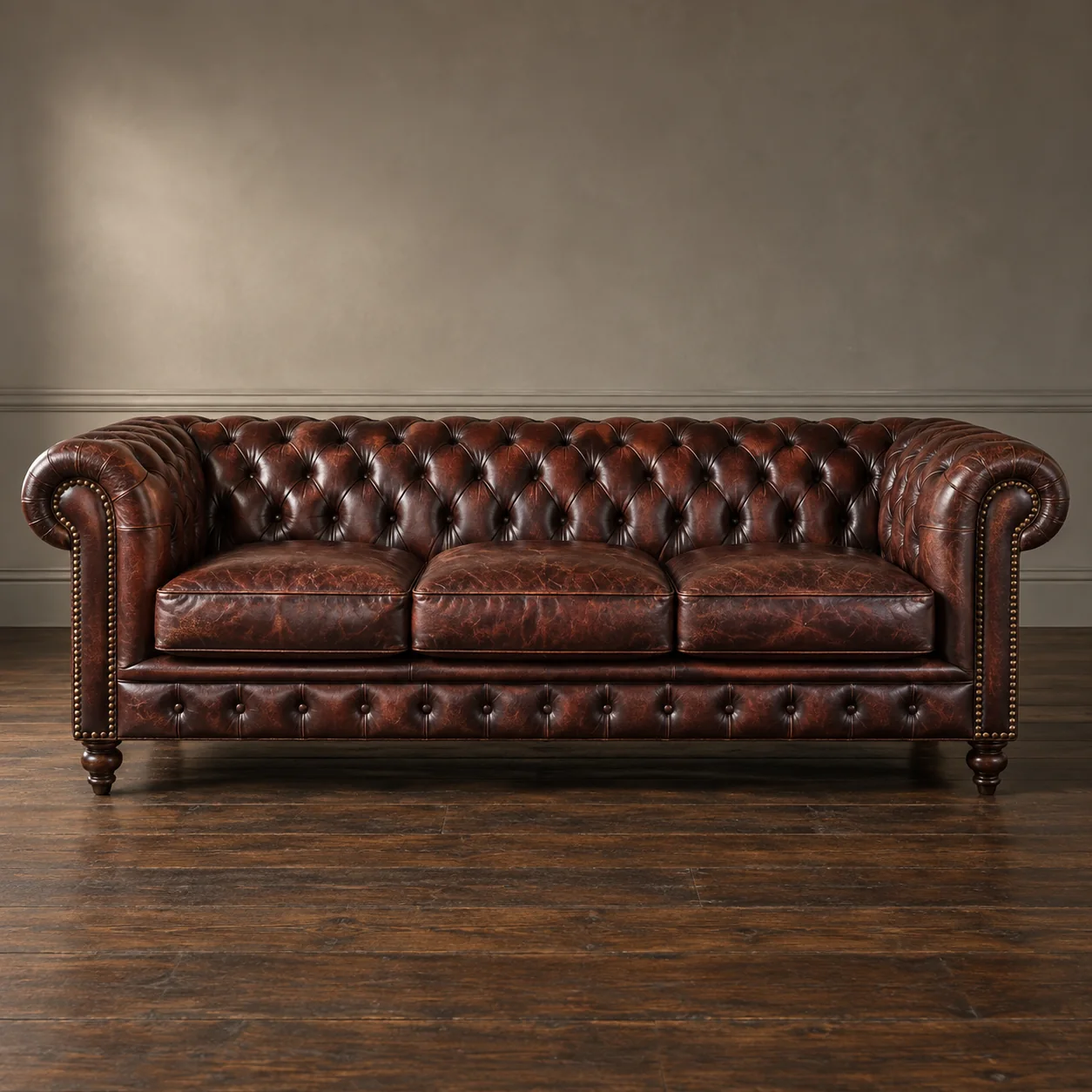 Chesterfields
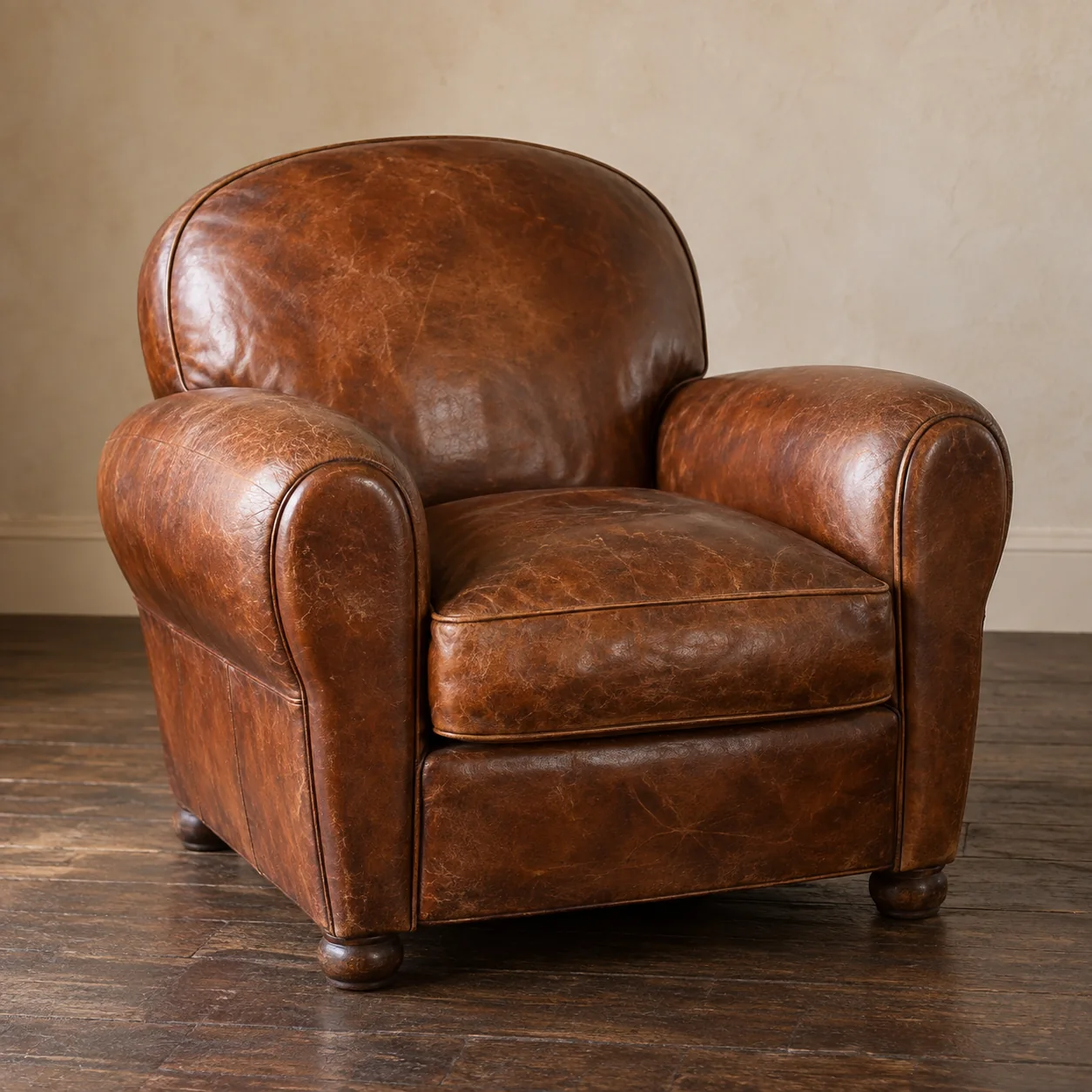 Club chairs
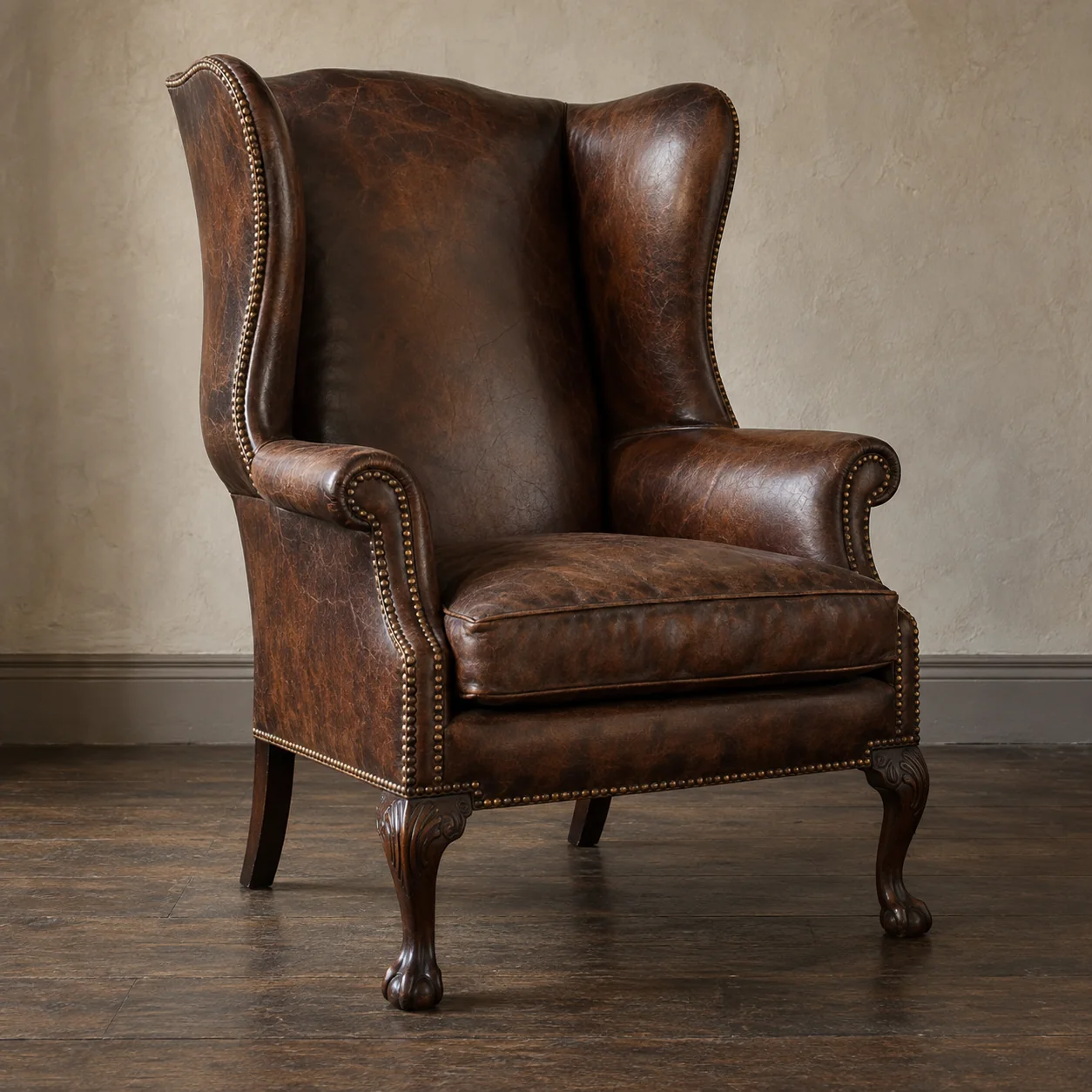 Wingbacks
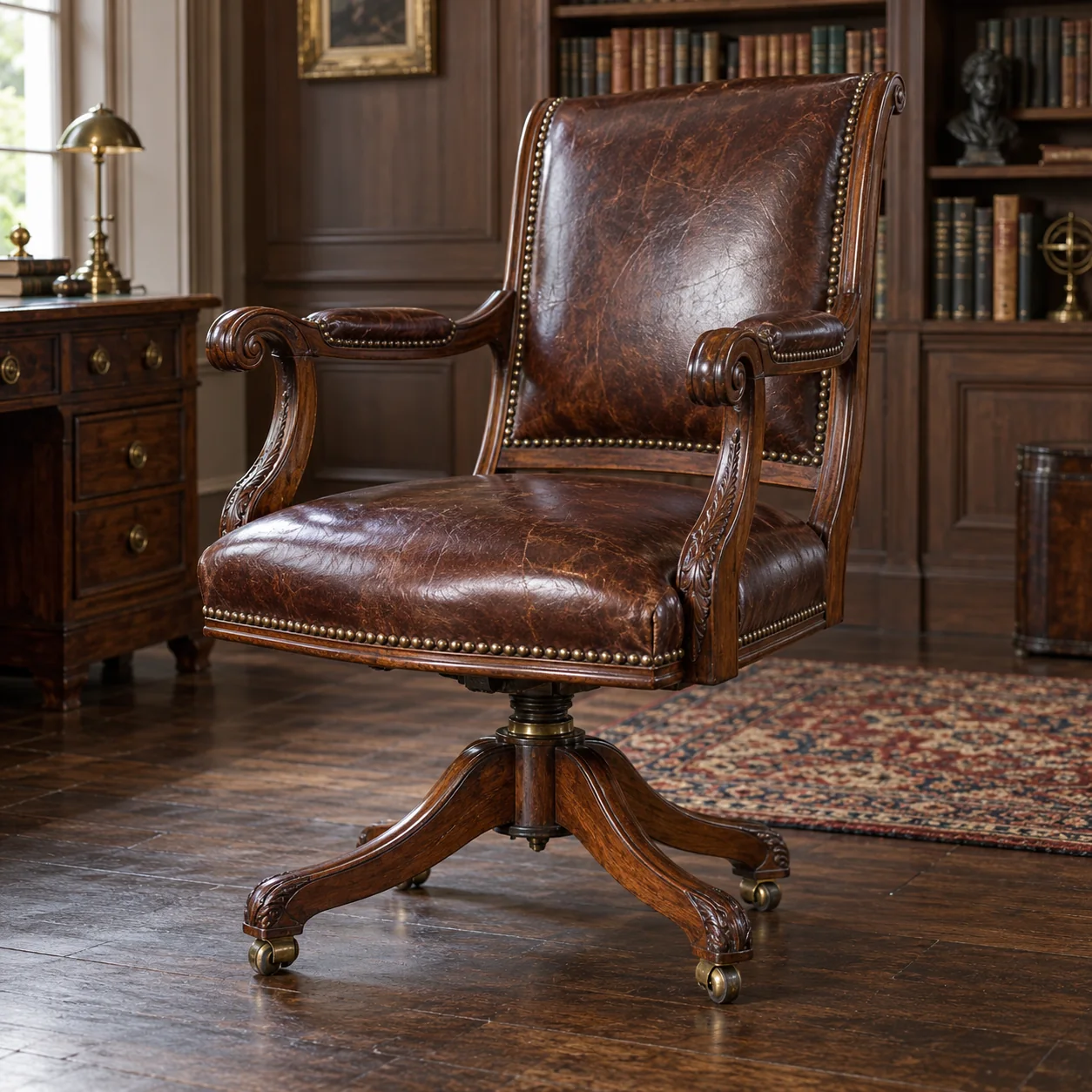 Library chairs
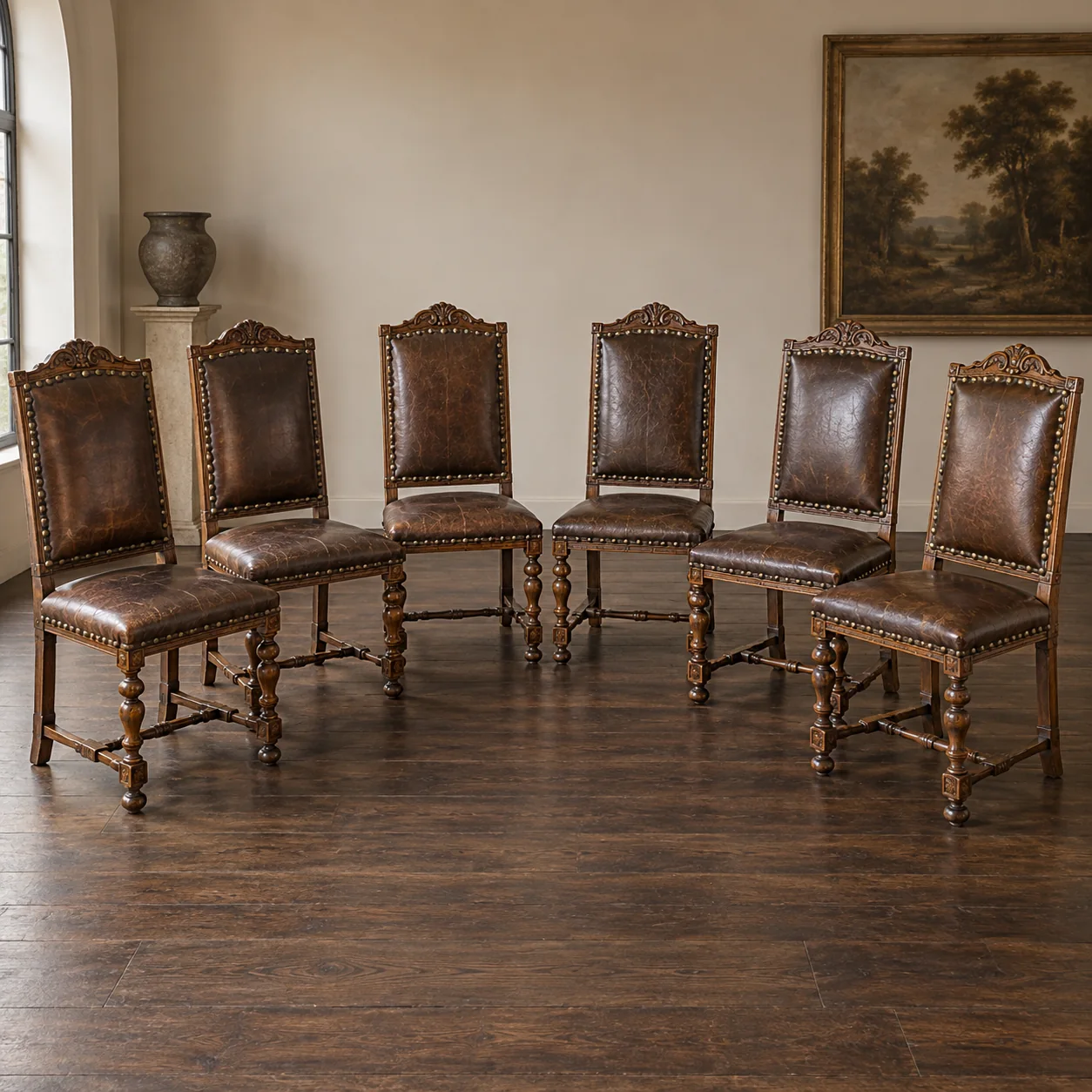 Dining sets
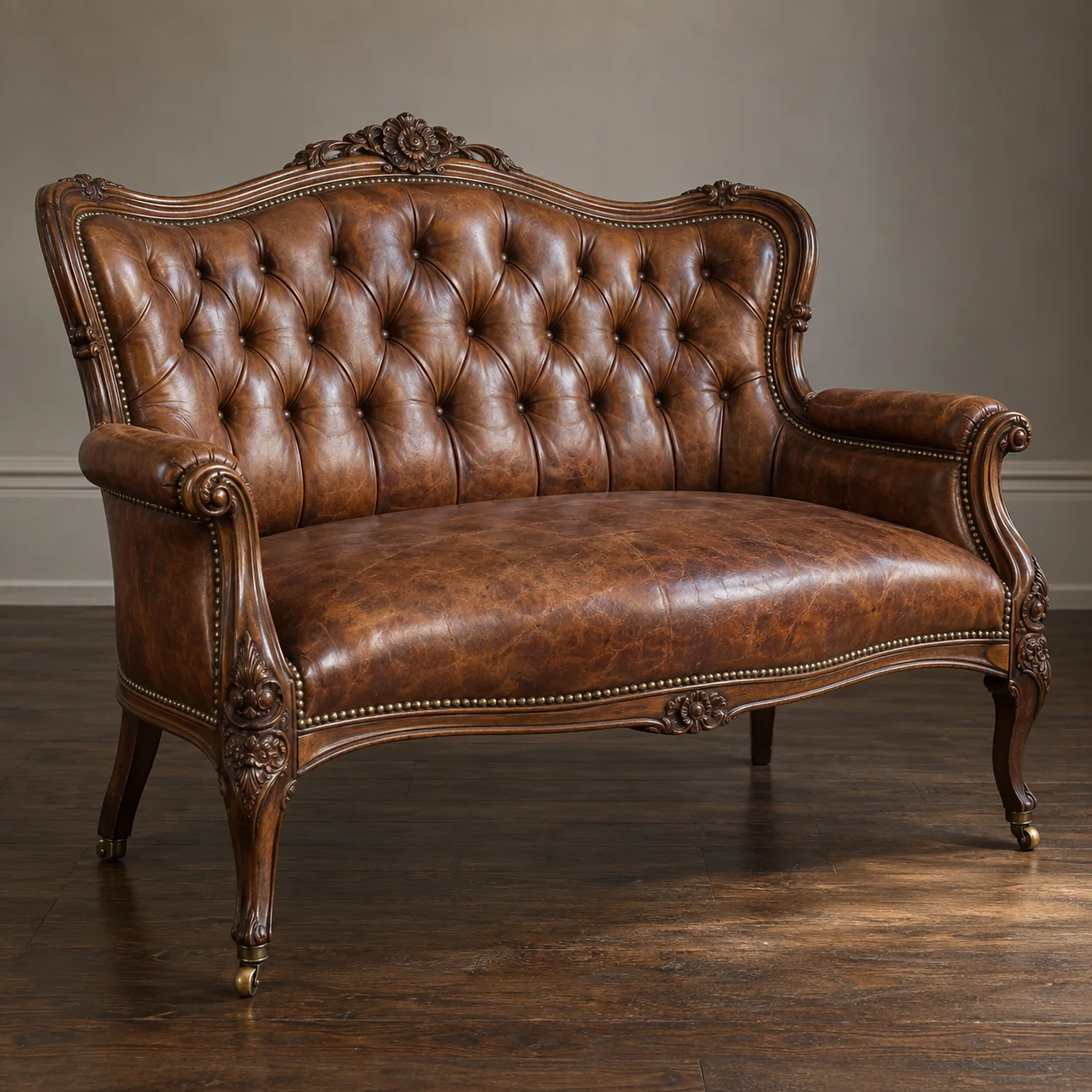 Settees
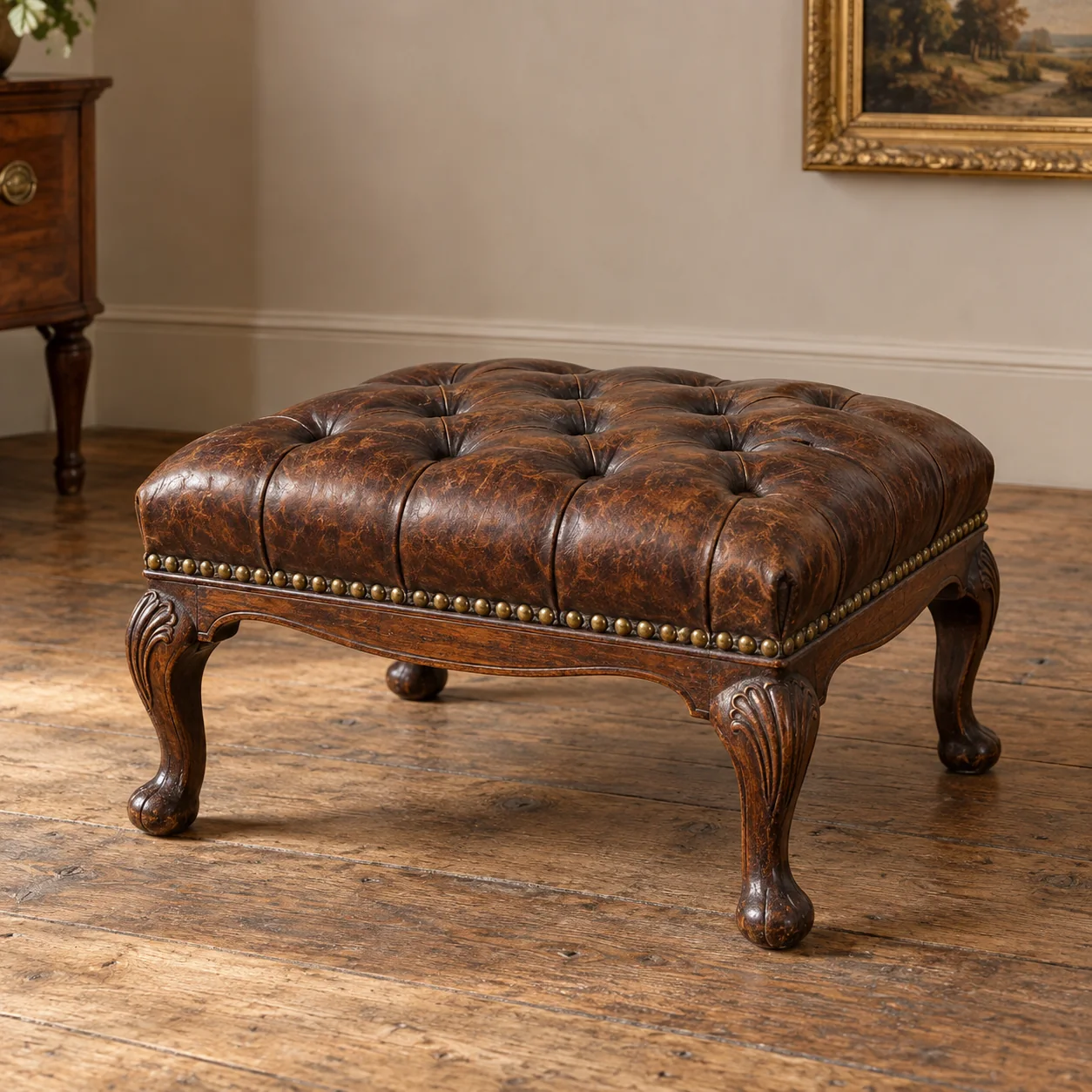 Footstools
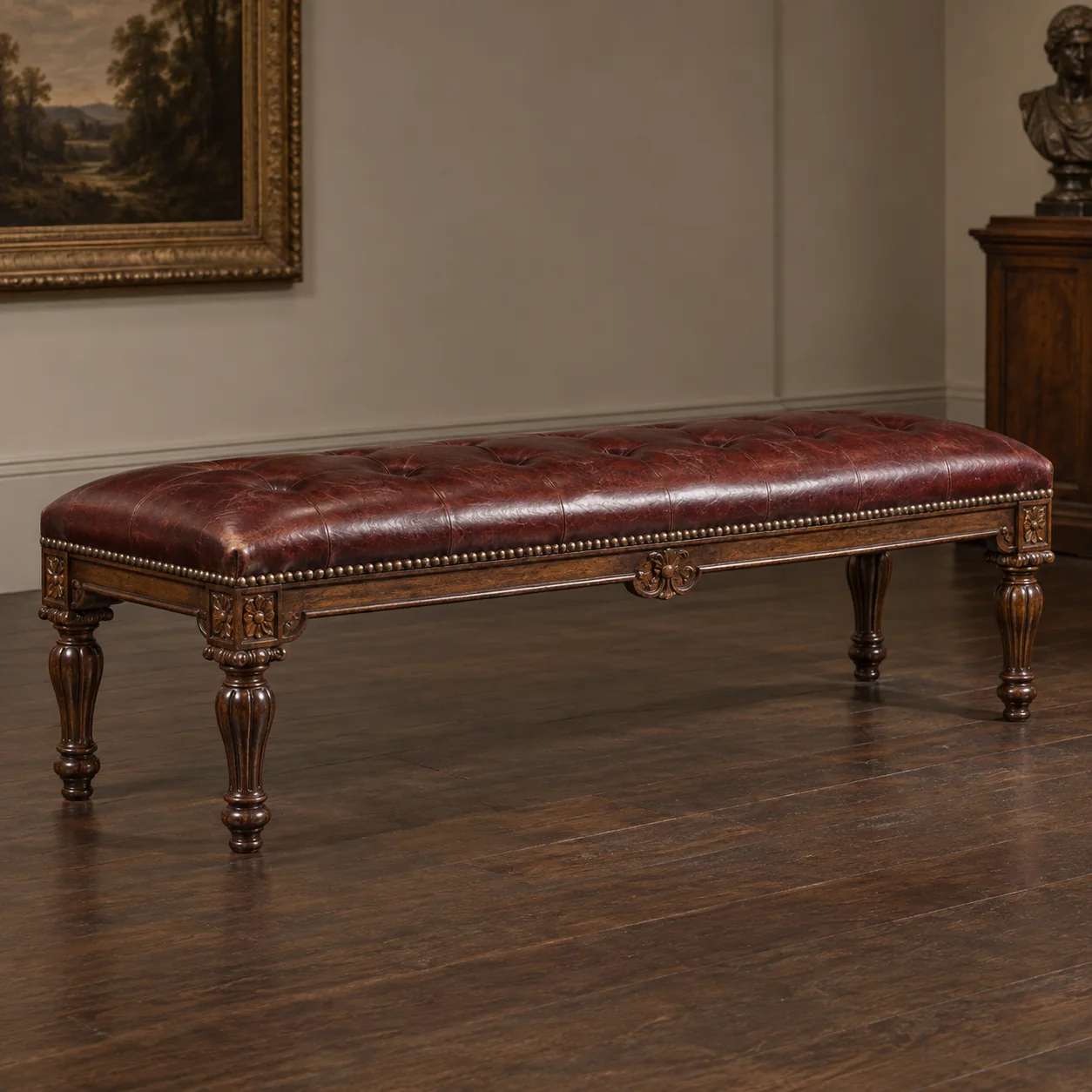 Benches
Who we work with
Everyone who buys old to sell again.
Antique leather furniture restoration on trade terms, for one piece or a whole estate. Larger lots run as bulk projects.
- Antique dealersShop and booth stock.
- GalleriesPieces that must show well.
- Auction housesBefore the sale, or after it.
- Estate buyersWhole rooms, assessed in place.
- Vintage dealersMid-century and later.
- Designers sourcingWith designer terms.
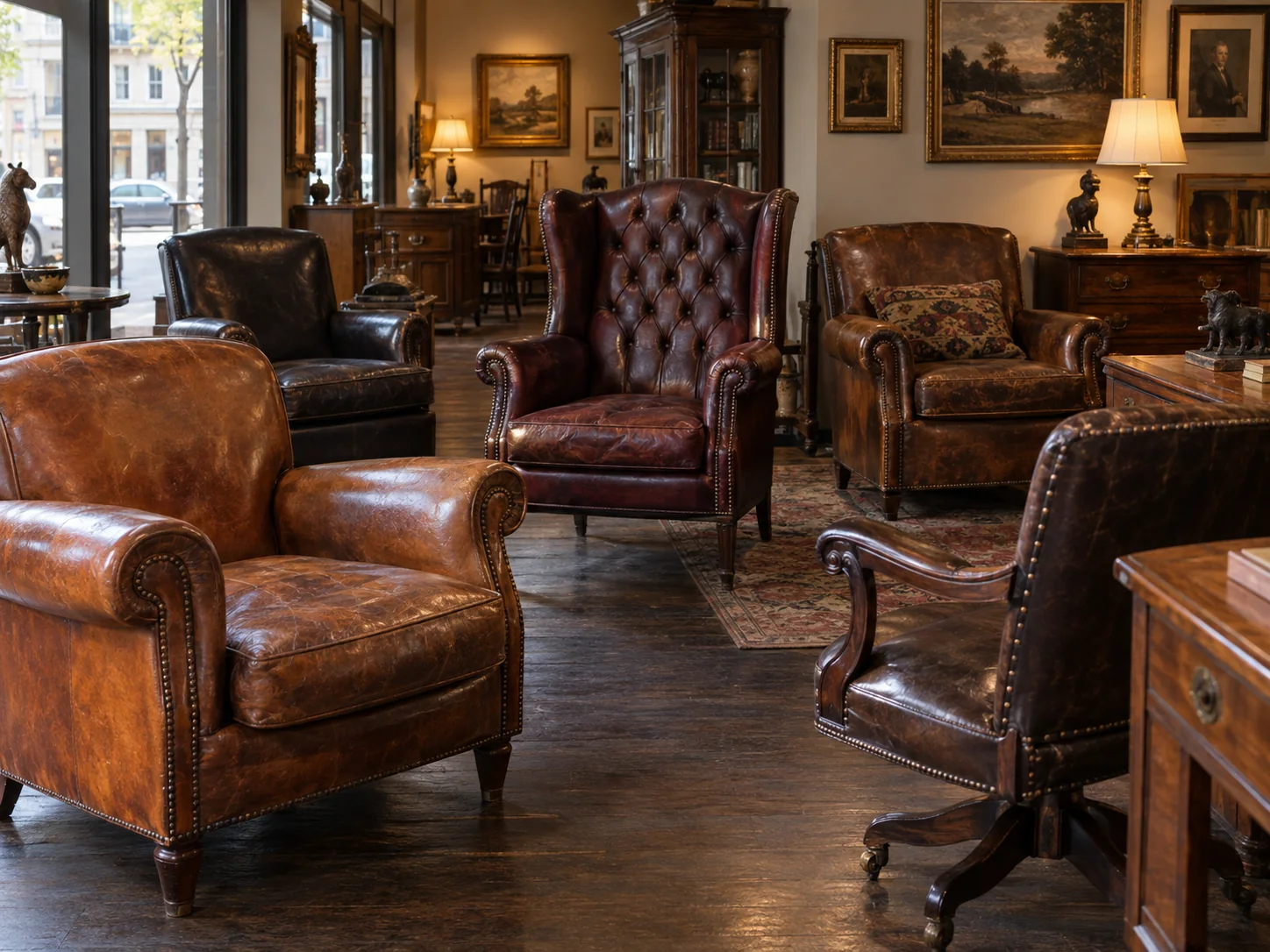 Antique dealers
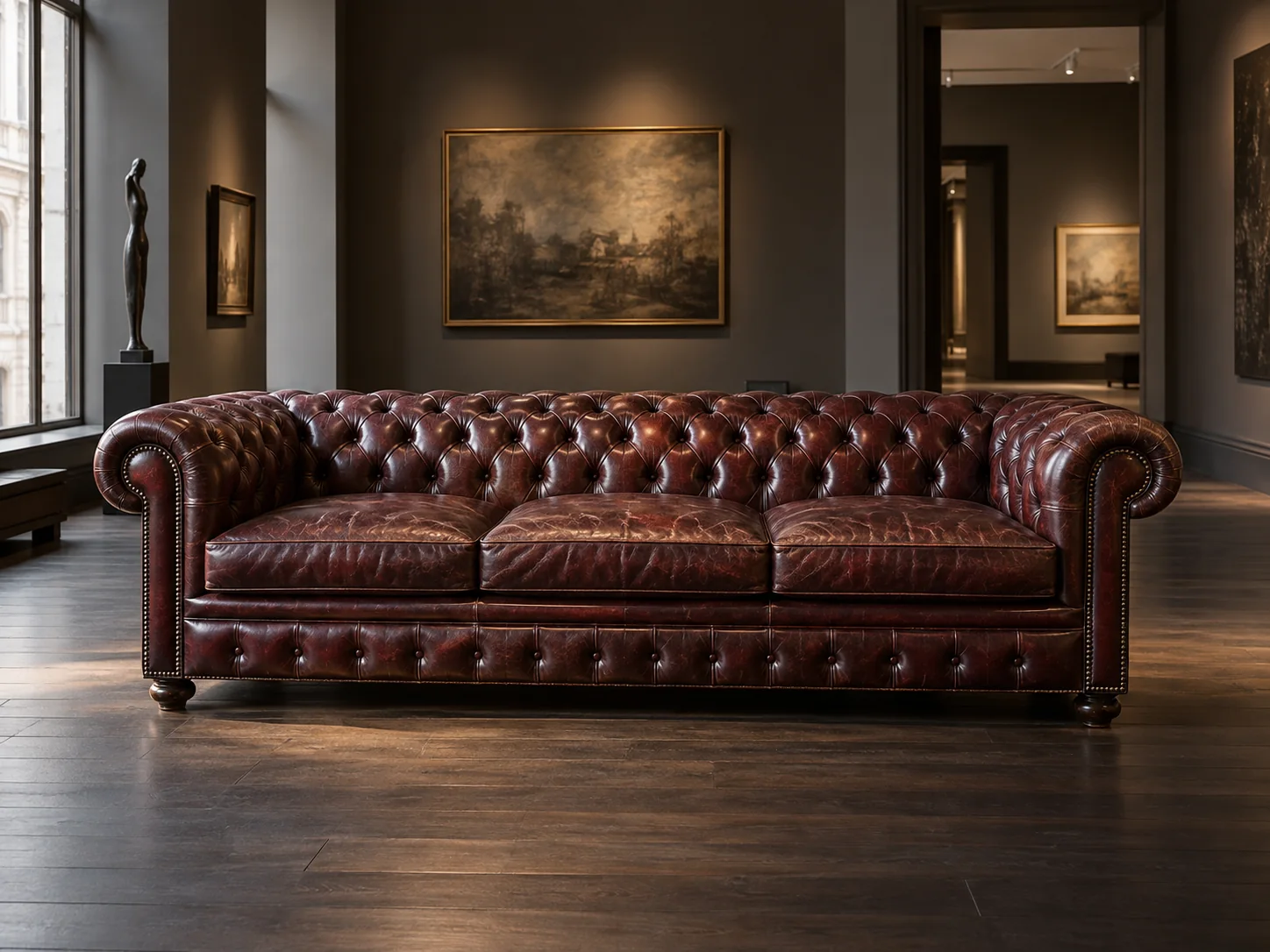 Galleries
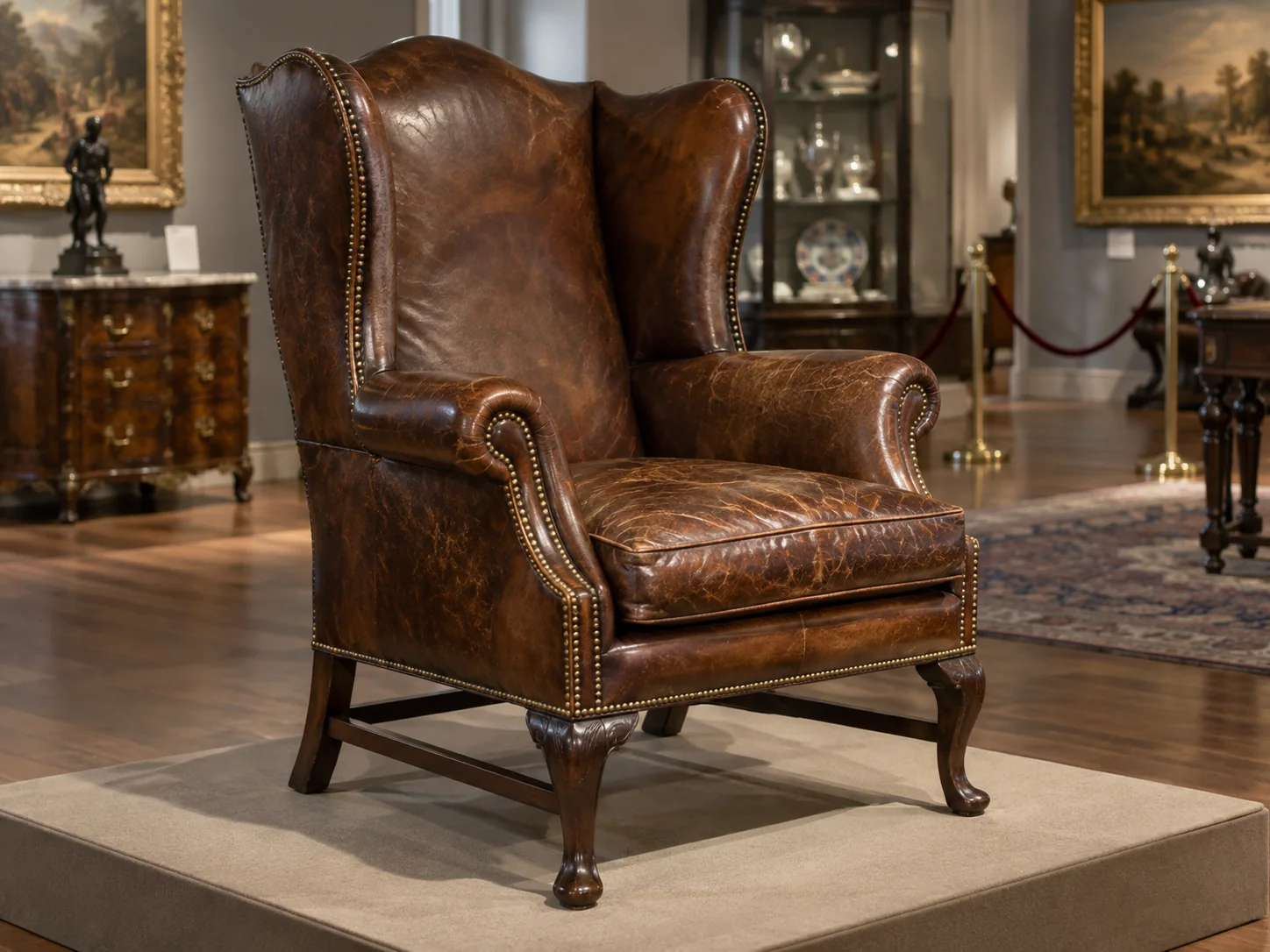 Auction houses
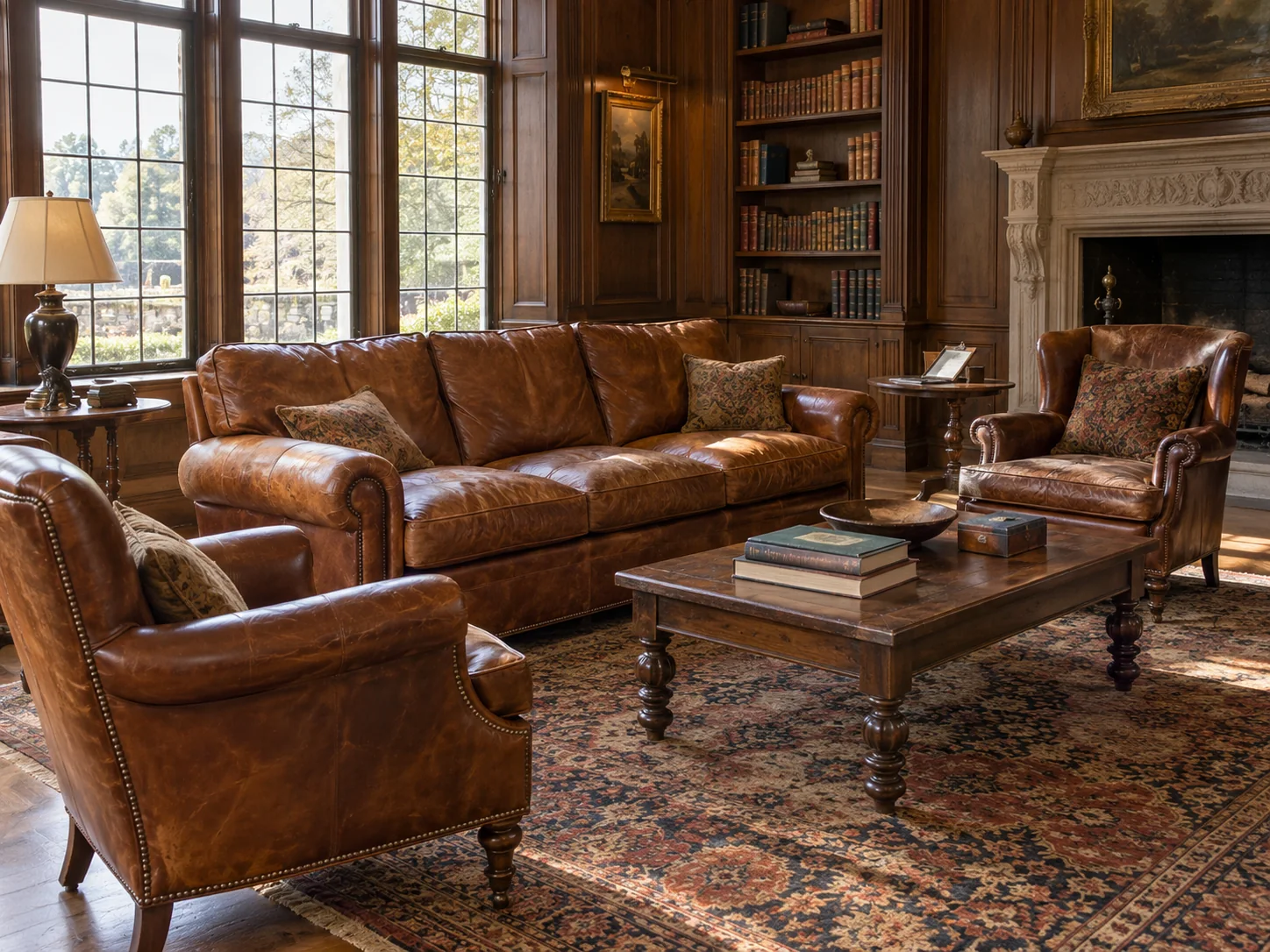 Estate buyers
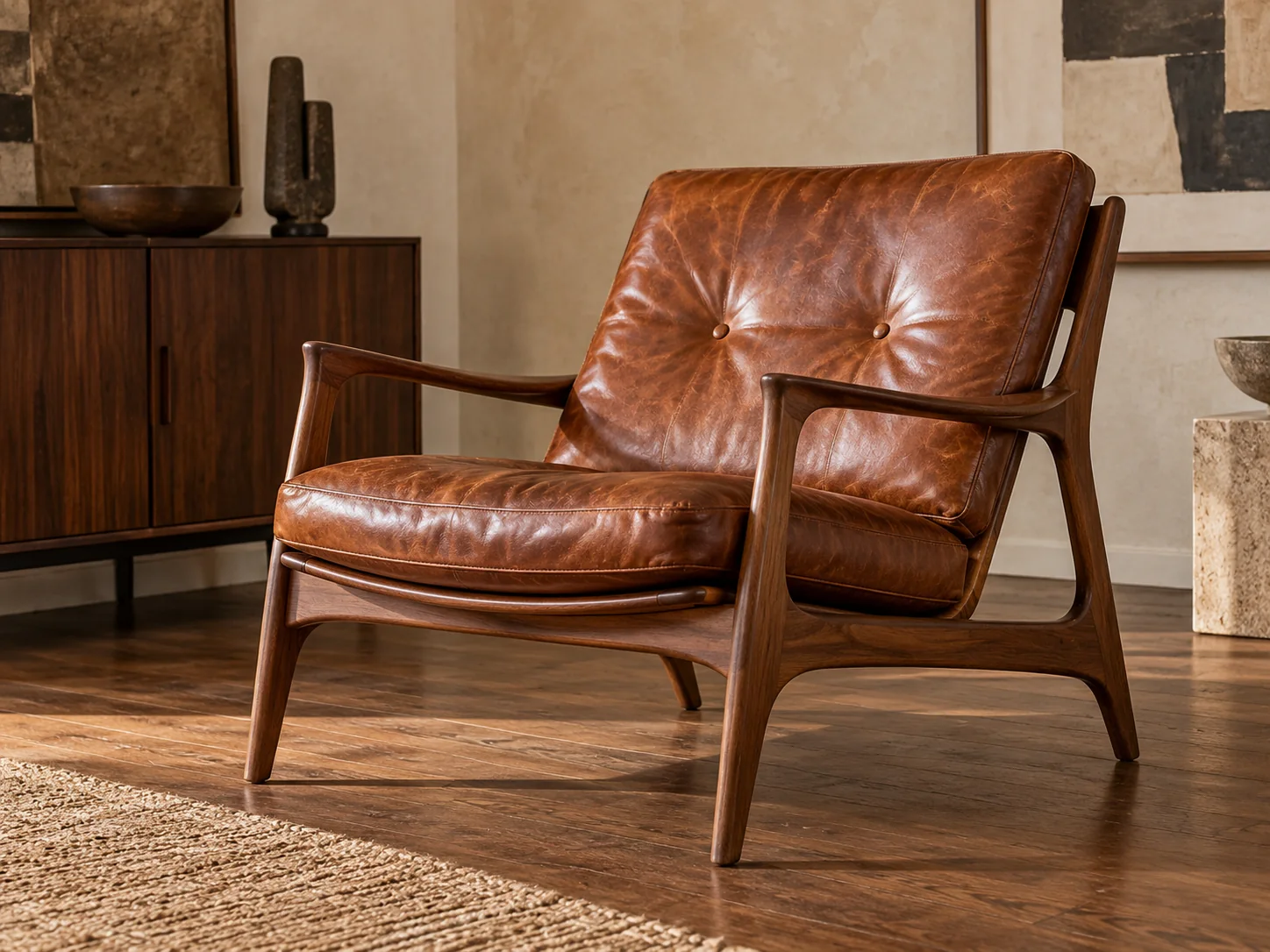 Vintage dealers
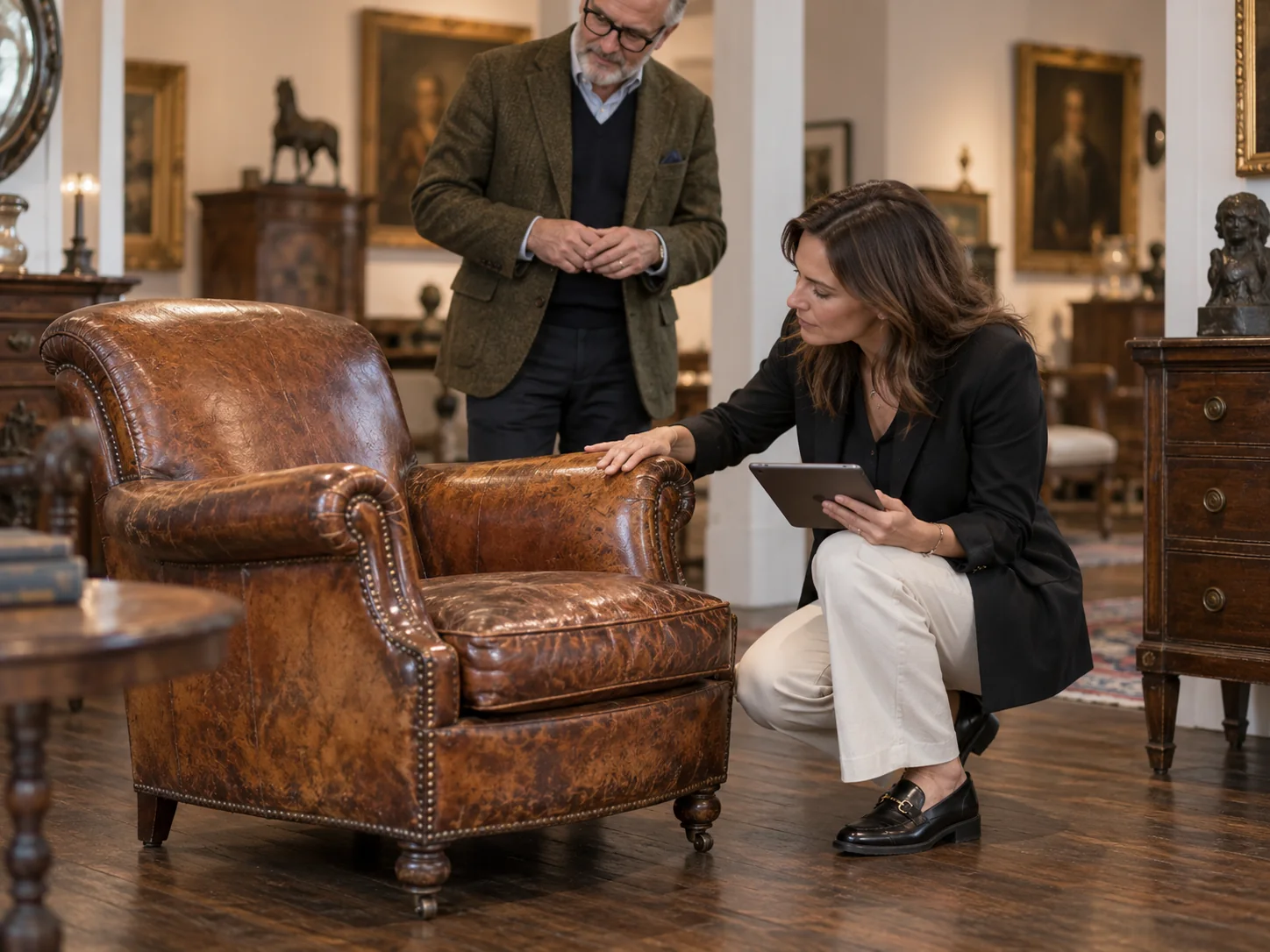 Designers sourcing
Questions
What dealers ask us first.
What does antique leather furniture restoration recover?
Strength, cleanliness and even color where it has been lost. It does not make a piece look new, and on a piece for sale it should not.
Will restoring it hurt the value?
Over-restoration does. Sympathetic work that keeps the original hide, nails and patina usually makes a piece easier to sell.
What is red rot, and can it be fixed?
Red rot is a breakdown of old vegetable-tanned leather that turns it powdery. It can be consolidated and stabilized, but not reversed. We test for it first.
Can you look at a piece before we buy it?
Yes. Send photographs from the booth or the preview and we tell you what it would take.
One panel has failed. Can you match the rest?
Usually. We match the hide and age the new panel by hand so it sits with the old ones.
Do you deal with our client directly?
Only if you ask us to. Otherwise everything goes through you, and nothing we leave carries our name.
Send the one you are unsure about
Tell us what it is. We tell you where to stop.
Antique leather furniture restoration for dealers across New York City, Long Island and New Jersey.