
Customer Support
Leather Repair Help Center
Straight answers on estimates, appointments, leather repair options, materials, warranties, payments and aftercare — this leather repair help center is where we put the questions people actually ask before booking.
Mobile leather repair throughout New York City, Long Island and Northern New Jersey. Everything in the leather repair help center below applies the same way at every address we cover.
Popular Help Topics
Start with the question you actually have
Eight routes into the rest of the site. Each ends on the leather repair page that answers it in full.
Get an Estimate
- What photos to send
- Information we need
- How quickly we reply
Identify the Damage
- Scratches and scuffs
- Cracks and peeling
- Tears, holes and burns
- Stains, ink and fading
Choose the Right Service
- Repair or restoration
- Reupholstery
- Cushion replacement
- Cleaning and conditioning
Identify Your Material
- Aniline and semi-aniline
- Pigmented leather
- Nubuck, suede and bonded
- Faux leather and vinyl
Appointments and Preparation
- On-site or workshop
- Preparing the furniture
- How long it takes
- Pickup and delivery
Aftercare
- Curing time
- When you can sit on it
- Cleaning restrictions
- Protection and conditioning
Payments and Warranty
- Accepted payment methods
- When payment is due
- Workmanship warranty
- What is not covered
Commercial Customer Support
- COI requests
- Off-hours and overnight
- Bulk projects
- Maintenance programs
No topic matches that. Try a damage word such as “peeling”, “ink” or “cushion”.
Estimates
What should I send for an estimate?
A quote is only as accurate as the photographs behind it. Send these eight things and a leather repair quote usually comes back as a real number, not a range.
- 3–6 clear photographs in daylight where possible
- One complete view of the whole piece of furniture
- A close-up of every damaged area, not just the worst one
- Manufacturer or brand, if you know it
- Type of furniture and its approximate size
- A short description of what happened
- Your ZIP code or the full service address
- Preferred contact method and your requested timeframe
We typically respond within 24 hours. If it is urgent, calling is fastest.

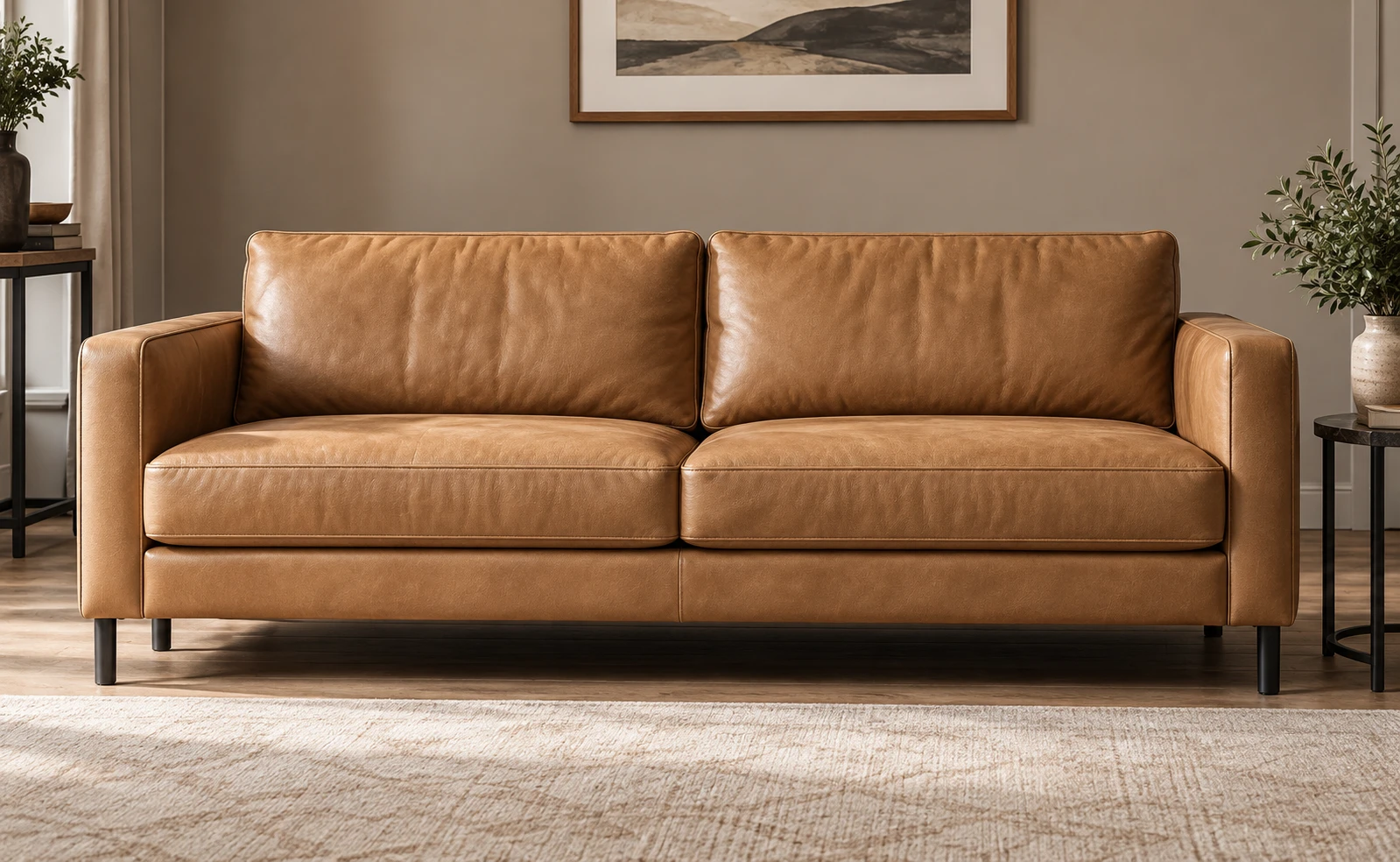 Do — wide
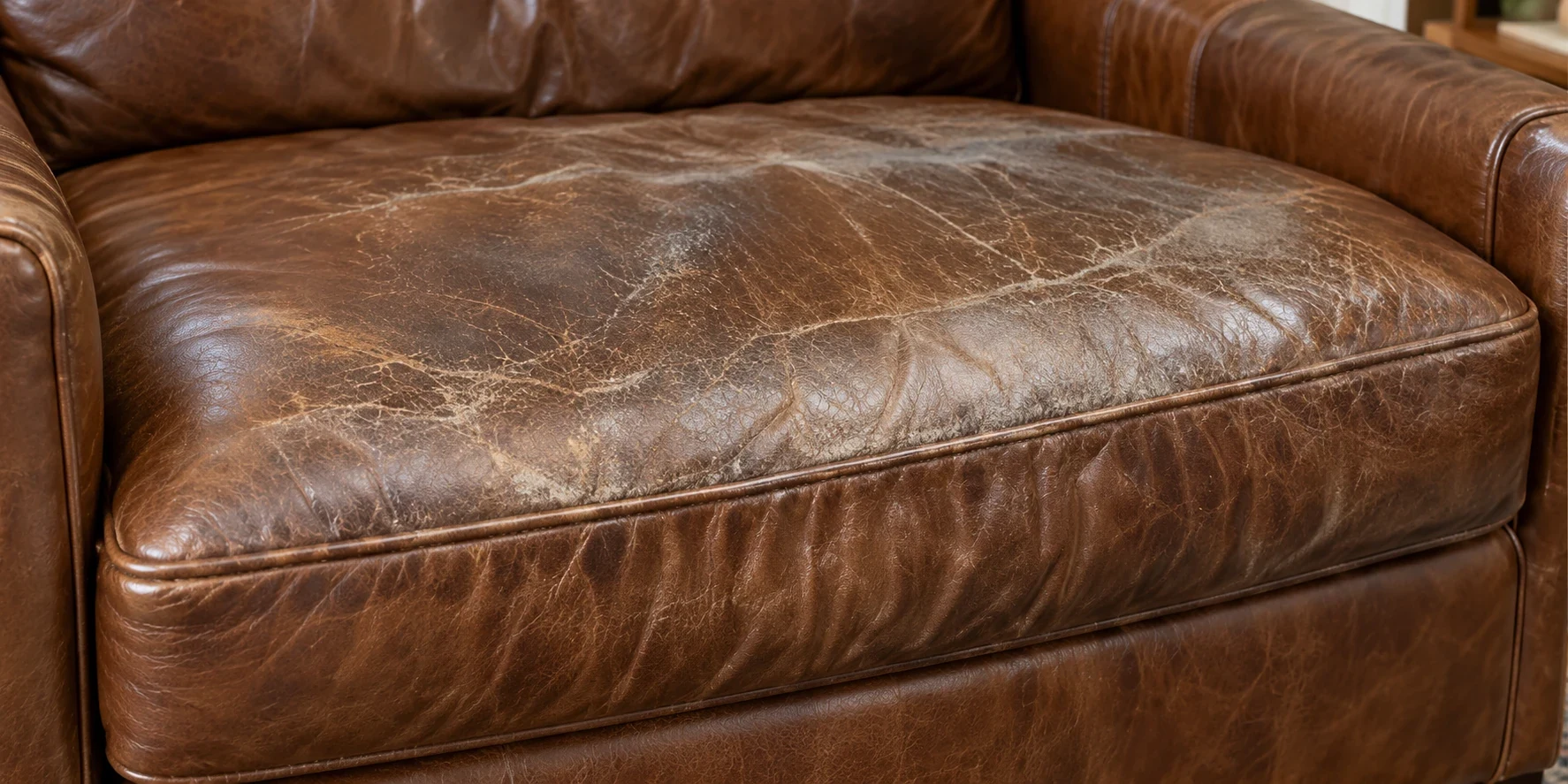 Do — close-up
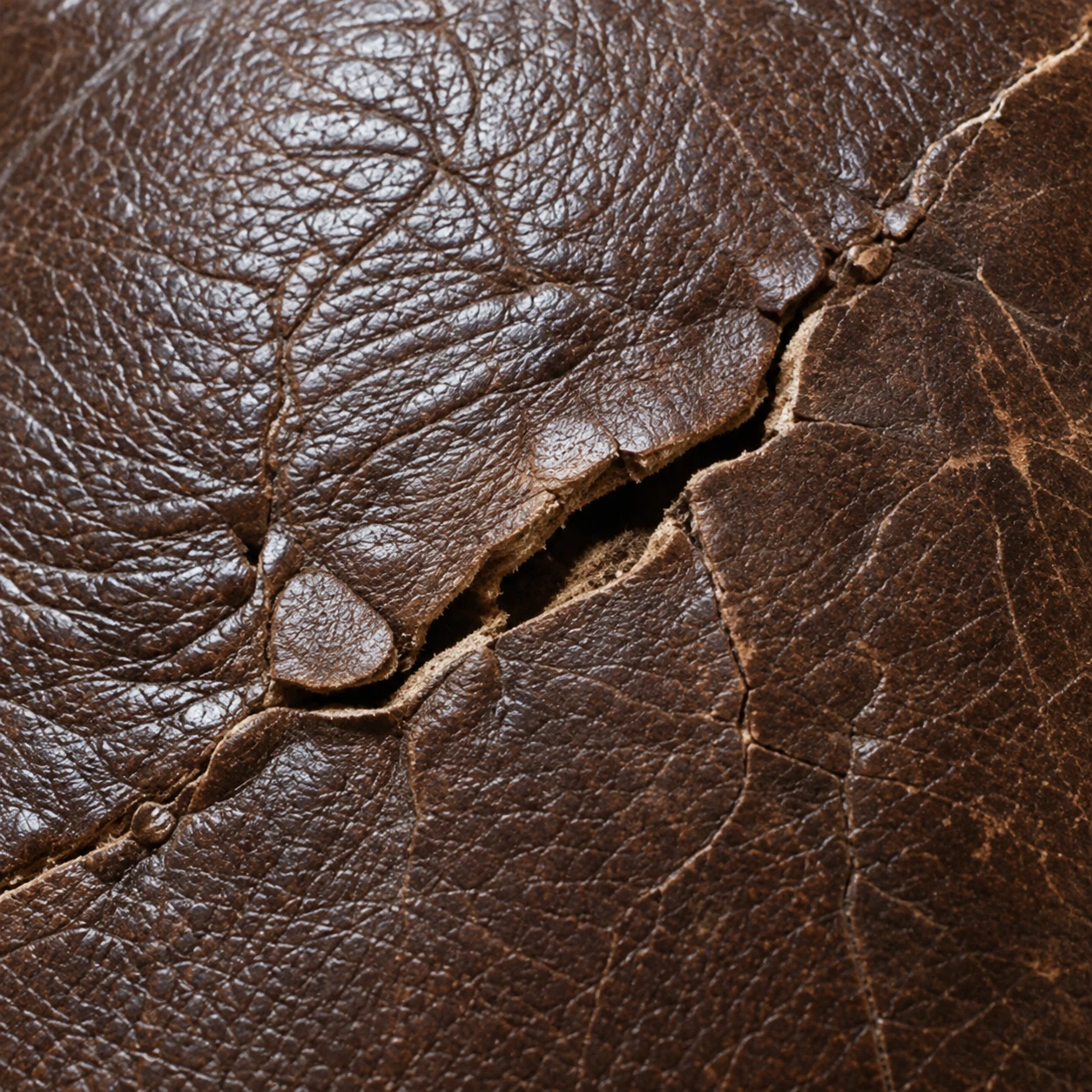 Avoid
AvoidNot sure the damage is worth repairing? Send the photos anyway. Telling you a piece is not worth the money is a normal outcome, and it costs you nothing to find out. See real before and after results to calibrate what is possible.
Repair, Restoration or Reupholstery
Which one does your piece actually need?
Most people arrive asking for the wrong one. Leather repair, restoration and reupholstery are decided by how much of the surface has failed, not by how bad the worst spot looks.
| Service | Best for | Go to |
|---|---|---|
| Leather Repair | Localised scratches, scuffs, small tears, burns, holes, open seams or one damaged panel. The rest of the piece is sound. | All repairs |
| Leather Restoration | Fading, widespread wear, discolouration, finish loss, dryness or uneven color across whole panels. | Restoration |
| Reupholstery | Extensive peeling, material that has failed structurally, major frame or suspension wear, or a deliberate change of material or color. | Reupholstery |
| Cushion Replacement | Sagging, flattened or uncomfortable seats where the cover is still good but the foam is finished. | Cushions |
| Cleaning & Conditioning | Dirt, body oils and dryness with no real surface failure yet. This is the maintenance option, not a repair. | Cleaning |
Damage Finder
Can my furniture be repaired?
Find the damage that looks most like yours. The label says how these leather repair jobs usually go — nothing is promised until we have seen photographs of your piece.
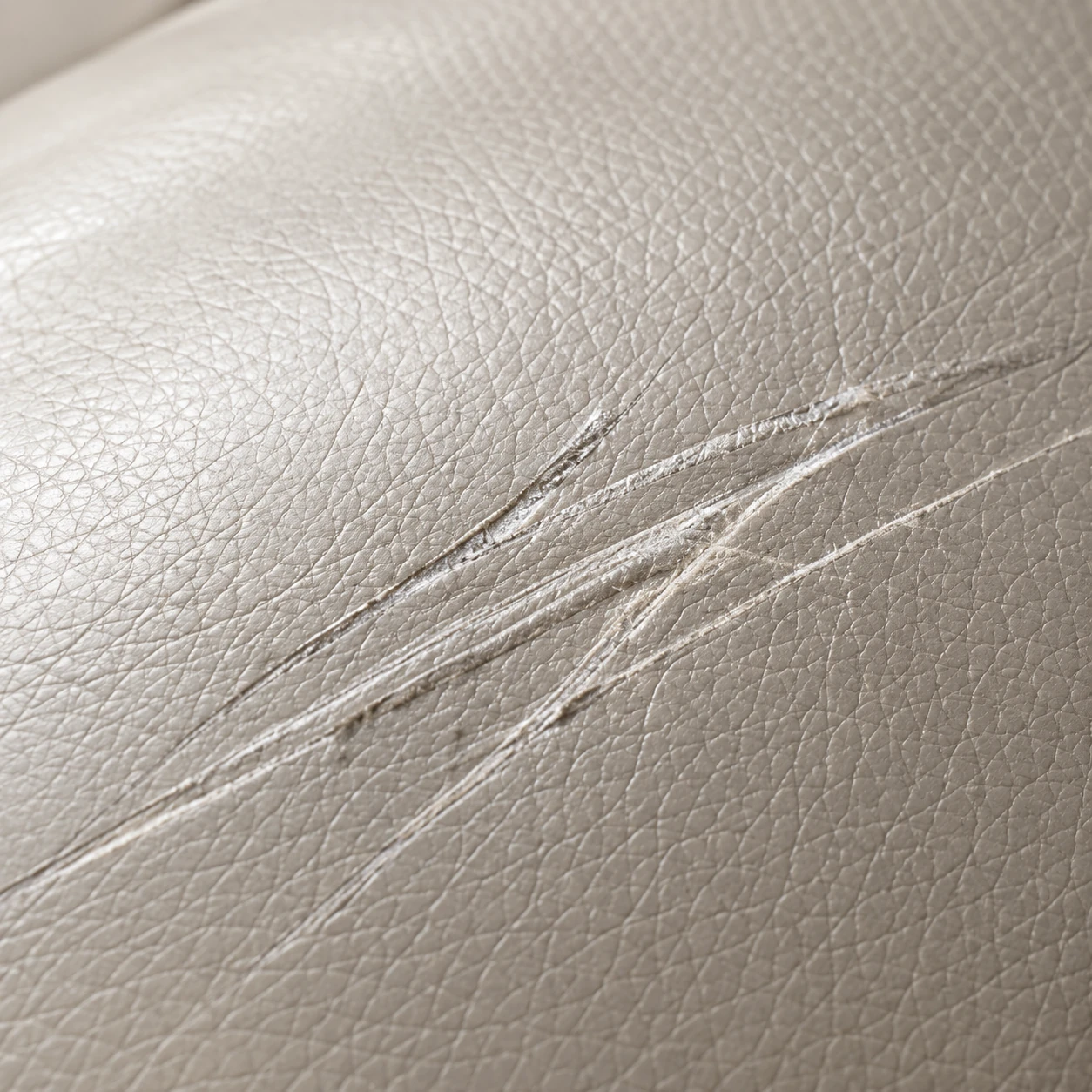
Shallow lines that catch the light but have not gone through the finish.
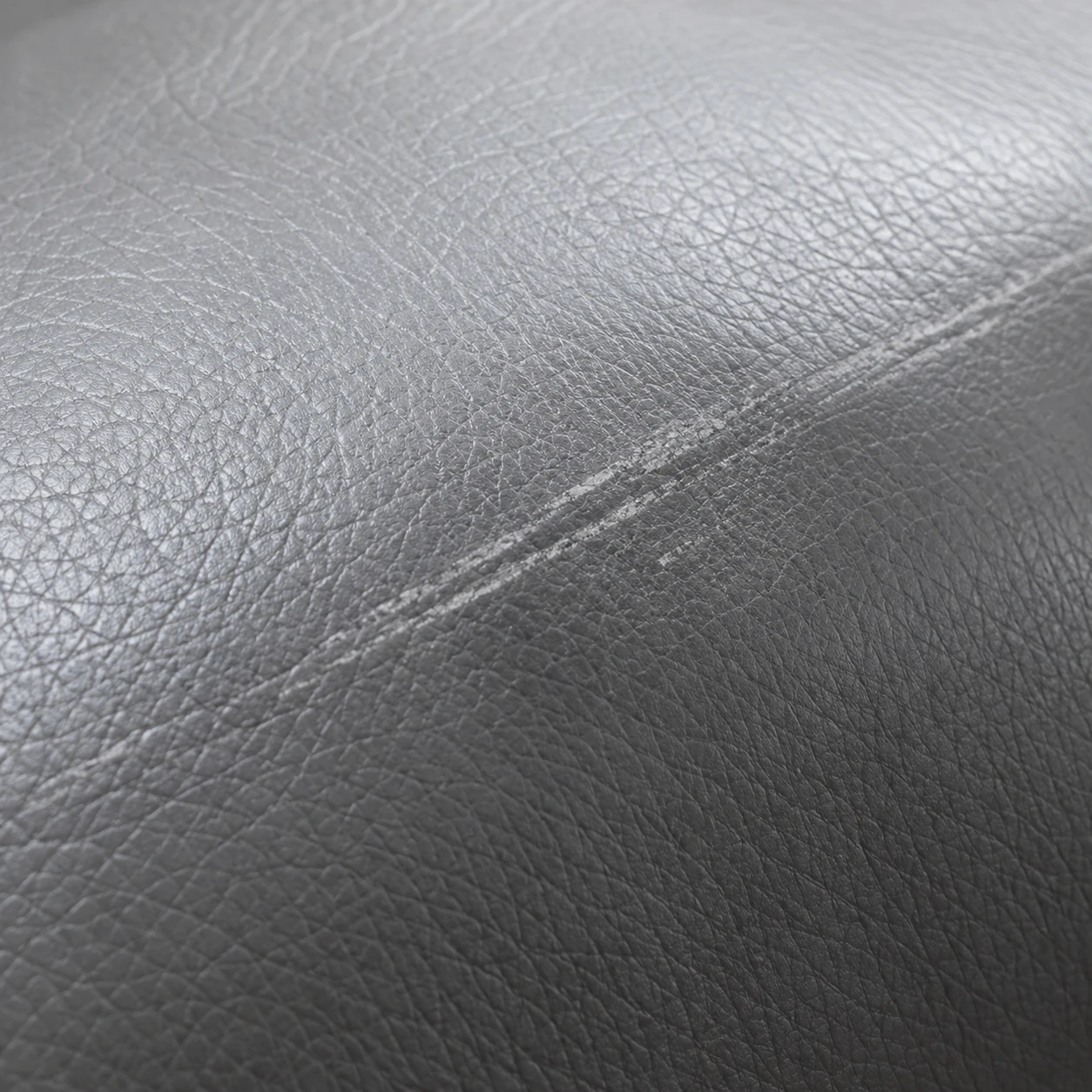
Dulled patches where the top coat has been rubbed but not broken.
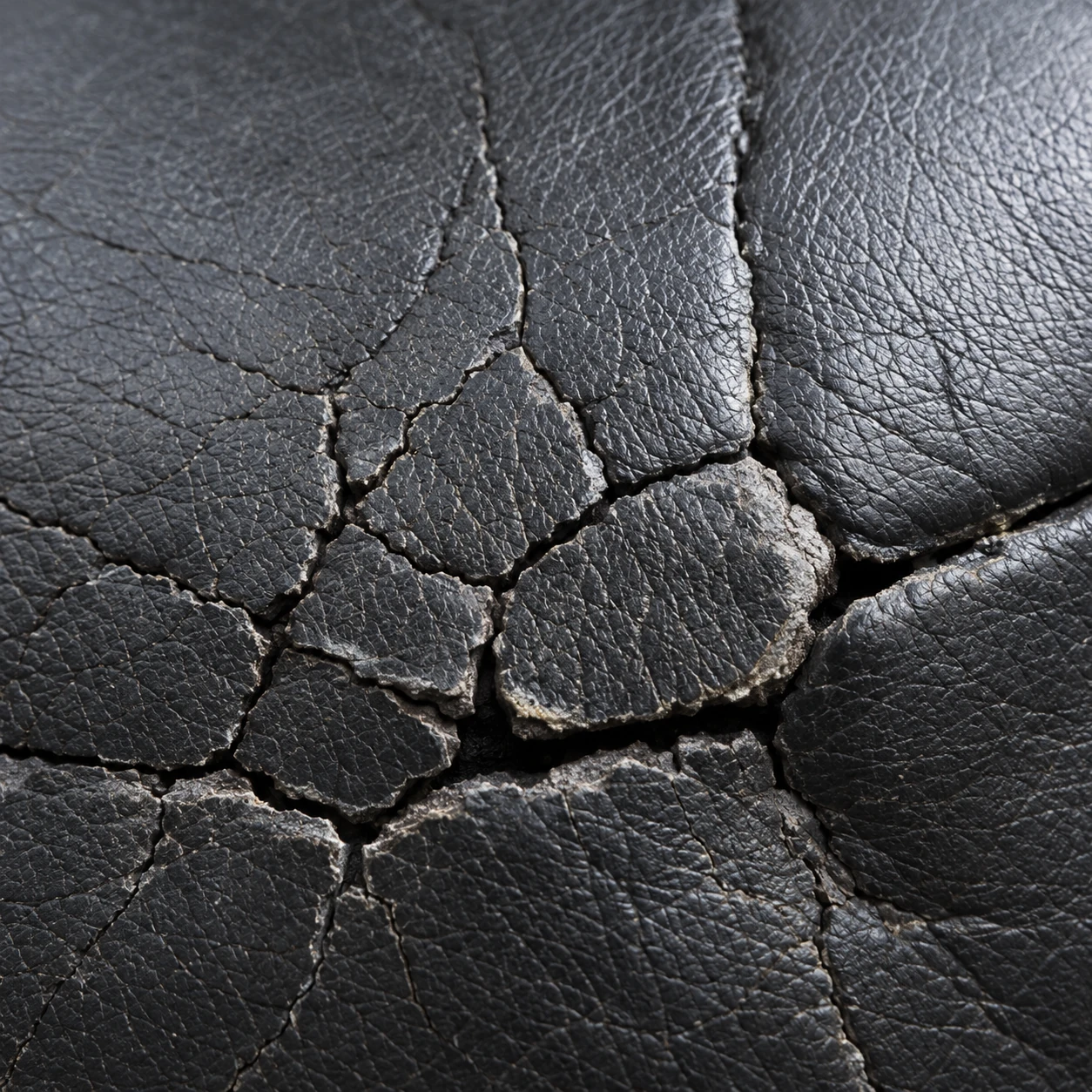
A crack network means the hide underneath has dried. Depth decides the method.
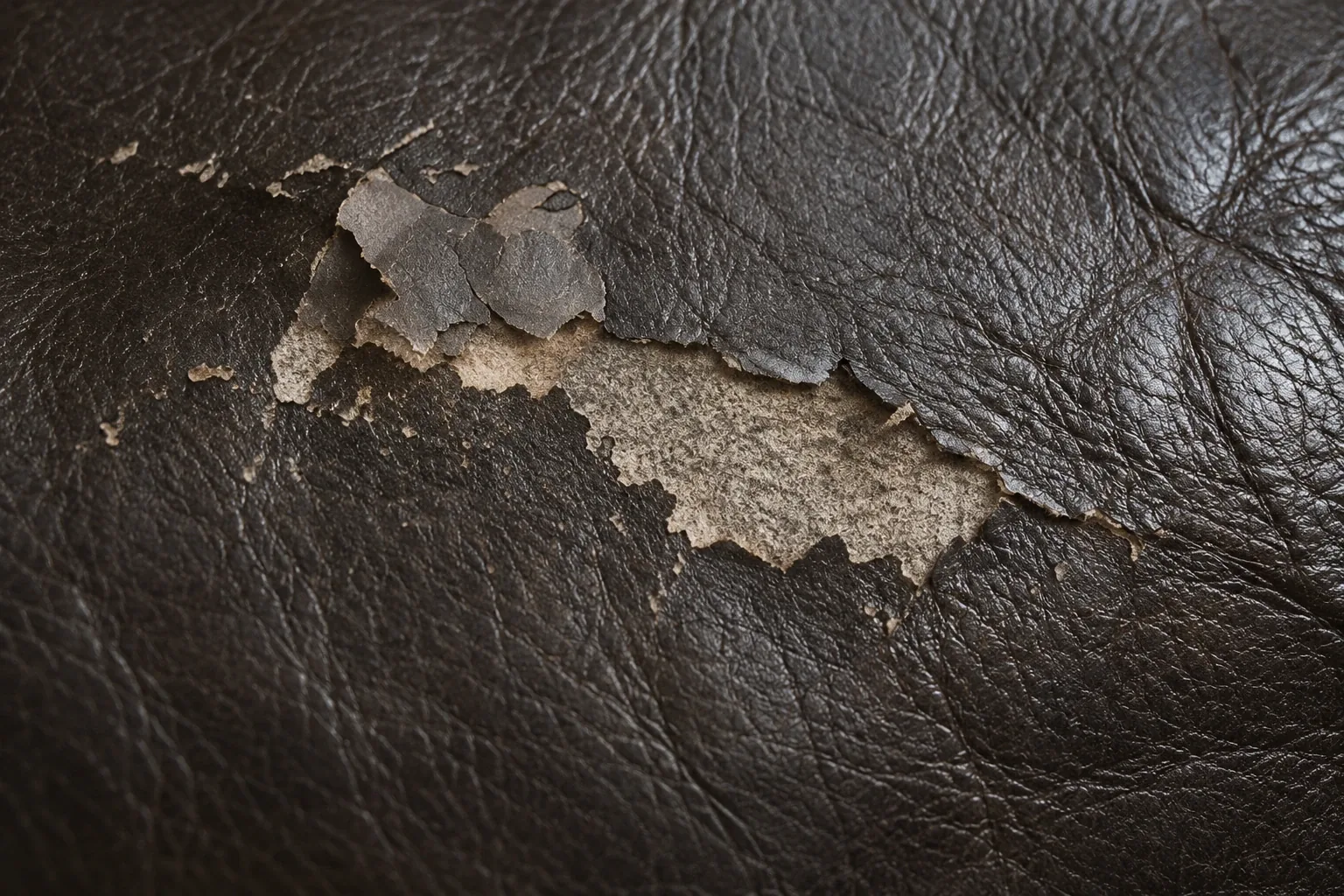
A lifting coat is repairable. Peeling bonded leather usually is not — the backing is failing.
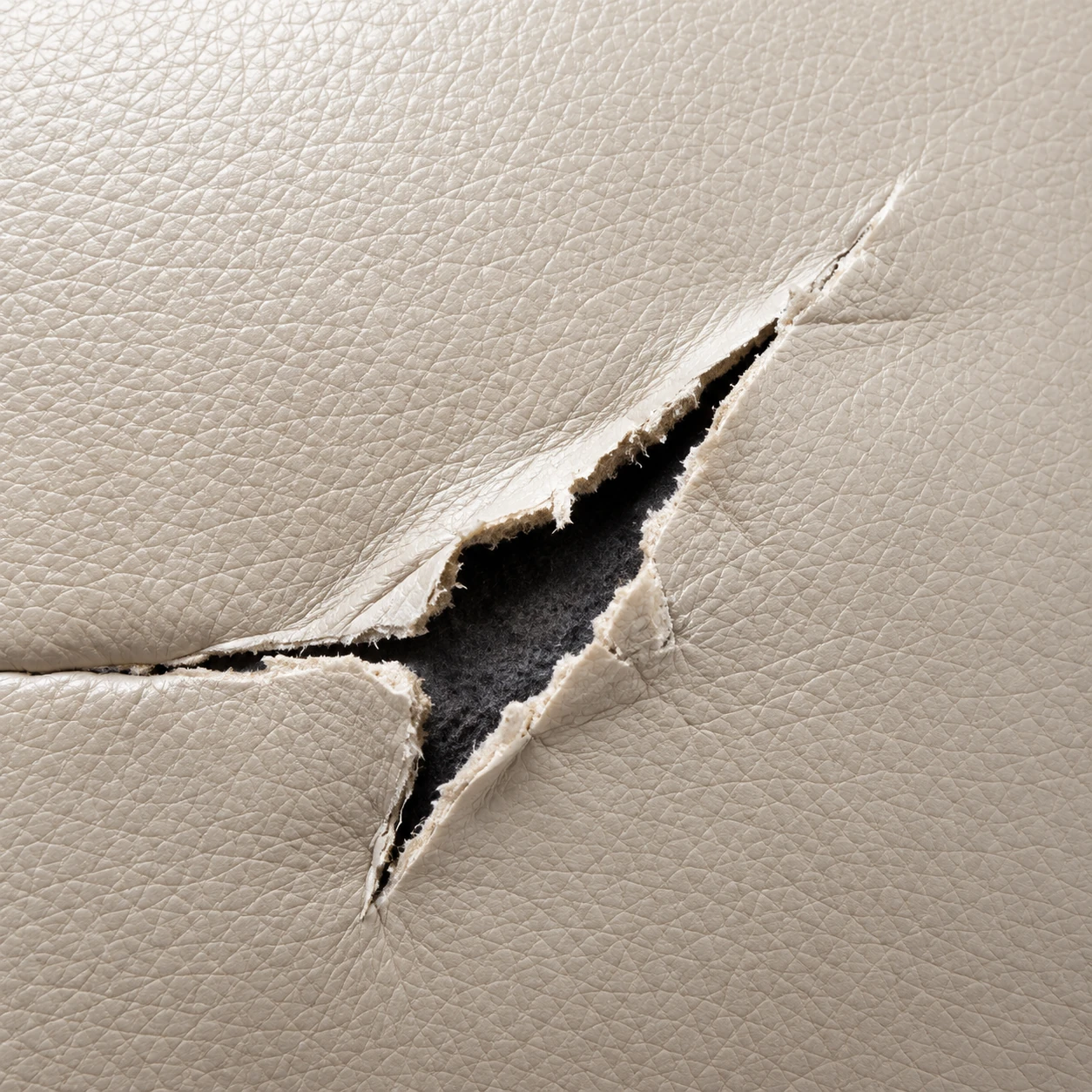
Clean-edged splits are filled and re-grained from behind, then color matched.
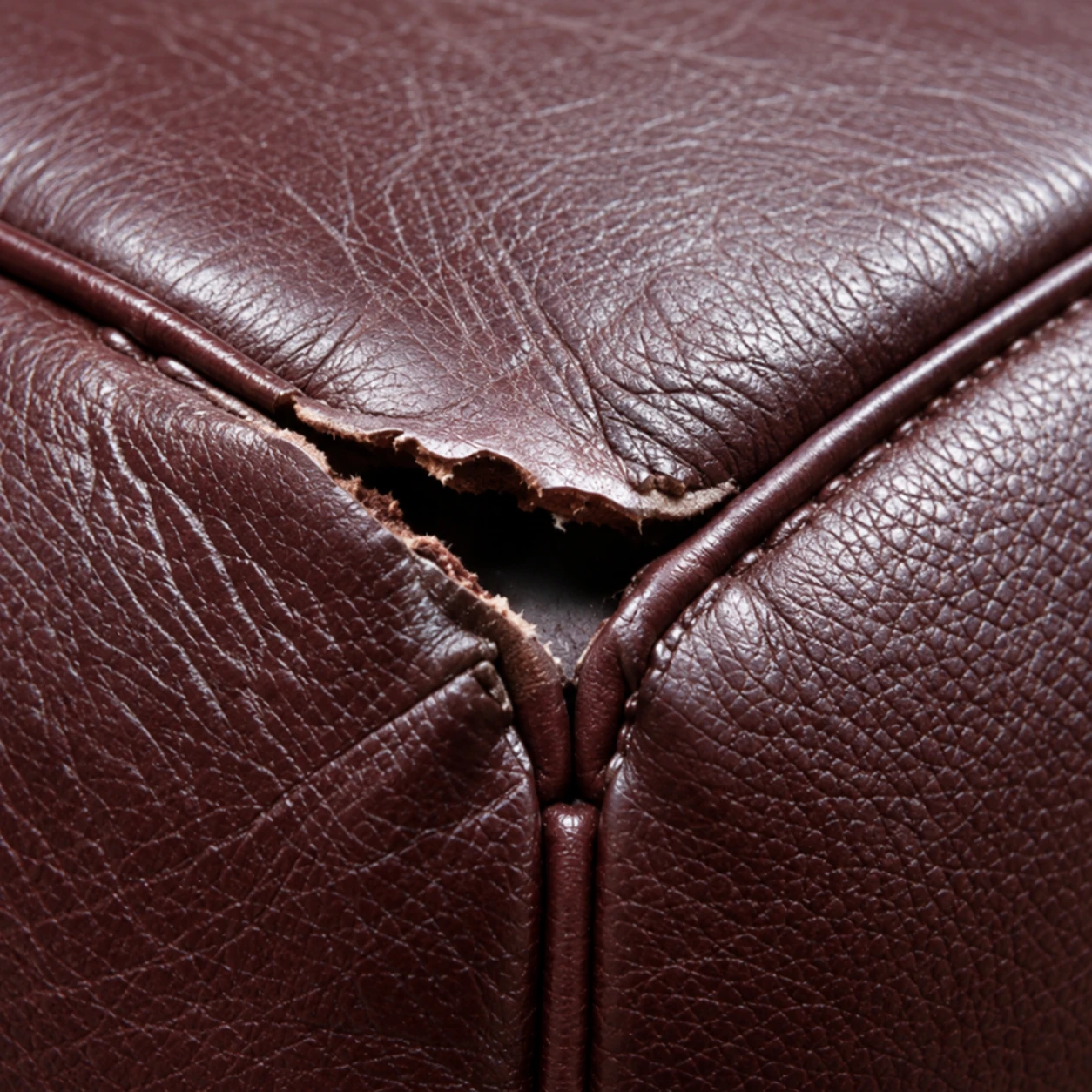
Larger than a tear and often along a stress line. We back it before filling.
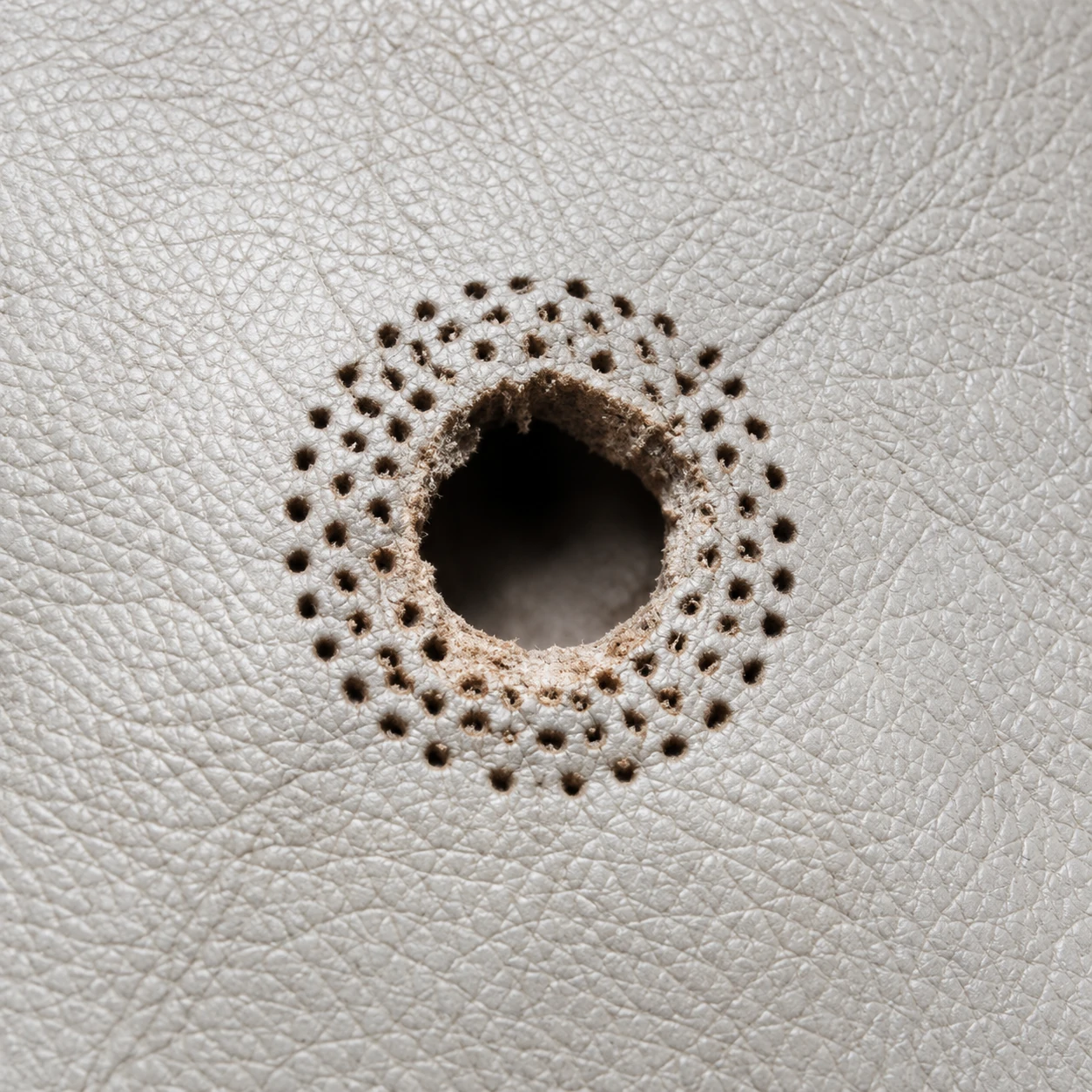
Anything up to roughly a coin is routine. Larger openings move towards panel work.
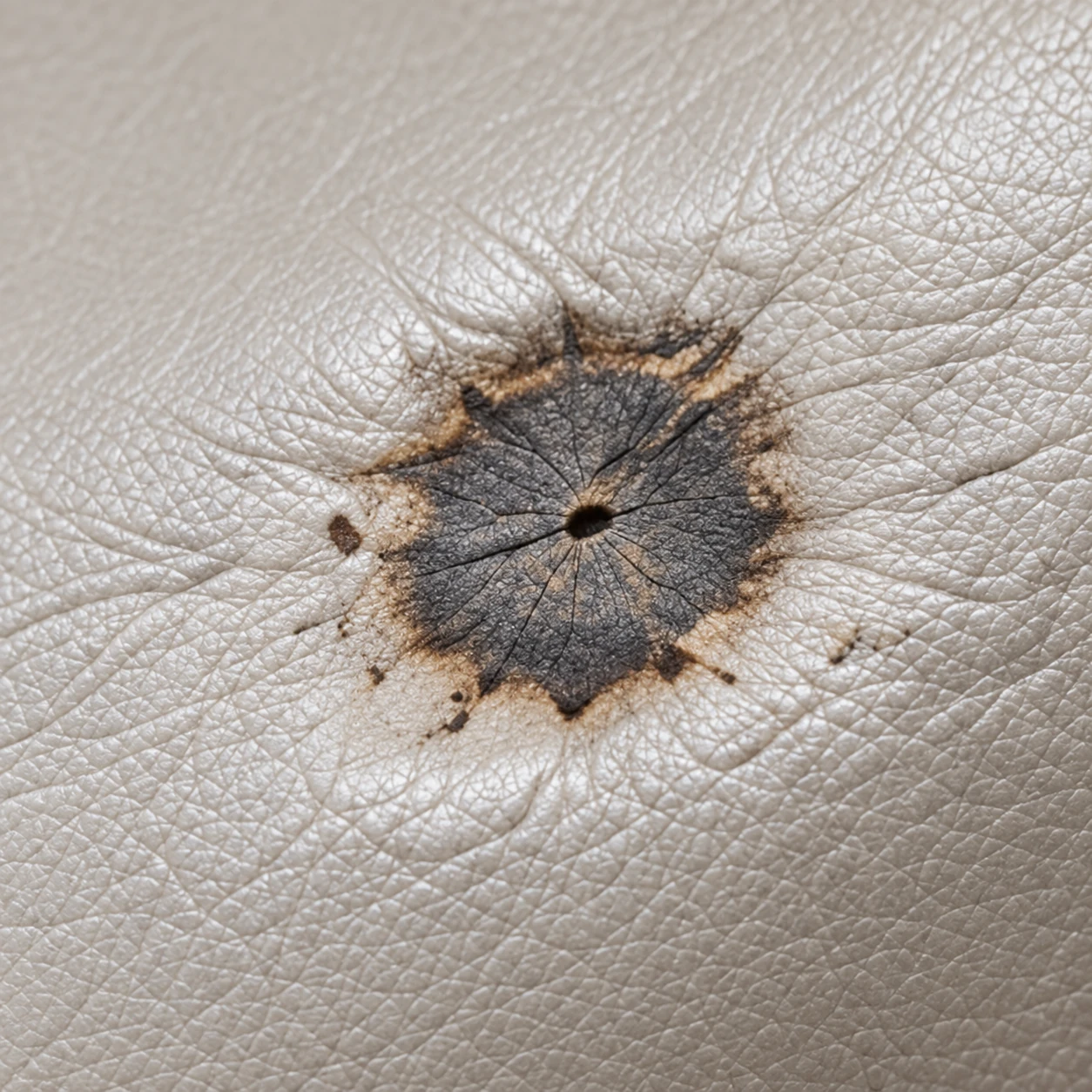
The scorched ring has to be cut back to clean hide before anything is filled.
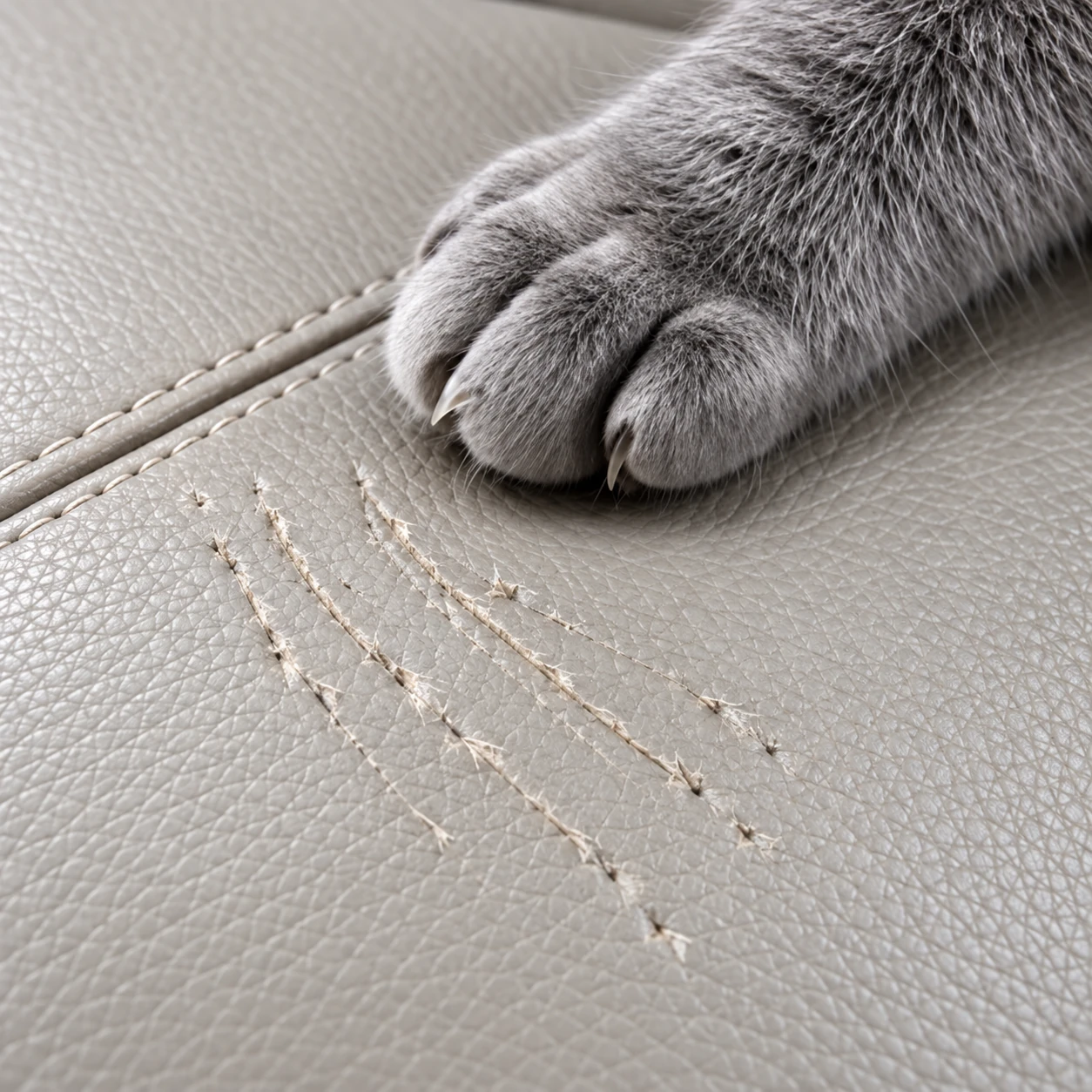
Dense claw damage lifts the grain over a wide area, which changes the approach.
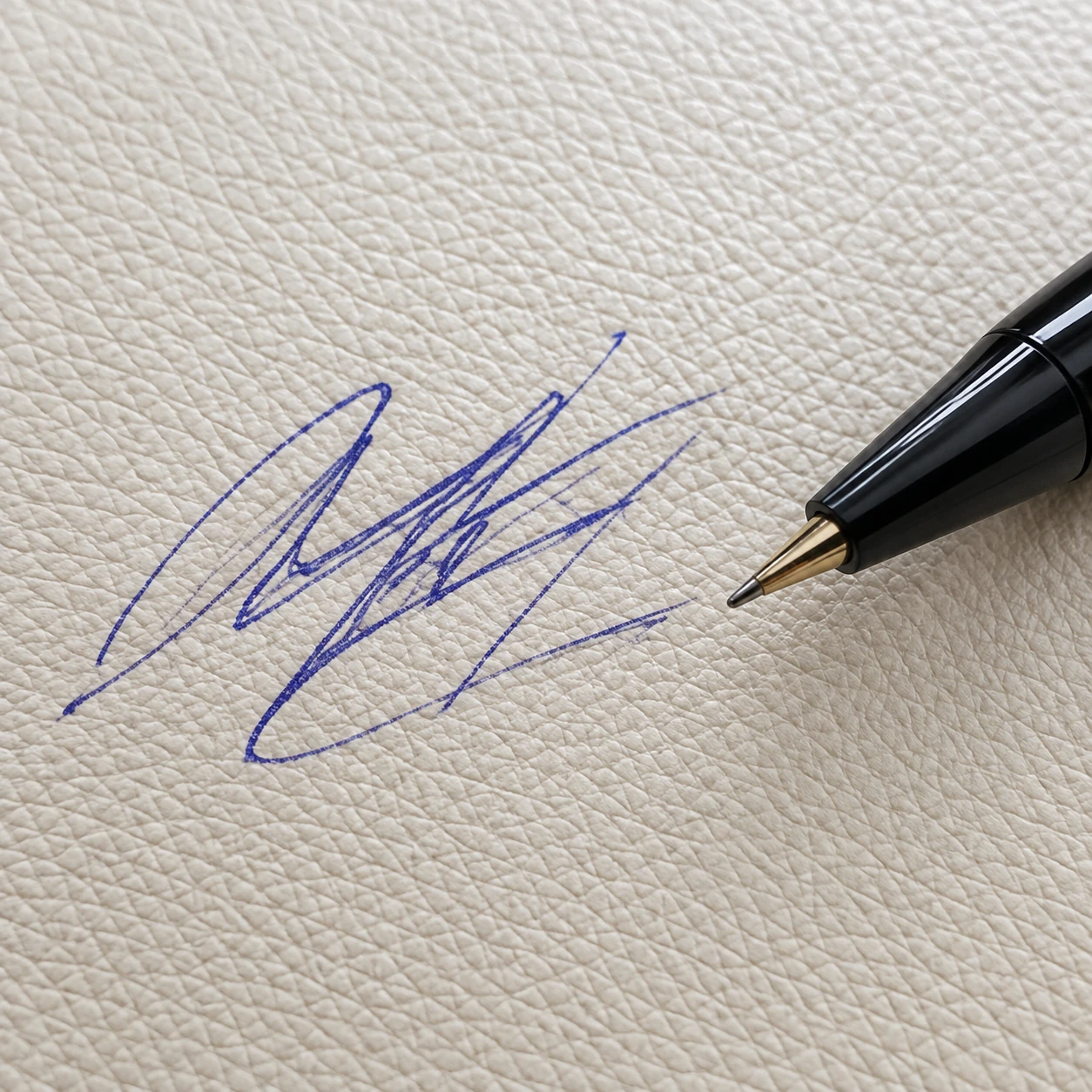
How far the ink has travelled into the hide decides whether it lifts or gets covered.
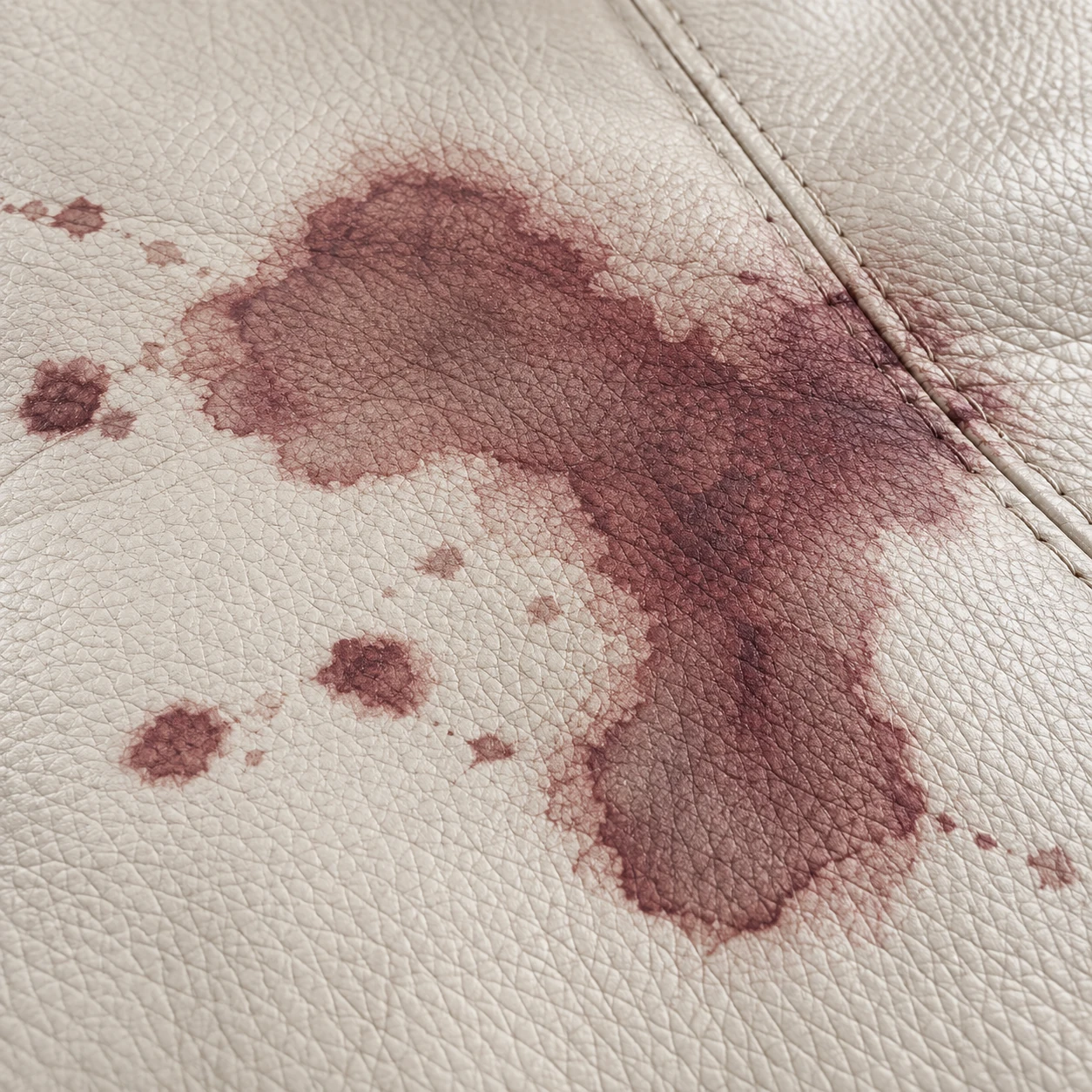
Pigmented leather releases most spills. Aniline absorbs them and is far less forgiving.
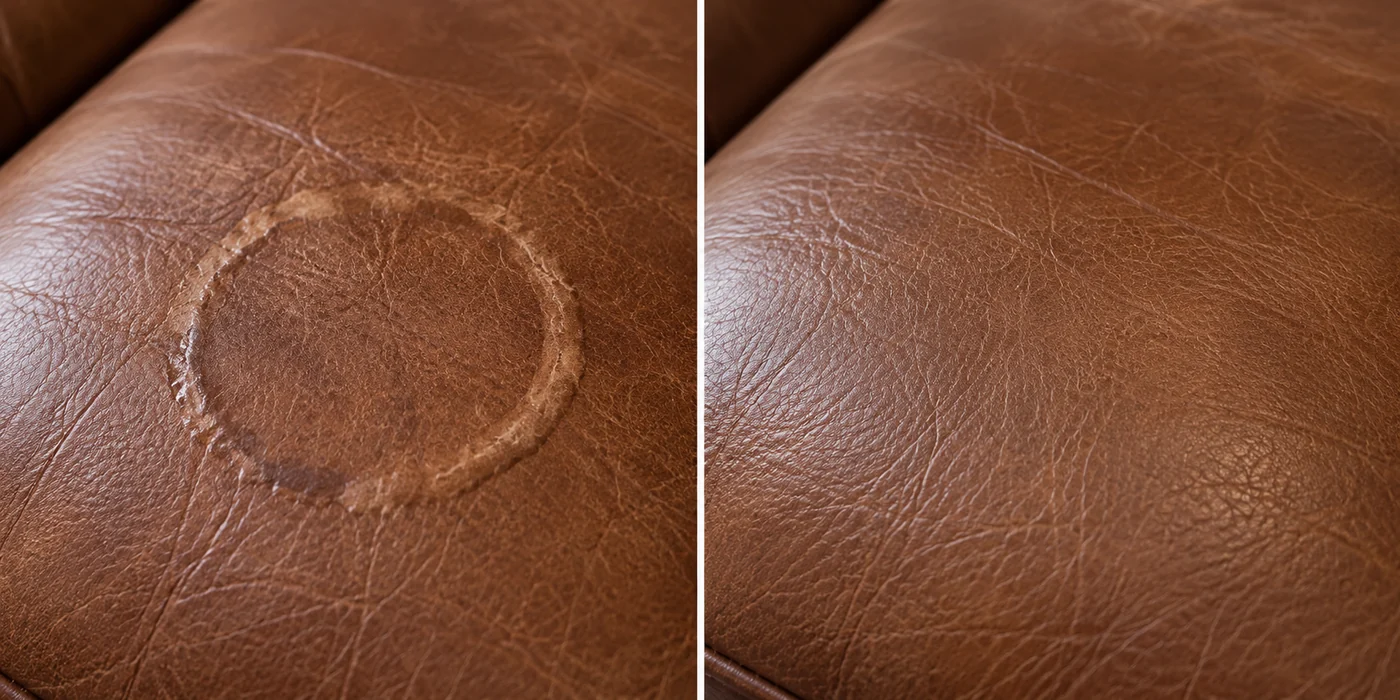
The visible ring is a tide line of lifted finish, not the water itself.
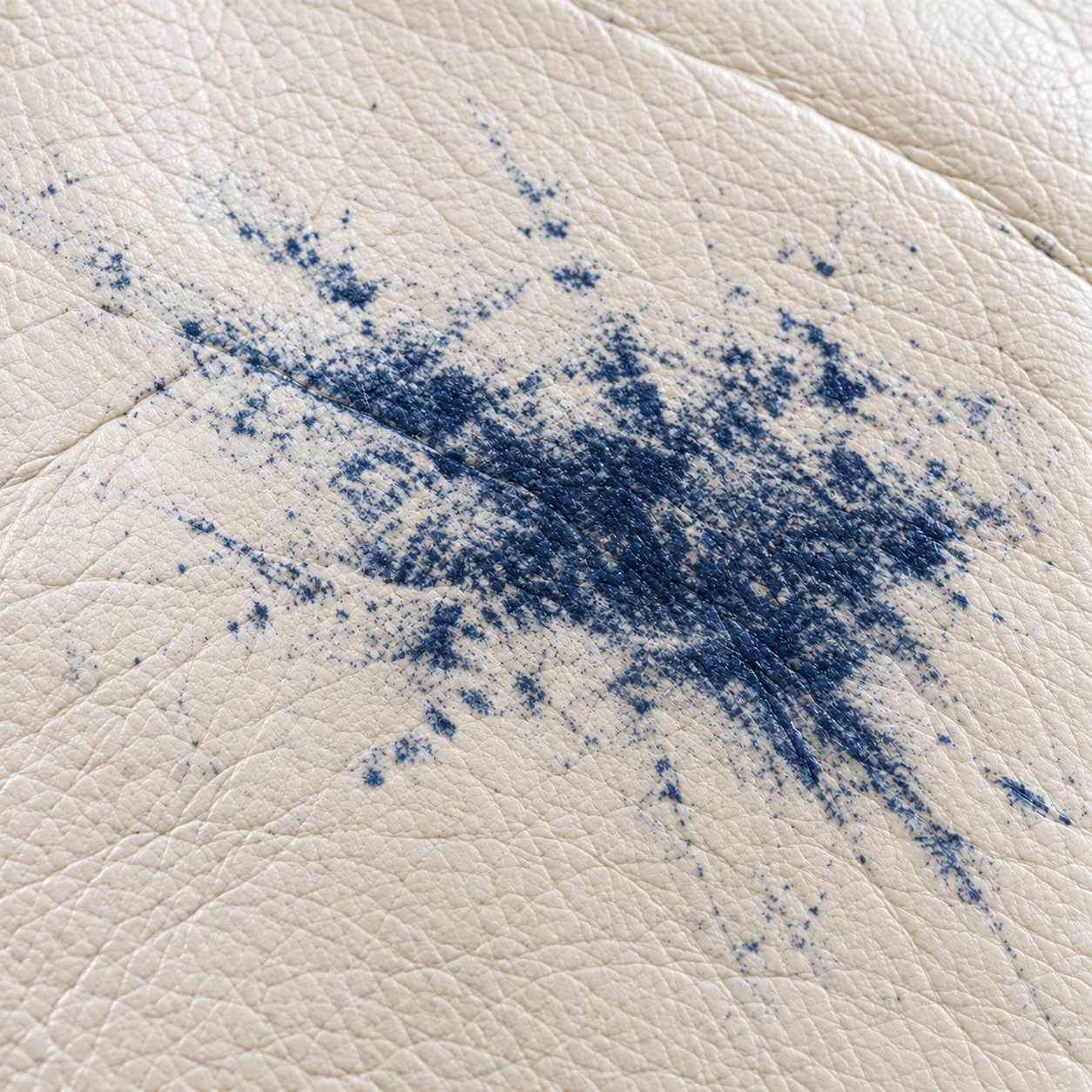
Denim on pale leather. Caught early it lifts; left for months it sets into the finish.
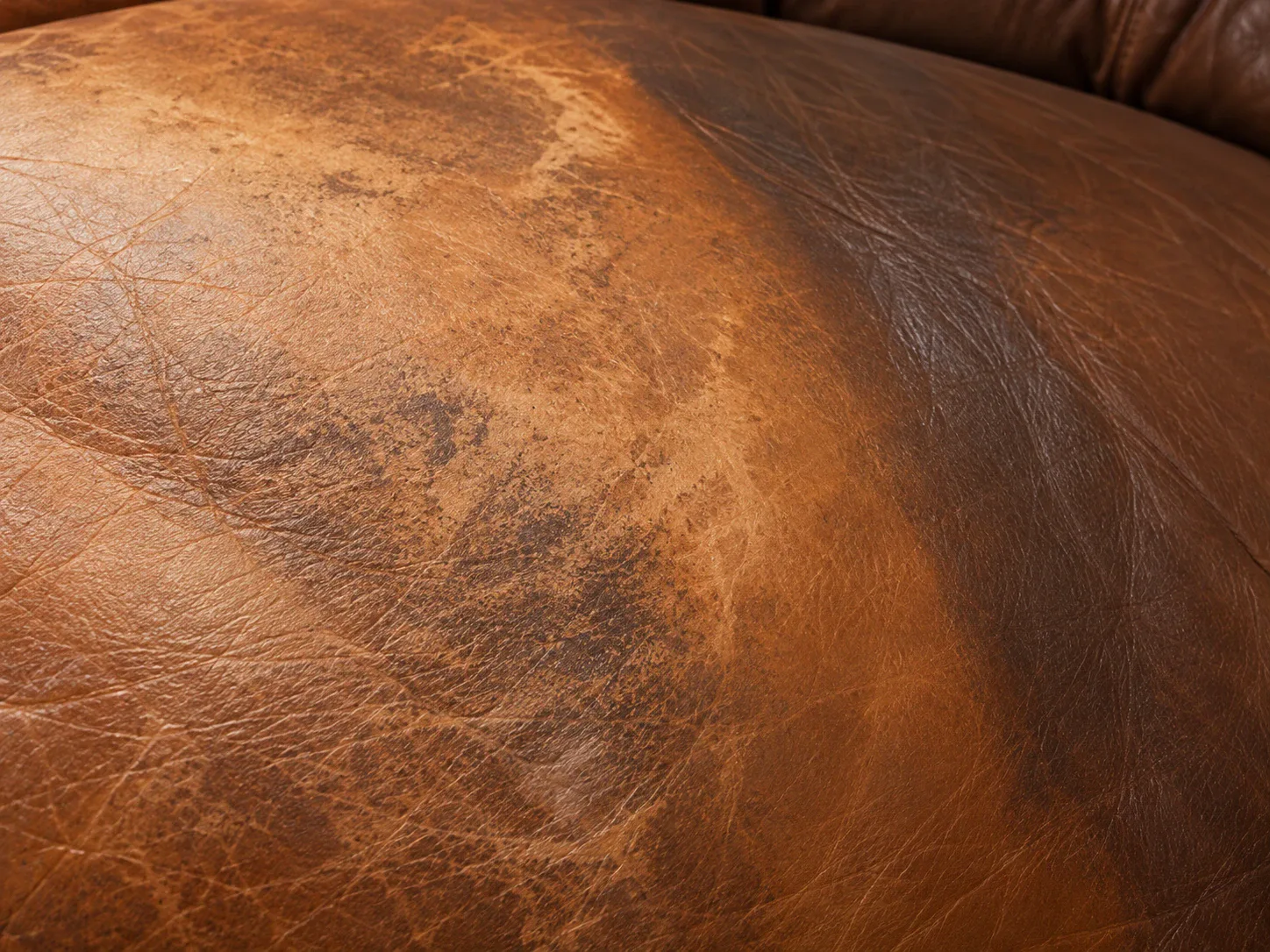
Usually recoloured across the whole panel so the repair has no visible border.
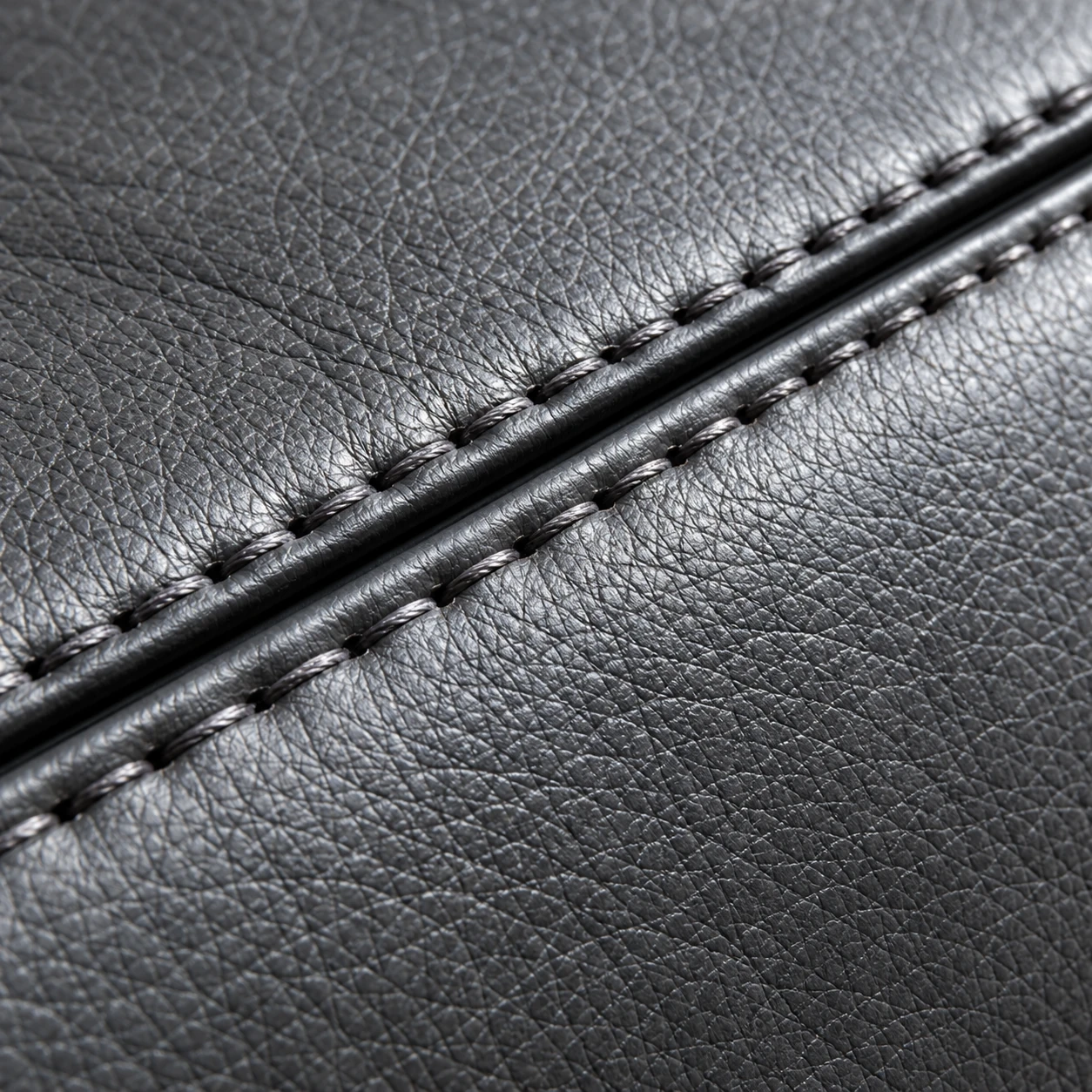
Often the thread has failed rather than the leather, which is the cheaper outcome.
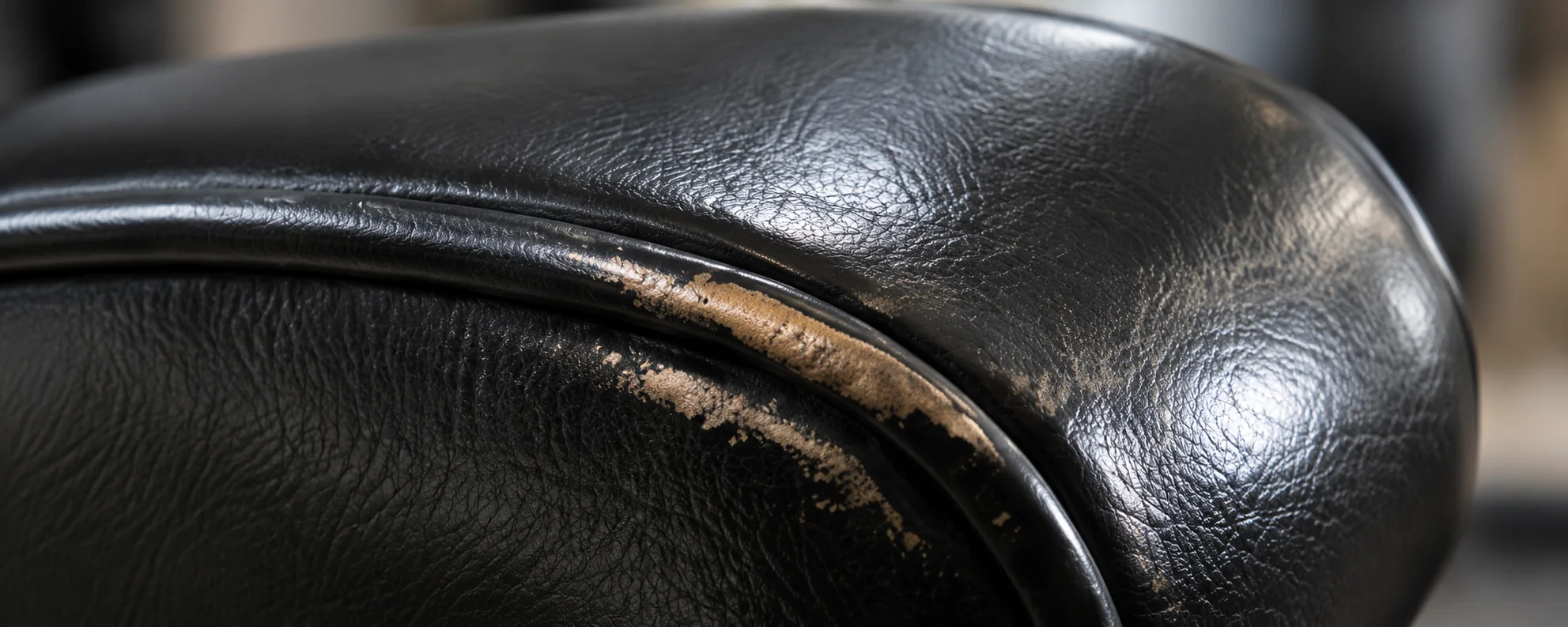
Piping takes the wear first. Replacing the cord is often better than patching it.
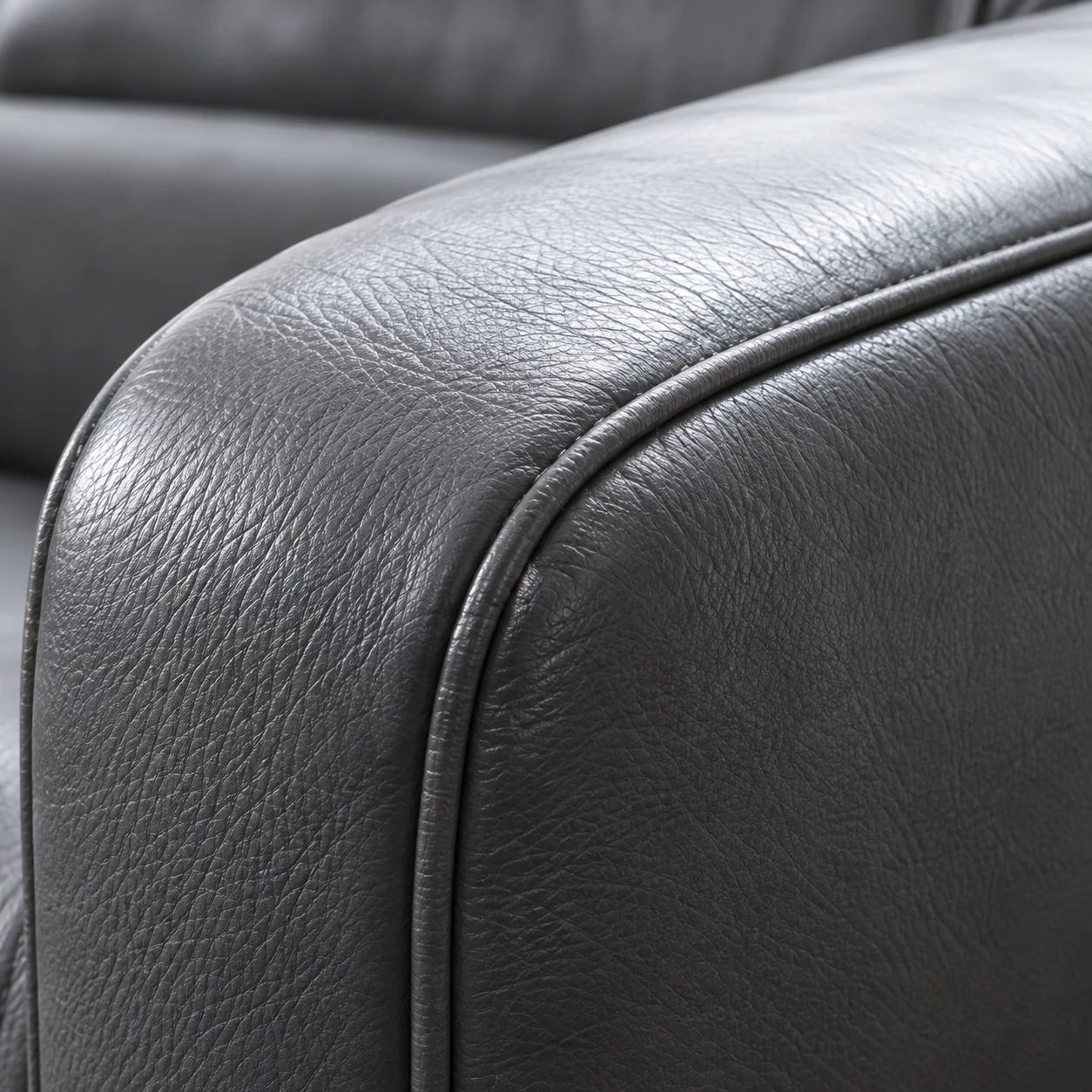
The most-touched panel on the piece, and usually the first to need color work.
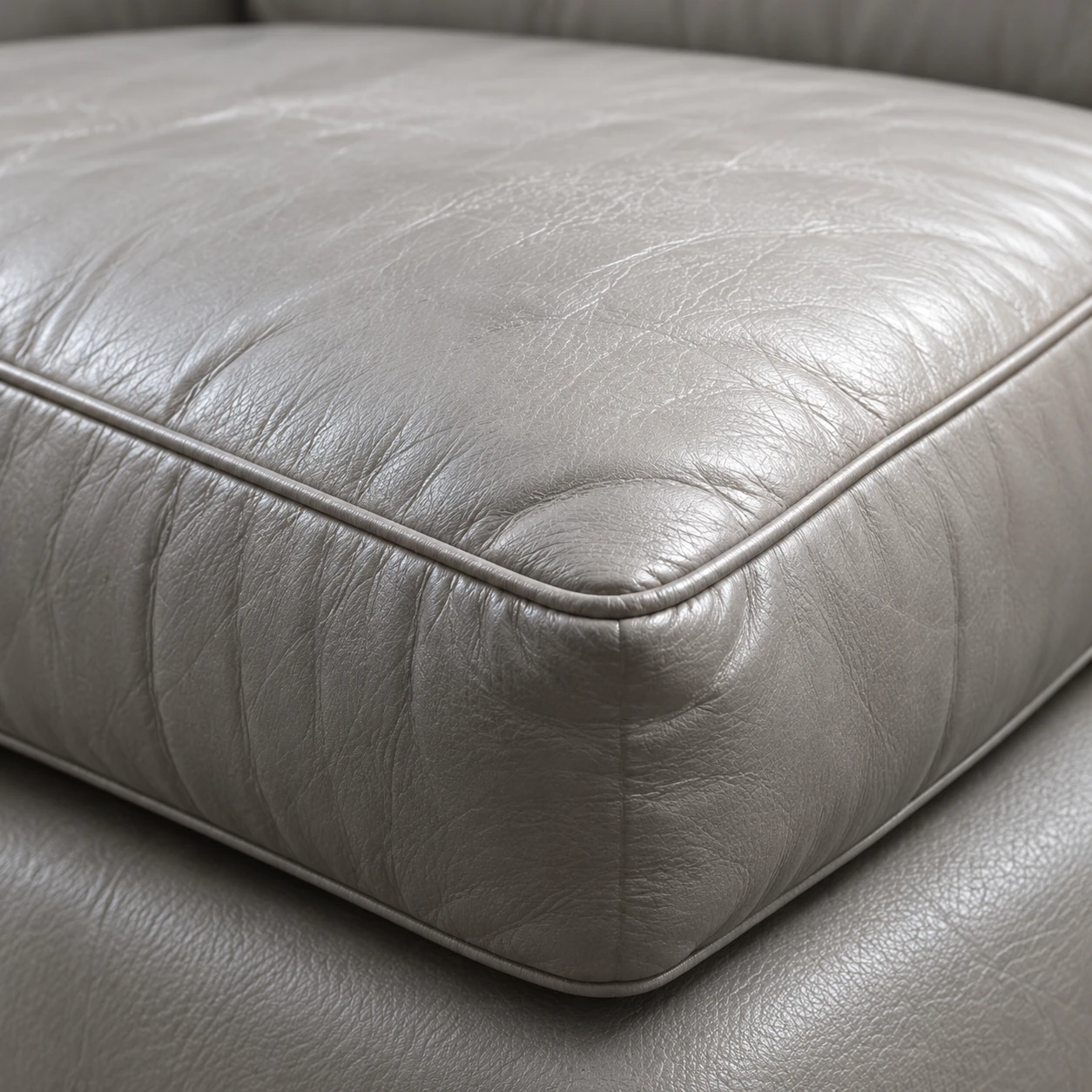
If the cover is sound this is a foam job, and the original leather goes straight back on.
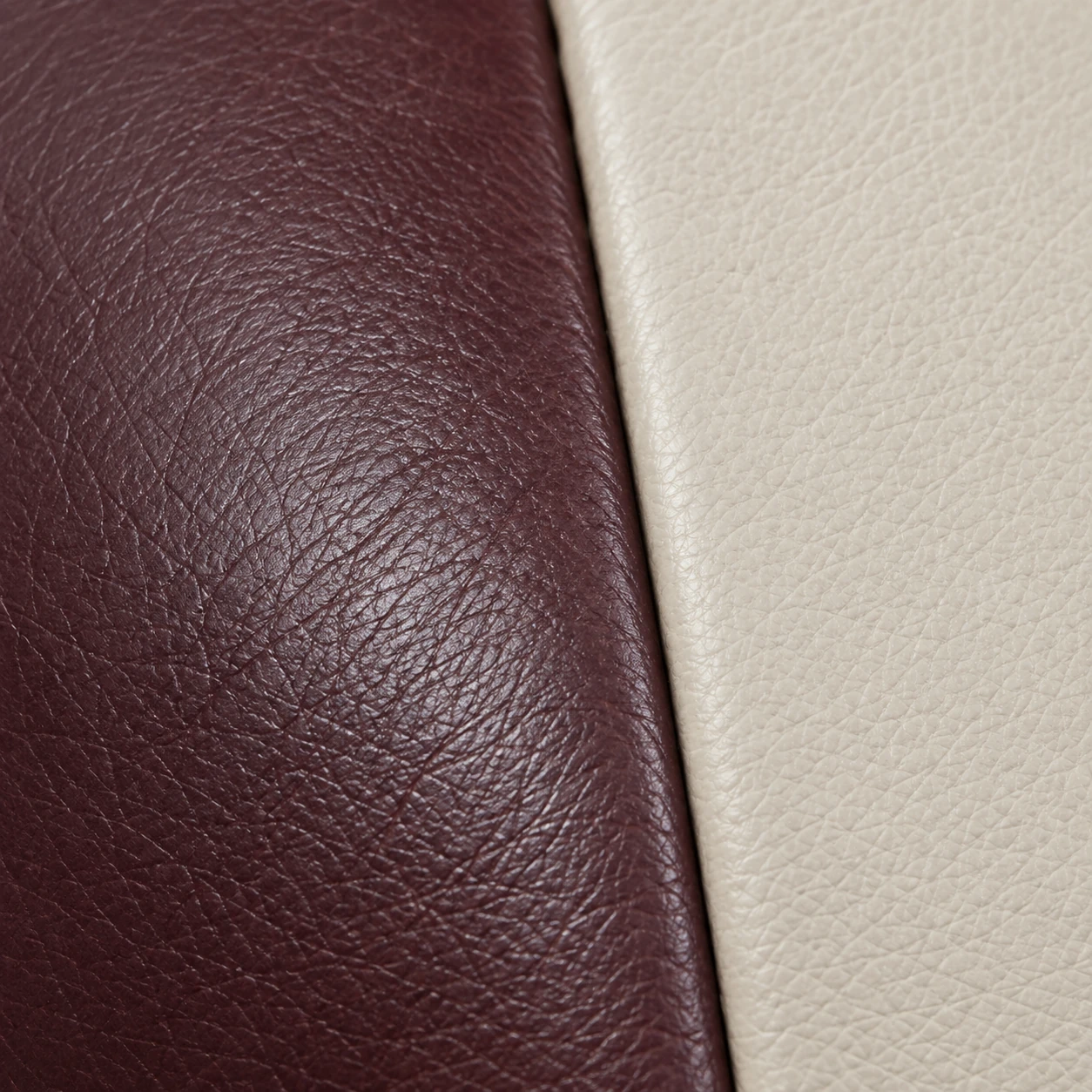
When a section is past filling, we replace that panel and blend it to its neighbours.
Nothing matches that word. Send us a photograph instead and we will tell you what it is.
Identify Your Material
The material decides the method
The same scratch is a twenty-minute leather repair on pigmented leather and a serious problem on aniline. If you are not sure what you own, a photograph usually settles it.
Appointments
What happens on the day
Most leather repair is done in your room. You only need to be there for the start.
01 — BEFORE
Clear the piece and leave it alone
- Remove personal items, throws and cushions that are not part of the job.
- Give clear access to the damaged area from at least one side.
- Keep children and pets out of the work area.
- Do not apply cleaners, oils, conditioners or DIY repair kits beforehand.
- Tell the technician about any previous repair or treatment on that panel.
02 — DURING
Confirm, protect, repair, match
- The technician confirms the material and the true extent of the damage.
- The surrounding area and your floor are masked and protected.
- The repair, color matching and finishing are carried out in sequence.
- Most smaller repairs take roughly 2–3.5 hours; larger projects run longer.
03 — AFTER
Give the finish a day
- Allow approximately 24 hours for the repaired finish to cure.
- Do not sit on, cover or clean the treated area while it is curing.
- Follow the aftercare instructions you are given for that specific repair.
- Judge the color once it is hard — sheen reads differently wet than cured.
On-site or Workshop
When the piece has to leave the room
Stays in your home
Color work, scratches, scuffs, cracks, burns, holes, seam repairs, armrest recolouring and most panel-level leather repair are done in place. Fixed banquettes and booths are reupholstered where they stand, usually overnight.
- No packing, no lifting, no waiting for a return date
- You approve the color against the piece in its own light
- You only need to be present at the start
Comes to the workshop
Full reupholstery, foam and suspension rebuilds, frame repairs and anything needing the piece stripped go to the workshop, where we collect and return it.
- We handle pickup and delivery — you do not arrange transport
- Someone must be present at both collection and return
- Empty the piece completely before we arrive
- Timing depends on material lead times, so it is quoted per job rather than promised as a standard turnaround
Pricing and Payment
What it costs and when you pay
Are estimates free?
Yes. Sending photographs for a quote costs nothing and carries no obligation.
Can you confirm a price from photographs?
For most repairs, yes — provided the photographs show the whole piece and every damaged area. The quoted price is the price.
What could change the original estimate?
Damage that was not visible in the photographs, a different material than expected, or a previous repair underneath the area we are working on. If anything changes, you are told before work continues, not after.
Is a deposit required?
For reupholstery and special-order material, yes — material is bought per job. The amount and schedule are stated in your written estimate.
How payment works
Payment is due after completion unless a deposit or different schedule is stated in your written estimate. We accept cash, check payable to Leather Restore PRO, and business Zelle. Credit cards are not currently accepted.
The figure in your written estimate is the figure you pay. We do not price match against other quotes — the number we give is the number we stand behind.
Warranty
What the workmanship warranty covers
The warranty is on the leather repair we did, in the area we did it. It is not a condition guarantee for the rest of the piece.
Covered
- Adhesion failure in the repaired area — filler or finish lifting
- Color instability on the repaired area under normal indoor use
- Stitching we replaced coming undone
- Panels or cushions we fitted failing at our seams or our joins
Coverage begins on the day the work is completed. The period that applies to your job is stated in your written estimate.
Not covered
- New scratches, tears, stains or pet damage after the repair
- Damage caused by harsh cleaning products or unapproved conditioners
- Normal wear outside the repaired area
- Pre-existing structural or material deterioration we did not treat
- Failure of untreated bonded or faux leather surrounding a repair
- Improper use, or not following the curing instructions you were given
To make a claim, send photographs of the affected area in daylight, a photograph of the whole piece, and the date of the original leather repair. We will arrange a look before proposing anything. Full terms are on the warranty policy page.
Leather Care and Aftercare
Keeping it that way
Most of the damage we repair was avoidable. Read these before the next leather repair becomes necessary.
Commercial Customer Support
If the furniture belongs to a business
Operators order the room, not the chair. Commercial leather repair raises different support questions, and different paperwork.
Insurance and access
Certificates of insurance are issued per venue or building before we arrive, naming the parties your management company requires.
Working around service
Fixed banquettes and booths are reupholstered in place overnight, so the room opens as normal the next day.
Volume and upkeep
Whole rooms and repeat runs are quoted as one project. Monthly maintenance keeps a venue from ever needing the big one.
Service Area
Where the van goes
Mobile leather repair across New York City, Long Island and Northern New Jersey.
Not sure whether we serve your address? Send your ZIP code and photographs and we will confirm before anything is scheduled.
Frequently Asked Questions
The twenty we are asked most
Can leather damage be repaired without replacing the entire panel?
In most cases yes. Tears, holes, burns and scratches are filled, re-grained and color matched in place. Panel replacement is reserved for material that has failed across the whole section — see panel replacement.
Will the repaired area match the original color?
The match is made against the panels beside it, in your room's light, not against the color the piece was when new. Shade and sheen both move as the finish cures, so the final check happens once it is hard.
Can you repair the furniture at my home?
Most repairs are done on-site. Full reupholstery, foam rebuilds and frame work go to the workshop, and we collect and return the piece.
How long does leather repair take?
Most smaller repairs take roughly 2–3.5 hours in the room. Larger projects run longer and are quoted with their own timing.
When can I use the furniture again?
Allow approximately 24 hours for the repaired finish to cure. During that time do not sit on, cover or clean the treated area.
Can peeling bonded leather be repaired?
Usually not durably. Bonded leather is ground hide bonded to a backing, and once the surface lifts it keeps lifting. Reupholstery is the honest answer — see bonded leather.
Can faux leather and vinyl be repaired?
Yes. Vinyl in particular takes heat-welded repairs well. Faux leather depends on whether the polymer skin is still bonded to its fabric backing — see faux leather and vinyl.
Can aniline leather be recoloured?
It can, but it changes the material. Aniline has no surface film, and adding pigment to restore color trades away some of the transparency that made it aniline — see aniline leather.
Can you remove ink and permanent marker?
Often, depending on how long it has been there and how far it has travelled into the hide. Fresh ink on pigmented leather lifts well; old ink on aniline usually has to be covered rather than removed — see ink removal.
Can pet scratches be made invisible?
Individual claw marks, usually yes. Dense scratching that has lifted the grain across a whole panel is recoloured as a panel, which reads as even rather than as a patch — see pet scratch repair.
Can you repair open seams and damaged stitching?
Yes, and it is often cheaper than expected because the thread has failed rather than the leather — see seam repair.
When is panel replacement recommended?
When the material in that section is beyond filling — widespread cracking through the hide, or an opening too large to back. The new panel is matched to its neighbours rather than to the original color.
Is reupholstery better than restoration?
Only when the material itself has failed. Restoration keeps the original hide and costs less; reupholstery replaces it and is the right call for extensive peeling, structural wear or a deliberate change of color or material.
Do you refill sagging cushions?
Yes. If the cover is still sound the original leather goes straight back on over new foam — see cushion replacement.
Do you work with commercial furniture?
Yes — restaurants, hotels, offices, clubs and property managers. Fixed seating is reupholstered in place overnight so the room opens as normal — see commercial services.
Do you provide pickup and delivery?
Yes, for work that has to happen in the workshop. Someone needs to be present at both collection and return — see pickup and delivery.
Are estimates free?
Yes. Send 3–6 photographs and a short description through the estimate form — there is no charge and no obligation.
What payment methods do you accept?
Cash, check payable to Leather Restore PRO, and business Zelle. Credit cards are not currently accepted. Payment is due after completion unless your written estimate says otherwise.
Is the work covered by a warranty?
Yes — a workmanship warranty on the area we repaired, covering adhesion and color stability under normal use. The period that applies to your job is stated in your written estimate.
Which locations do you serve?
All five boroughs, Long Island including Nassau and Suffolk, and Northern New Jersey including Hudson, Bergen and Essex counties — see all locations.
No question matches that. Ask us directly instead.
Still Need Help?
Send photographs and we will tell you what it needs
A short description and a few clear photographs are enough for us to recommend the right leather repair, restoration or reupholstery option — and to tell you if it is not worth doing.
Hours and response
Commercial and overnight work is scheduled outside these hours by arrangement.